


To most people, music is seen as something that is used for pleasure, merely put into the background during a party or while going on a walk. However, for others, it’s something that has changed their lives and transformed the way that they interact with one another.
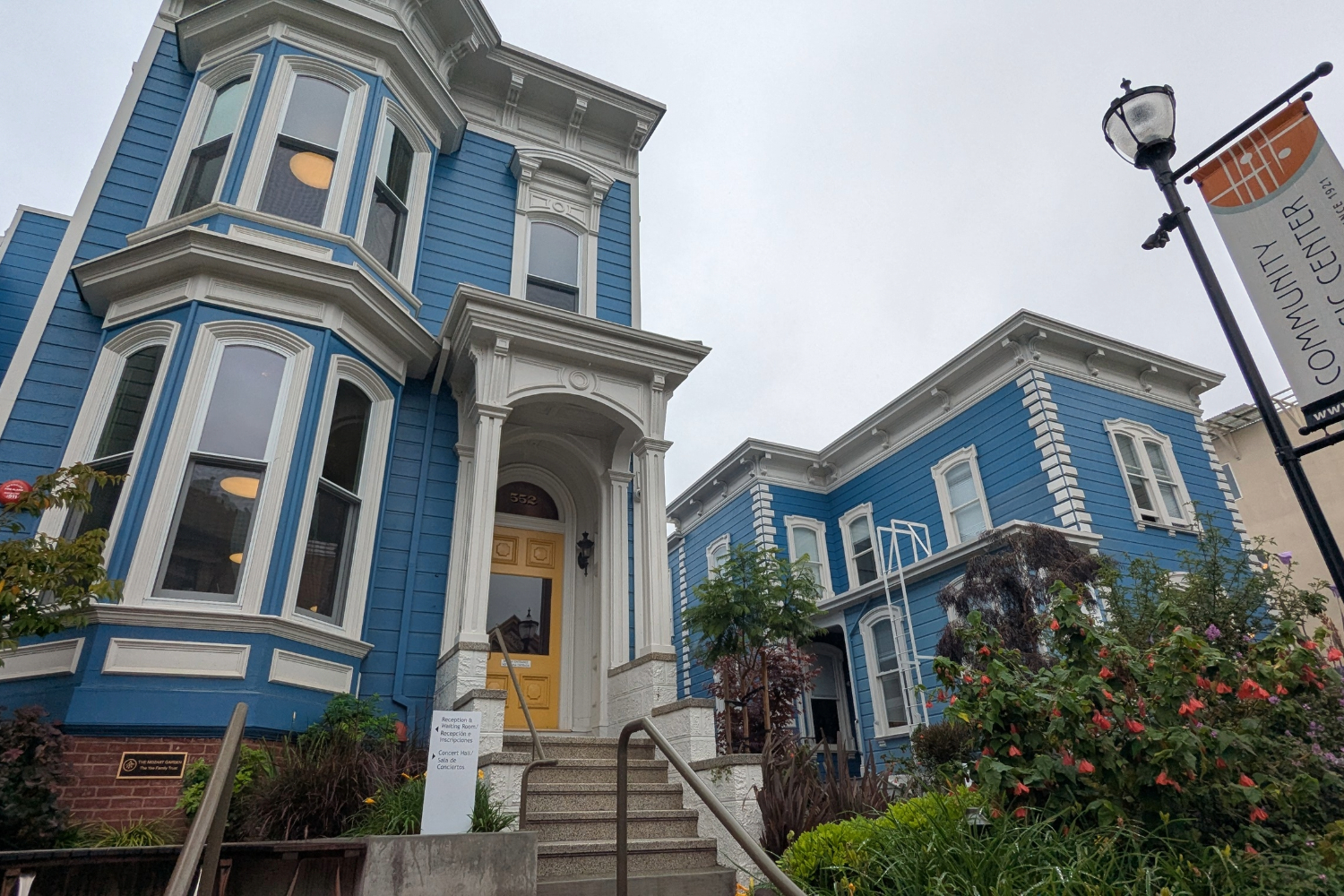
On 544 Capp St. in San Francisco, the Community Music Center (CMC) strives daily to positively impact its students through its music programs and education, enhancing their lives through the power of togetherness and music.
The non-profit has a very rich history, starting out in 1912, when Gertrude Field became the director of the music department of the Dolores Street Girls’ Club settlement house in San Francisco. Nine years later, Field decided to start her own music school, and the Community Music School was born.
The music school has since evolved into a highly impactful and influential music facility over the years, eventually changing its name to the Community Music Center in 1953. It has created numerous programs and communities in San Francisco, as well as its other branch in Richmond, California, which opened in 1983.
Although CMC has evolved and grown into the non-profit it is today, it has always had one mission: to provide accessibility and opportunity to any student, regardless of their financial situation or background.
“I love that it provides music education through the lens of financial accessibility. It provides comprehensive music education opportunities, meaning you can get training on an instrument, but you can also play music with other people,” said Sylvia Sherman, the current program director at CMC.
As the music center has grown over the years, its programs and classes have expanded in tandem, adding to its catalog classes that teach not only a specific instrument but also various styles of music.
“We have our ever-diversifying Latin music program, which includes Cuban music, Spanish music, Afro-Latino music, Afro-Peruvian, Son Jarocho music, mariachi from Mexico, Latin jazz, Brazilian music,” Sherman said.
CMC also offers music classes in various areas, including its Black Music Program, which has classes in singing, gospel, soul music, R&B, jazz, blues, and many other genres of music.
“We have a diverse range of programming and faculty that enrich our community’s understanding of diverse musical forms,” Sherman said.
Because of CMC’s wide range of diverse opportunities in balance with its financial support, students are able to take classes with no stress about whether their lifestyles will overtake their passion. An example of this is with the current CMC Mariachi Program assistant, Daphne Gonzalez Cambambia, who has taken classes with CMC since the fifth grade.
“It’s amazing that even students who come from low-income families or who come from ethnic backgrounds can also have access to free programs where they can take violin, or they can take singing, or anything,” Cambambia said.
Beyond the direct positive impact music of CMC on students, music overall is a powerful tool for a person’s well-being.
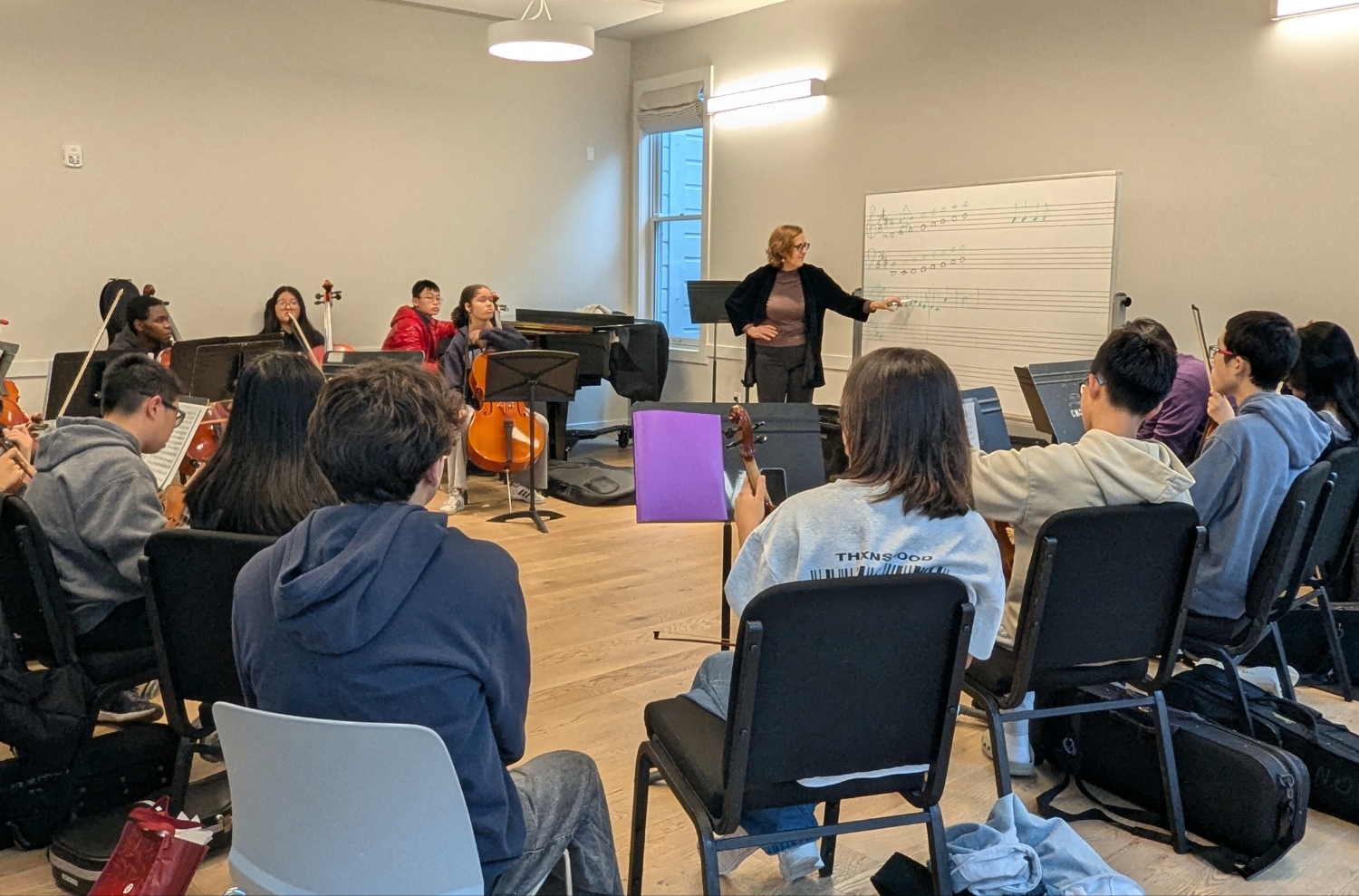
In a multi-year study, CMC, along with UCSF and the San Francisco Department of Aging and Adult Services (DAAS), implemented a brand-new choir program in 2012 with older adults, in order to observe the effects of the choir program on its students’ mental well-being.
“The evidence-based study was to show that singing in a community choir would be beneficial for diverse communities. So not just beneficial to middle-income or upper-middle-income, white people which who are often the subject of scientific studies, but diverse people from diverse communities using kind of a set of principles that customized for each community,” Sherman said.
In response to the positive study results, CMC was able to continue to fund the choir program.
“It’s almost a 360-degree experience. And then there’s sometimes really tangible stuff too. Like really important connections that happen, that support people’s kind of basic life necessities,” Sherman said.
After the study ended in 2018, results found that the choir program benefited people by decreasing amounts in loneliness and increasing in older adults’ desire to live longer.
“We managed to sustain the choir program and grow it after the study. So there’s 12 choirs through the study, and now we’re at 17,” Sherman said.
The impact of the choir program is evidenced within its students, with older adults at CMC still feeling the benefits from the class.
“Music has helped me stay active, connected, and not feel isolated or depressed. Breathing exercises that we do in choir are very beneficial to my health,” said Estela Moreno, a current choir, guitar, piano, and mariachi student at CMC.
CMC still strives to give as many opportunities to people as possible, keeping the tradition of inclusivity and togetherness that Gertrude Field had intended when she became the first director.
“We operate as a community, and we value that community connection. So we value opportunities for our students to perform. We offer opportunities for students to artistically develop as a community cultural ambassador. That’s part of our DNA and our vision and framework for what creates a rich musical education,” Sherman said.
