High school students are learning how to cook through short-form media, shifting culinary education from books to online platforms.
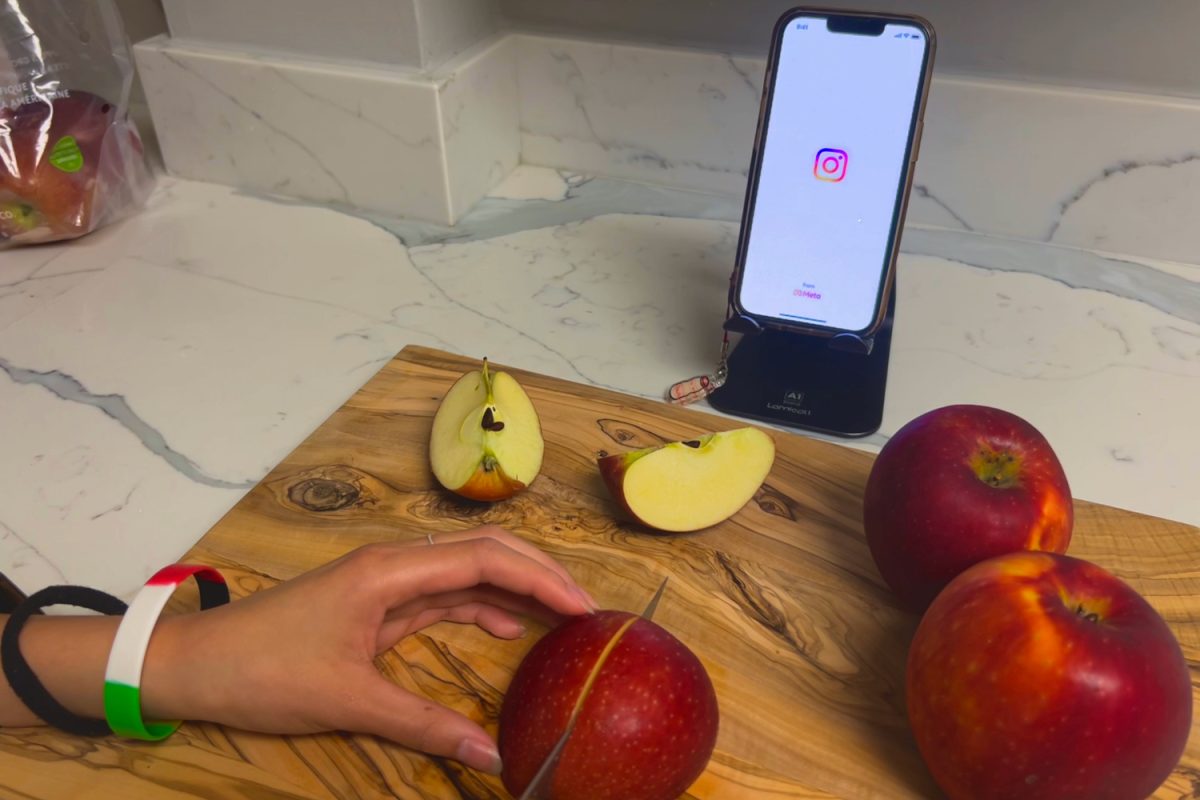
Short-form media on platforms like TikTok, Instagram, YouTube, and Facebook have made it possible for teens to pick up culinary skills in a matter of seconds.
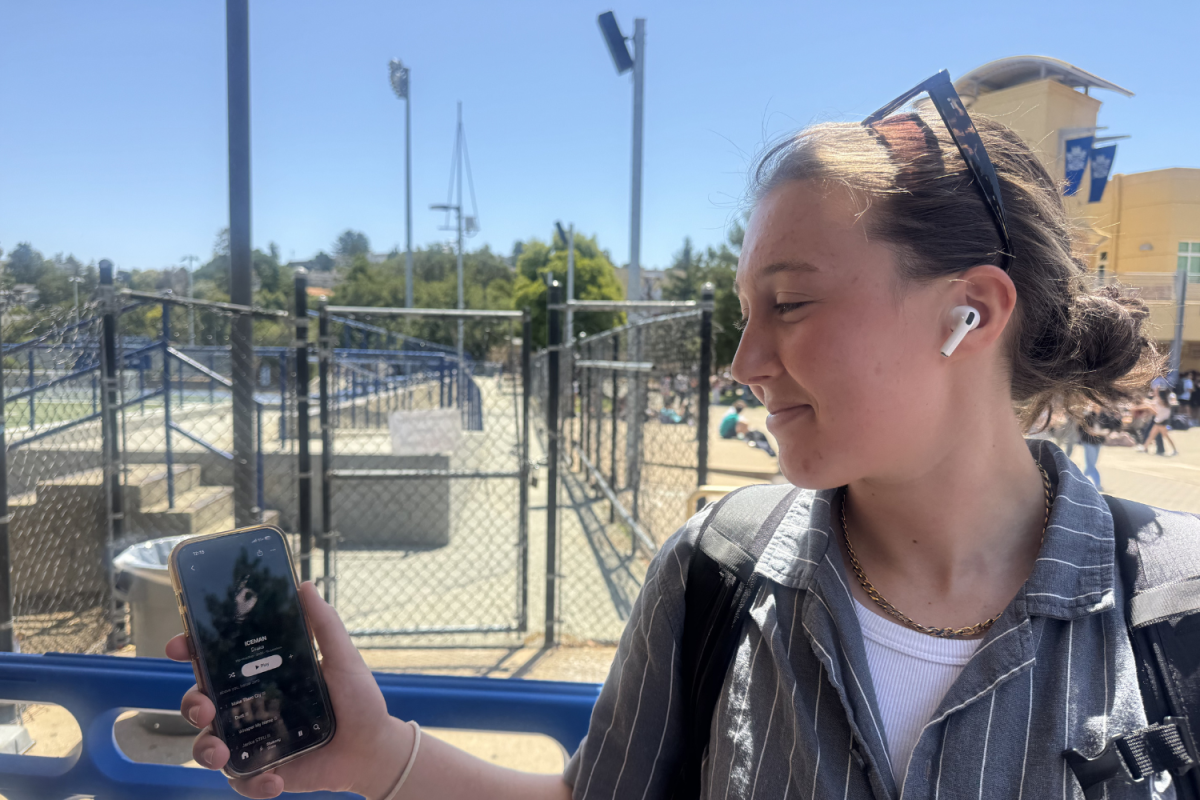
“When I’m trying to find recipes, I use social media a lot. I think YouTube is a good one if you’re trying to find recipes, because then you can also watch the video,” said Victoria Black, a Carlmont freshman and the president of the Baking Club.
Since YouTube was launched in 2005, food content has become one of the top multimedia categories online, with creators sharing recipes, meal inspiration, and food hacks through short-form videos.
According to Statista, the standard American’s daily media consumption averages to around eight hours, which is double the amount of time spent on traditional forms of entertainment, like books and other printed media.
David Lu, the growth marketing manager at Meta, explained why short-form media has become so popular.
“People’s attention span is very limited. So in order for people to get any consumer’s attention, they need to be able to get their attention really fast, and short-form media does that,” Lu said.
Aside from the decline in people’s attention span, short-form media has become more accessible to consumers due to the widespread and convenient access people now have to the internet.
Studies done by the Pew Research Center have shown that with the mass production of phones, laptops, tablets, and other electronic devices, the internet has become more accessible for Gen Z media consumers.
Today, the internet is so easily accessible to students that almost every class uses it in their daily lessons. Ralston Middle School’s Culinary Arts class, taught by Sara Tolliver, demonstrates this.
“I incorporate a lot of videos of the tutorials in my classroom, so that way if a student is absent, they can still continue to learn,” Tolliver said, when sharing about her classes’ daily lessons.
Tolliver also mentioned in the interview that on the days her students get a free cook day, some have asked ChatGPT to recreate recipes.
“I allow my students to use social media because that’s what we do nowadays, right? And it’s really easy to find a lot of information,” Tolliver said. “There’s a whole variety of people who can teach many different dishes.”
Today, short-form media has helped cultural foods reach wider audiences. While online trends have increased social media use, book sales have also risen over the years.
Since 2015, book sales have steadily increased, with an 8.9% jump during the pandemic, according to the Nielsen (NPD) BookScan.
Lu added during the interview about how books will most likely stay irreplaceable despite the rise of social media.
“I don’t think short-form videos will fully replace books,” Lu said. “Some people are still used to paperbacks, but digital books are taking a significant share away from physical books.”
Even with the competition between social media and physical books, Black mentions the importance of both when in the kitchen.
“I like to do both, because if you have it side by side, then there’s less chance of messing something up,” Black said.