
From matcha and tote bags to curated playlists and soft fashion, a growing number of Generation Z teens are embracing and questioning what’s known online as “the performative people.”
On social media, a viral “performative” trend has emerged around popular drinks like matcha, niche interests in Labubus, curated literature lists, and Clairo-inspired playlists. These elements don’t appear randomly. They’re part of a larger aesthetic that conveys a progressive and emotionally aware image. Among Gen Z, this identity has become widely recognized and, in some cases, is viewed as attractive.
Over the past few months, this trend has moved beyond the internet. Real-world events in cities such as New York, Chicago, and San Francisco have embraced the aesthetic, even hosting “performative” competitions that foster communities based on shared interests, including those in the Bay Area.
As the “performative” trend spreads, so do conversations around what’s real and what’s for show. Max Fetterly, a senior at Carlmont High School, says the line between genuine identity and trend-following often comes down to intention.
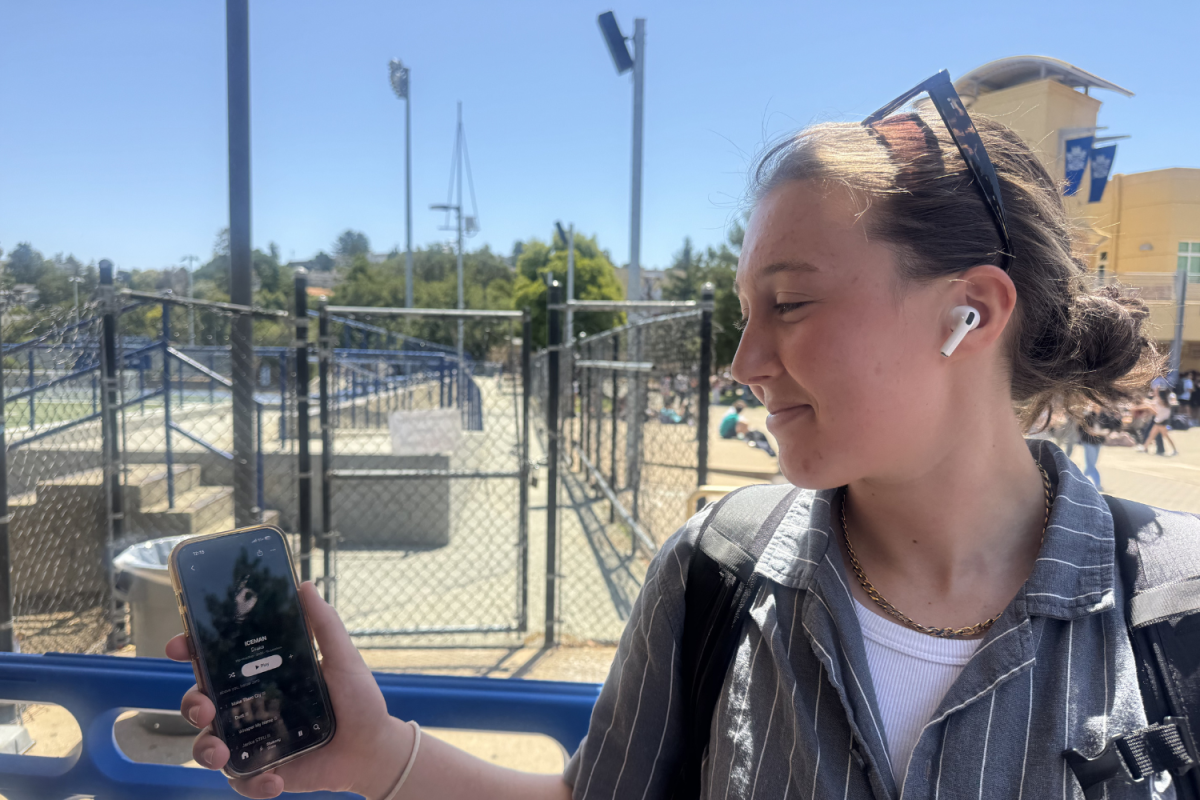
“You can tell if a person is not authentic if you ask them a deeper question, and they can’t really answer anything, or they’re just doing something just for looks, and they can’t go beyond the surface level of a book or a song or something like that, or have a reasoning behind what they’re doing,” Fetterly said.
People who fall under the so-called “performative checklist,” referred to online as “performative,” often face assumptions that they’re insincere or following a script.
“In this moment, I’m kind of doing it as a joke,” Fetterly said. “I would like to consider myself not performative on a day-to-day basis, because I like to do things for myself and not just for the looks of it toward other people.”
At a broader level, high schoolers in the Bay Area, such as Bill Dang, a sophomore at Palo Alto High School, find that these assumptions hit close to home. After curating a specific aesthetic on his social media, Dang found himself labeled as “performative” by his peers, even though he doesn’t fully embrace the lifestyle associated with it.
“A lot of people label me performative because I listen to a lot of Laufey songs, and also how I dress. People call me performative because of that. I feel like that’s kind of it. I don’t really like matcha, I don’t like Labubus, and I don’t read books. I don’t wear tote bags,” Dang said.
This push and pull between trend and authenticity reflects a broader tension in mainstream culture: When does self-expression become performance? And who gets to decide?
Travis Callan, the head of the ethnic studies department at Carlmont, views the trend as part of how Gen Z engages with culture, especially online.
“Certain trends become a way for people to show who they are or what they believe, which usually comes from shared experience. I think something makes somebody laugh, and then it either gets posted on the Internet or mentioned recently in a conversation or retelling a story, and it turns into a positive memory that then becomes either part of the language or part of what people express,” Callan said.
As the “performative” aesthetic continues to evolve, its popularity suggests that performance and personality may not be opposites, but part of the same process of navigating one’s identity.