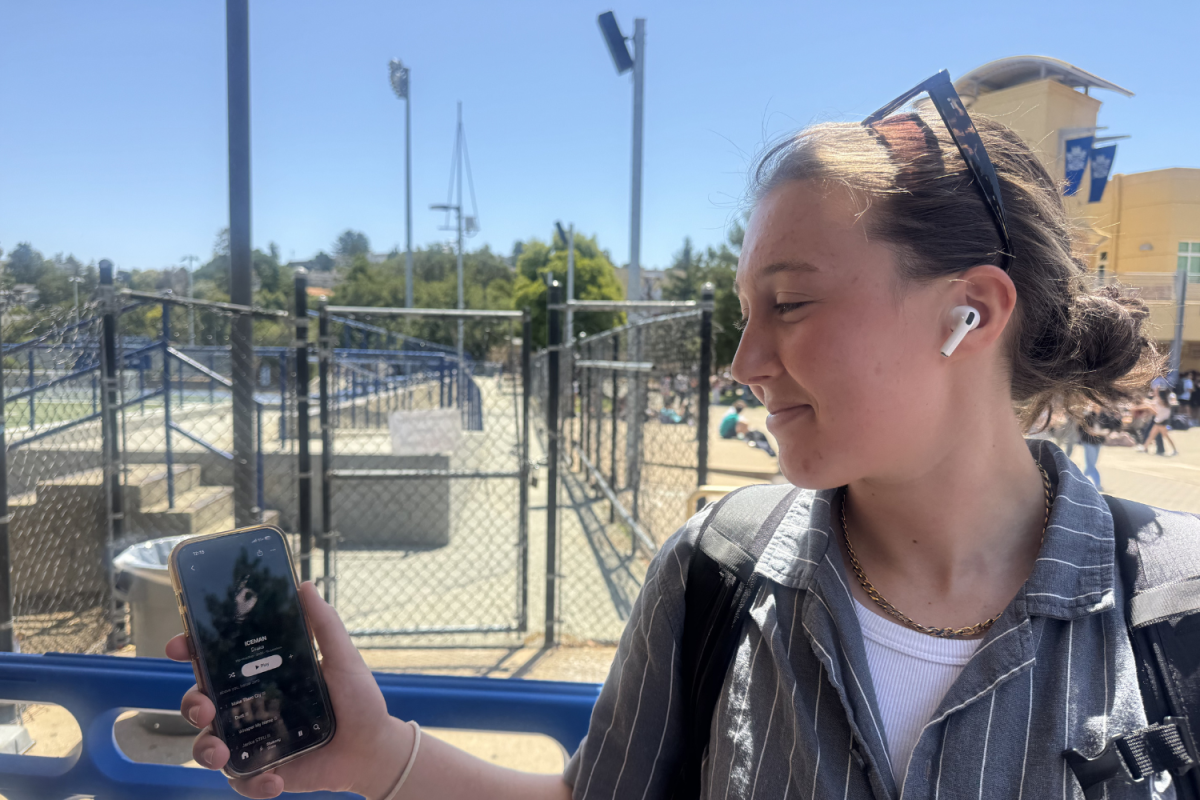

Teenagers in high schools around the world are using social media to change how relationships are formed and developed over time.
Currently, social media connects people faster than ever before. Apps such as TikTok and Instagram can connect people across schools, cities, and countries. These apps can expand opportunities, but also reshape how relationships develop. For teenagers, social media can change how relationships are formed, which can create new connections but also add new pressures and problems.
Online dating culture has introduced new complications. When texting online, people are more prone to interpret statements incorrectly.
“It’s a lot different when we communicate online because I can’t tell his tone over text or online, so we’re more prone to taking things the wrong way,” said Carlmont senior Kristina Danao.
When teens text or communicate online, there is a lack of nonverbal cues, which is one of the main reasons people may misinterpret things.
Digital communication can change how teens express interest. A like or a follow can show attraction and curiosity instead of traditional ways, such as in-person conversations or phone calls.
Danao met her boyfriend in person when they had three classes together junior year.
“He added me to his close friends. And then I would like all of his stories or reply to them,” Danao said.
In contrast, sophomore Alice Richez met her boyfriend through Snapchat.
8% of teens have met their significant other online, according to a study done by Pew Research. This shows that social media has made a significant impact on how social interactions can form.
“I feel like social media is a good way to start, especially if you’re too scared to talk in person,” Richez said.
Talking online can also cause insecurity and questions within couples. They may wonder if another person is being truthful in what they’re saying and showing.
“You never know if they’re faking it or something like that. I feel like talking in person is better,” Richez said.
Online culture can also change how teens behave socially, inside the classroom, and out. The ability to communicate online creates different social behaviors.
Since Carlmont Spanish teacher Maria Robinson became a teacher, she has noticed that social media has changed how teens interact.
“There is a little more of a distance. I think the communication is still there, but it has taken a different form where it’s more texting than interacting or expressing verbal language,” Robinson said.
Online communication is changing how teenagers in high school interact and form relationships. Social media makes it easier for couples to meet, but also adds complications.
“If we talk online, you don’t really get to see how the other person reacts to things, and we don’t really show as much emotion,” Richez said.