

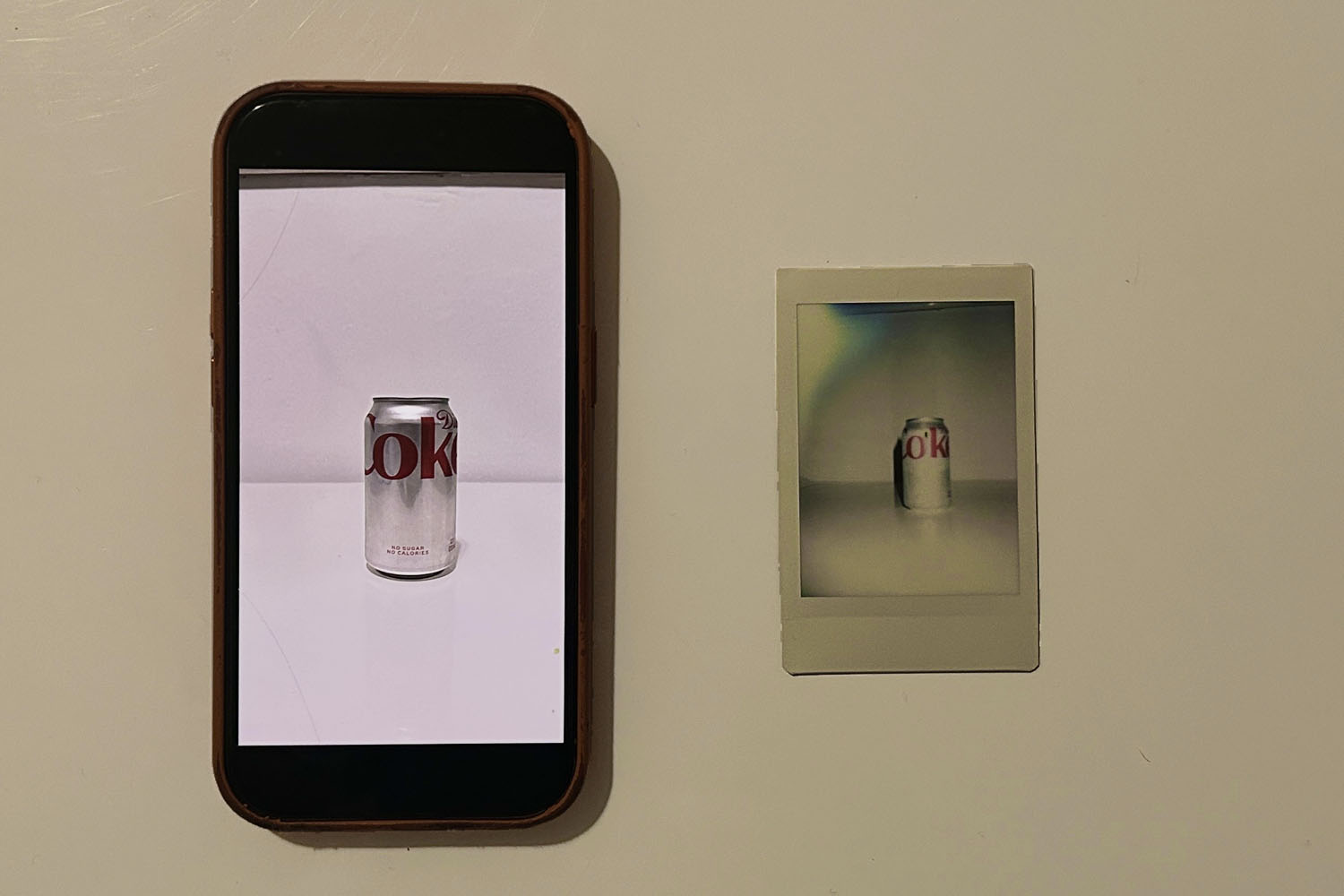
Nintendo. Stranger Things. Coca-Cola. Hollister. All these have something in common.
They use nostalgia marketing to appeal to consumers, specifically Gen Z. According to a 2022 Spotify report, 77% of Gen Z likes it when brands bring back old aesthetic styles, and 73% love it when brands create retro products or content.
Yet few people understand how nostalgia works or why it is so powerful. Brands tap into unconscious emotional pulls to familiarity to influence how consumers feel and what they buy.
The science behind nostalgia
According to Britannica, nostalgia is an affectionate, often sentimental feeling experienced when recalling past times, places, and experiences, especially those with happy personal associations.
The concept has evolved dramatically since it was first defined. The term “nostalgia” was coined in 1688, according to Britannica. The word mixes the Greek words nostos, meaning “return” or “homecoming,” and algos, meaning “pain.”
Nostalgia originally described a deadly medical disease with symptoms such as anxiety, anorexia, and heart palpitations. Today, it is known as a “predominantly positive, albeit bittersweet, self-conscious emotion,” according to a peer-reviewed journal on brain activity associated with nostalgia.
By engaging specific brain regions responsible for memory and reward, including the hippocampus and the striatum, nostalgia essentially reinforces the positive value of the memory and prompts consumers to seek that feeling again. As a result, nostalgic cues, such as familiar sounds, images, and even colors and fonts, can trigger an immediate emotional response that influences consumer decisions.
Moreover, the desire for nostalgia is fueled by a need for escape and relaxation from “busy, hectic, and challenging times,” according to “Nostalgic consumer trends and nostalgia marketing,” an article by Magdalena Daszkiewicz. This leads consumers to be attracted to nostalgia, especially during uncertain or troubling times.
By engaging the brain’s reward and memory centers, nostalgia functions as a powerful emotional trigger that drives a desire for psychological comfort. That emotional pull is now reshaping trends, consumer habits, and branding strategies across industries – especially among Gen Z.
A generation nostalgic for a past it never lived
Consumer data shows that Gen Z is not just participating in the nostalgia trend – they’re leading it, despite many not even being alive during the times they are nostalgic for.
According to a study by the Global Web Index (GWI), 15% of Gen Z prefer thinking about the past over the future, the highest across generations.
The revival of the 1990s and Y2K aesthetics, such as low-rise and retro clothing, is a huge part of this trend. Brands like Hollister successfully reintroduced Y2K staples like flared jeans, baby tees, and logo-heavy designs to the market, using consumer nostalgia to boost their campaign.
For many Gen Z consumers, nostalgia reflects a genuine interest in older aesthetics.
“I think it’s really cool to see an era of fashion reborn,” said Sara Brittain, a Carlmont sophomore.
Furthermore, not only is fashion nostalgic, but so are music, sounds, and aesthetics. For example, according to the same GWI study, ’90s hip-hop and rap music is Gen Z’s second-favorite genre, even though many were not alive during the ‘90s.
Gimen Peña Malcampo, a Stanford alumna and co-founder of Pier2 Marketing, offers a reason why Gen Z loves a past they didn’t experience.
“That connection may be because of your parents, through what they have lived and what they tell you about it,” Malcampo said.
However, Brittain provides a different perspective.
“I think the ‘80s and ‘90s were just really popular in general,” Brittain said. “Gen Z wants to be included in that era because it was the height of so many cool things, like fashion and music.”
Social media is the heart of this trend. Platforms like TikTok and Instagram promote nostalgic content that many teenagers engage with. Brands also use these platforms to market their products.
“Social media is definitely a great avenue to try to reach younger markets, because they love social media,” said John Rowe, who teaches Marketing Communications at Carlmont High School.
Despite this, it’s not only the younger generation that is attracted to the past. The same study from GWI also found that all generations are nostalgic, just for different time periods.
By understanding how nostalgia affects different generations and what each generation is drawn to, brands can tailor their marketing approach to appeal to their customers’ emotions.
Familiarity sells
Brands are actively employing nostalgia to attract customers and provide an emotional anchor. Consumers engaging with nostalgic media report feeling happy (53%) and comforted (40%), according to the GWI study.
Malcampo attributes the success of nostalgia in marketing to these feel-good emotions.
“You stop making decisions rationally, and you start making emotional decisions, or familiar decisions about the product because it evokes a happy memory for you.”
One prominent company that utilizes nostalgia to its benefit is Netflix. One of its most popular original shows, “Stranger Things,” revived ‘80s fashion, music, and aesthetics into a phenomenon.
For example, Kate Bush’s 1985 single “Running Up That Hill” reached number three on the Billboard Top 100 in 2022, after being heavily featured in season four of the show. The comeback was rare for a nearly 40-year-old song.
“Most of us as people love things that remind us of our youth,” Rowe said.
Additionally, established brands have an advantage in terms of familiarity, thanks to the trust and nostalgia built into their brand identity.
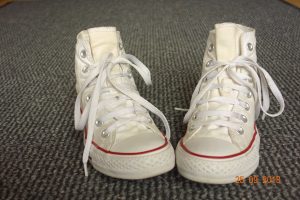
Rowe brought up Chuck Taylor All-Stars, which are sneakers made by Converse that were first released in 1917. They remain immensely popular today thanks to their iconic, vintage appearance.
“I think it helps to be the original maker of that original product,” Rowe said. “But I honestly think anything’s possible with the right marketing and thought that goes into it.”
This also explains why companies like Disney continue to release sequels to their classic movies.
“It becomes a crutch. You lean into it too much. People don’t challenge themselves. They don’t take risks anymore,” said an industry expert, who wanted to remain anonymous. “It can impede progress and risk.”
Although familiarity can be a valuable tool for companies to connect with their customers’ emotions, experts warn that there are drawbacks to relying on it.
“If you rely too much on the familiarity and nostalgia, it can also turn to the customer thinking, ‘Okay, that’s cheesy – now I know what you’re doing,'” Malcampo said.
Furthermore, an overreliance on nostalgia can limit brand originality.
“There’s a risk to it – inhibiting creativity, not giving room for newer stories and newer ideas to come to the floor because they’re drowned out by nostalgia,” said the same industry expert.
Ultimately, nostalgia resonates so strongly because it provides a sense of comfort and safety in an unpredictable world. Gen Z’s embrace of past aesthetics shows that looking backward can be just as meaningful as looking ahead.
“What are we going to be nostalgic about 30 years from now?” the expert said. “Let’s start creating today such that we can have nostalgia live on.”
