
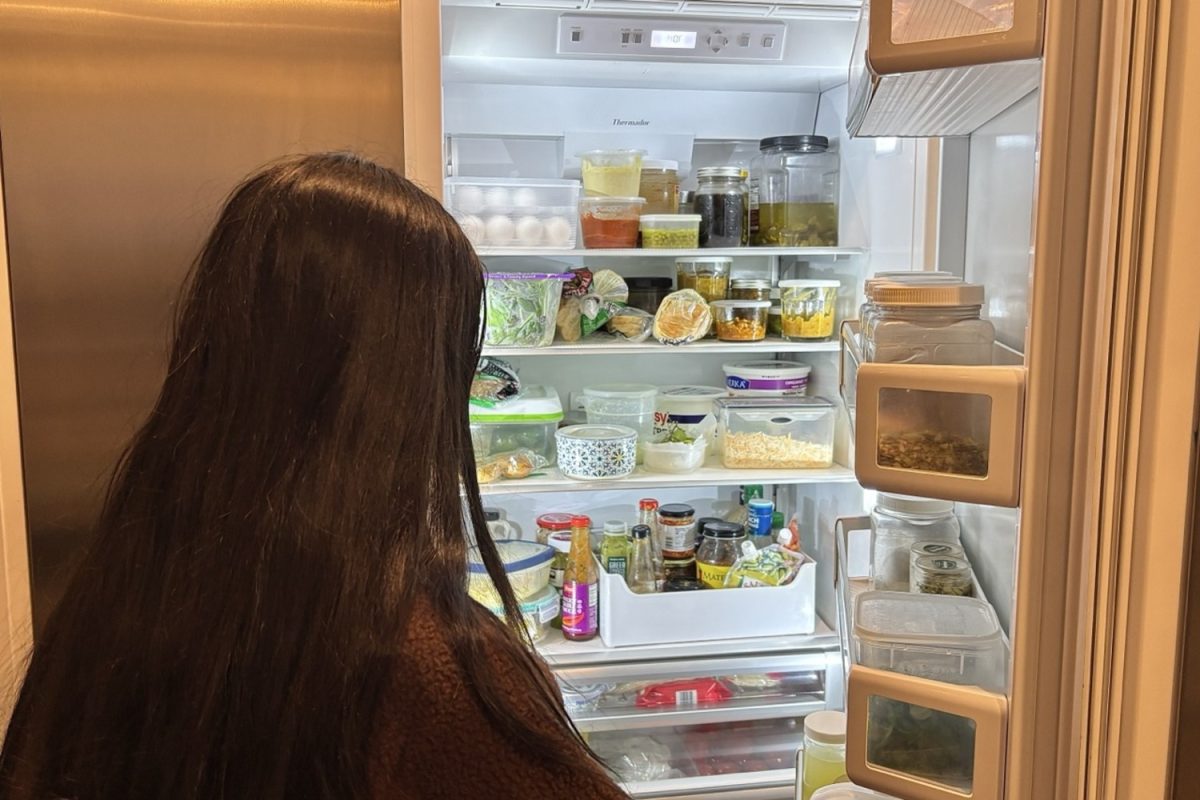
For many teenagers, the kitchen is a mystery.
Most students survive on fast food, microwave meals, or whichever snacks are within reach. Cooking often feels like a chore or something meant for adults, but learning even a few basic dishes can transform daily life.
According to the U.S. Centers for Disease Control and Prevention, roughly one in five children or adolescents in the United States is obese. Knowing how to prepare meals at home can help prevent obesity by giving teenagers control over ingredients and portion sizes. Additionally, cooking exposes adolescents, notorious for their limited palate, to a wider variety of foods, encouraging experimentation with fruits, vegetables, and whole grains that might otherwise be ignored.
Eating habits formed as a teenager often follow individuals into adulthood, making early cooking skills especially important once students leave home for college. Many students experience the “freshman 15” phenomenon, gaining around 15 pounds during their first year of college due to irregular eating, fast food, and poor choices. What about teenagers with cooking skills? They are far better prepared to manage their diet and maintain healthier routines, thus avoiding unnecessary and harmful weight gain when they move out of their parents’ homes.
Cooking one’s meals also teaches lessons in managing personal finances. Research from Wellness Hub found that home-cooked meals cost about four to eight dollars per serving, while the same meal from a fast-food restaurant can cost two to three times as much. For teenagers learning to manage money or preparing to live on their own, kitchen skills can save hundreds of dollars a year.
The benefits go beyond health and money. A study from Texas Christian University suggests that teenagers who cook regularly feel more capable and self-reliant. Measuring ingredients, timing a meal, and following a recipe builds focus, patience, and problem-solving skills. Cooking allows teenagers to take pride in creating something tangible, offering a sense of accomplishment that comes faster and more reliably than grades or social media likes. There’s also a surprising calm that comes from cooking. Stirring, chopping, and concentrating on a task can be meditative, a brief escape from constant notifications, homework, and social pressures.
According to Current Nutrition Reports, learning to cook also helps teenagers plan meals, reduce food waste, and shop smarter — skills that will make adult life less stressful and more efficient. Cooking is more than a life skill; it lays a foundation for responsibility, confidence, and a healthier, more independent adulthood.
Some may argue that cooking takes too much time compared to ordering food or heating packaged meals. However, many basic meals can be prepared in under 20 minutes, making cooking a realistic option for even busy students. Starting with simple dishes like scrambled eggs, pasta, stir-fried vegetables, or a simple soup can make the process feel manageable.
As teenagers gain experience in the kitchen, they develop independence and healthier daily habits while also discovering pride in what they can create on their own. Even small cooking successes can inspire them to take on other responsibilities with greater confidence and curiosity.
In a world where teenagers are expected to grow up quickly, cooking is a practical and empowering way for them to take charge of their lives.