
On Sept. 10, 2025, Carlmont High School went into a secure campus after a tip suggested a possible threat. Thanks to the quick action of administrators, doors were locked and students stayed safe. The tip came through the “Say Something” line, which students can access by scanning a QR code on their ID cards with a phone.
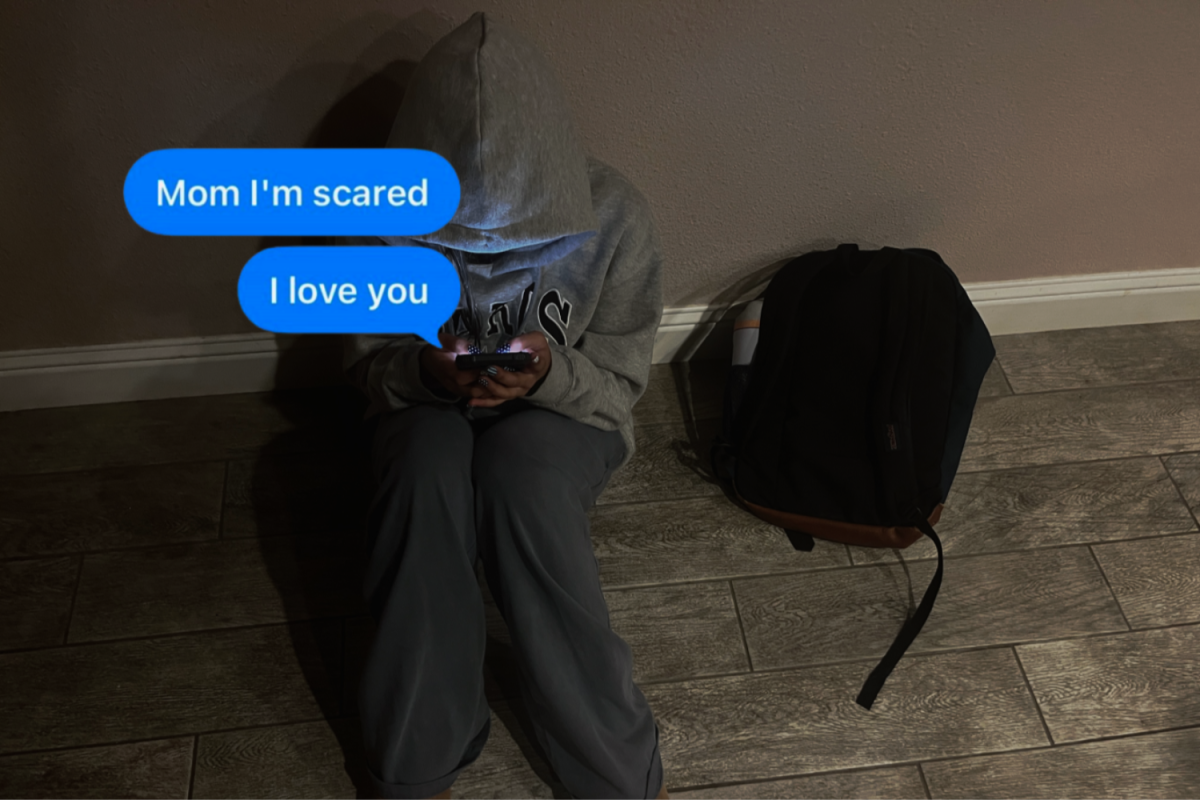
Phones in schools are a critical safety tool. Banning them puts students at risk by removing the fastest way to report threats or get help in emergencies.
Currently, the Sequoia Union High School District (SUHSD) is developing a smartphone policy for the 2026-2027 school year. They are encouraging people to opt for a completely phone-free school by pushing the message that banning phones will increase student engagement and overall well-being.
However, in the context of ongoing safety concerns, restricting access to immediate communication during emergencies presents significant risks.
According to Everytown, there have been at least 23 incidents of gunfire on school campuses so far in 2026, resulting in seven deaths and 10 injuries nationwide.
These incidents underscore how unpredictable and urgent school safety situations can be. Even so, some believe that schools can function without students having direct access to their phones.
Critics might say that students don’t need phones because they can communicate with parents through administrators or school staff.
However, in a crisis, teachers are focused on securing classrooms, administrators are coordinating responses, and students are left waiting. In those moments, students cannot rely on a system that requires layers of approval for access.
Students also deserve the chance to contact their families immediately. If seconds matter, relying on administrators to relay messages could prevent them from saying goodbye or from ensuring their loved ones know they are safe.
According to the National Parents Union, 78% of parents want their children to have cell phones at school for emergencies.
Safety is also about more than communication during emergencies; it depends on whether students feel comfortable reporting concerns before situations escalate. According to an article from the National Library of Medicine, 17% of youth struggle with social anxiety. Phones provide a private and accessible way to speak up. Without that option, some students may stay silent, which potentially puts themselves and others at risk.
With this in mind, I am not arguing for unrestricted phone use during class time. The effects of unrestricted phone use in the classroom are clear. Schools can and should set boundaries to minimize distractions. However, completely removing access to phones ignores their role as a safety tool and creates unnecessary risk.
Schools cannot claim to prioritize student well-being while removing one of the most immediate and accessible tools students have to protect themselves in a crisis. In the moments that matter most, a phone can become a lifeline.
Until schools can fully ensure student safety, they should not take away a tool that helps protect it.