
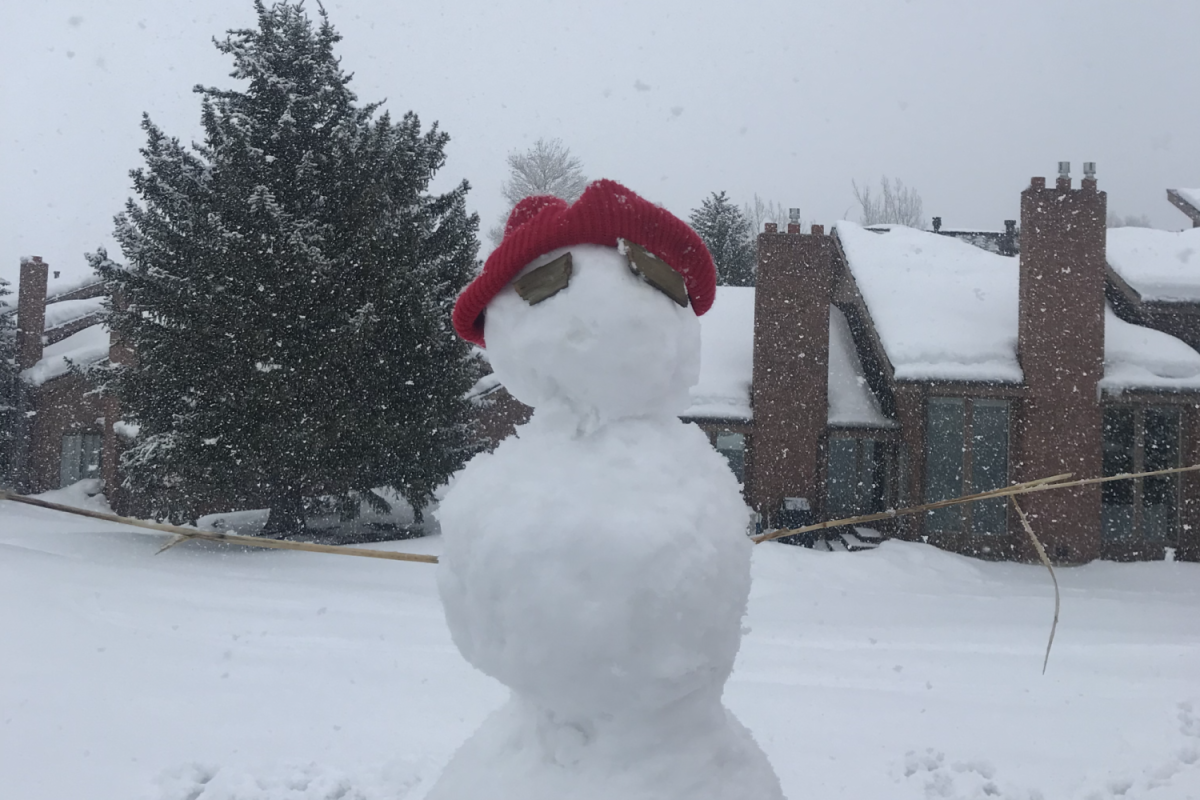
Every year, as temperatures drop and the days get shorter, students begin to dread the upcoming months, desperate to make it to spring again.
Conversations fill with complaints about the cold, darkness, and misery of the season. Looking at the weather app seems pointless when you already know what the forecast will tell you for the rest of the week: gloomy with a side of seasonal depression. But the true problem isn’t the season, it’s our attitudes toward it.
According to Stanford Report, a cultural mindset of “wintertime positivity” plays a significant role in maintaining mental health during the cold season. Typically, in December, the gloominess is masked by the cheer of the holiday season. But as the new year turns to January and February, the only thing to look forward to is the warming weather.
Looking ahead, eager for the future is something society knows all too well. Every year is a repeating cycle of wanting what you don’t have. I’m sure everyone has wished for a cool chill on a hot summer day, or a nice day by the pool in the seemingly never-ending cold of winter.
However, this vision also kills the enjoyment of the present and of living in the moment. It is a big reason that people have such a negative view of the coldest months. We forget that there are countless pleasures, big and small, happening at all times.
Winter does naturally bring a slowdown, but that slowdown isn’t a failure of productivity or happiness; it’s just a different rhythm.
As a teenager, disrupting the typical fast-paced, relentless cycle of school, sports, extracurriculars, and sleep is challenging. Many students, including me, try to push past the feeling of their bodies telling them to slow down. However, it is important to take the time in winter to spend a moment with friends and family, go outdoors, and get cozy.
Simple activities like baking or reading are among the most basic yet enjoyable parts of the season. There is no other time of the year when wrapping yourself up in a blanket and putting on your favorite show brings so much warmth and comfort.
Other activities like skiing, snowboarding, and ice skating can be equally as enjoyable as summer activities like swimming and hiking. Being in the snow can create a sense of calm that makes activities like these so pleasing. According to ENT and Allergy Associates, snow absorbs 50-90% of all sound.
The pause that comes with snowfall, because of the absence of typical noises, forces everyone to take a break. For some, this can be uncomfortable, but it is inevitably very beneficial.
These benefits also bring even more desire to winter activities that can be thrilling but also calming, simultaneously. Downhill Skiing, for example, has its countless thrills of speeding down a steep run or going off a particularly high jump.
At the same time, the sport can be unexpectedly calming. The steady rhythm of movement, the blanket of white, and the vast landscape around you create a rare sense of disconnection from everyday life.
Despite all the enjoyment in winter, it remains one of the least liked times of the year. According to the Daily Republic, only 11% of people consider winter to be their favorite season.
We are quick to label slower months as wasted time, rather than as an opportunity to rest and reflect. Winter doesn’t need to be viewed with the expectation that it should feel like summer; it should simply be seen as a slower time with many pleasures. As temperatures drop and the days get shorter, don’t dread the next few months; instead, see them as a new time with new opportunities.