From “huzz” to “lowkey,” slang is constantly evolving, but for today’s teens, it’s not just about language. Slang is a powerful tool for connection, and has been around for hundreds of years.
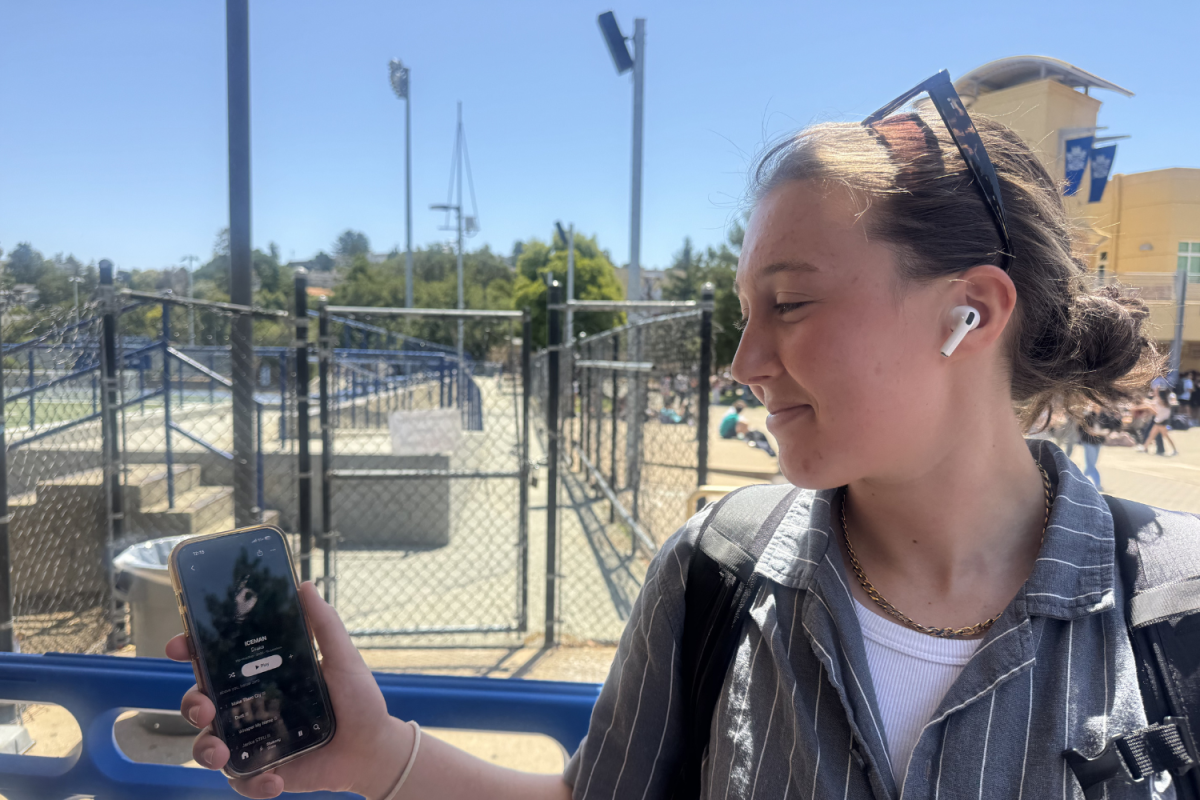
According to Johanna Norman, a sophomore at Aragon High School, slang is part of her daily vocabulary.
“I define slang as a made-up word used to communicate something specific,” Norman said.
Norman says that words like “huzz,” referring to someone’s crush, feel easier and more natural in conversation.
“I feel like saying ‘testy’ is a lot easier than saying she’s not really angry right now, but she could become angry,” Norman said. “I feel like it’s very useful to have those words.”
According to the American Psychological Association, slang reinforces “pleasure, connection, and a sense of shared identity,” especially among younger generations.
Amelia Brighton, who was born in 2012 and is part of the Generation Alpha community, says slang “is almost like an inside joke,” especially when the meaning isn’t understood.
“Sometimes my dad pulls out the term gnarly. It just makes me really uncomfortable. I don’t know what to say to him,” Brighton said. “It helps combine the people from a certain generation, but then also the other generations don’t know what we’re talking about, and we don’t exactly know what they’re talking about.”
Language differences can lead to misunderstandings between generations. Norman says this has become normalized, since current millennials often face scrutiny for their language.
“Like larping. It makes no sense. I don’t think older people understand the idea of pretending to like something to seem cool. It’s like the same with performative, you know, but it’s Larp. It sounds weird, too,” Norman said. “I feel like it’s mostly the older generations not understanding us.”
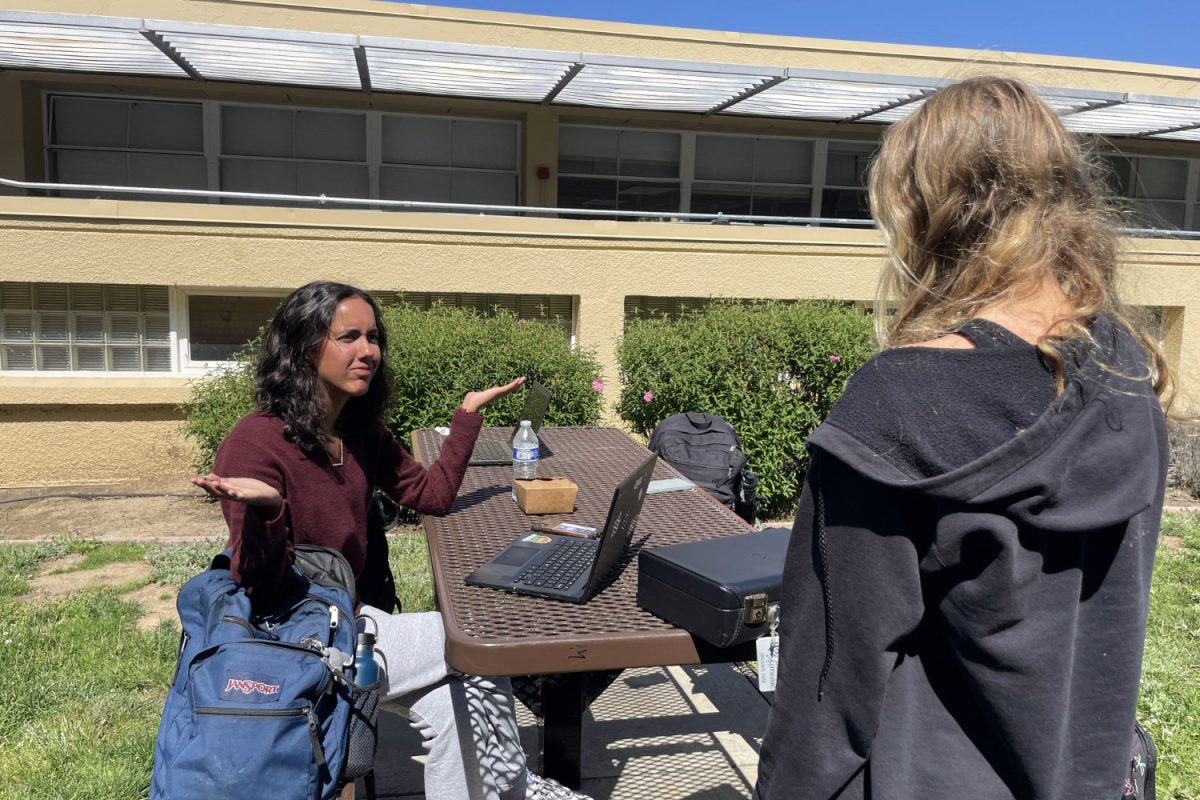
According to Samantha Rojas, a teacher at Carlmont High School who was born at the very beginning of Generation Z, slang is casual language that helps people connect and, sometimes, capture what they are trying to say better than “proper” language.
“I think every generation makes their own slang because people want something that feels like theirs, plus it’s funny. It’s a way to stand out and connect with others their age,” Rojas said. “Language changes over time, and slang is just a natural part of that. It also kind of separates generations, so not everything sounds the same across age groups.”
Rojas believes that Generation Z understands most slang, though not everyone in the same generation uses the same slang. Instead of using words such as “huzz” and “testy,” she uses other words.
“I’ll also say ‘big brain,’ which isn’t used as much anymore, but it just means a really smart idea or way of thinking,” Rojas said.
According to Norman, the increased popularity of the slang term “lowkenuinely” demonstrates how slang tends to spread and disappear more quickly through public use and social media.
“I think slang definitely spreads faster because of the internet and social media. Like, I’ll see one video use a new word, and then all the other videos will use that word. Like that one video that invented lowkenuinely, now everyone uses lowkenuinely, even though it was one person who started it,” Norman said.
Rojas says that slang has a lasting impact but can also fade with wear.
“Some slang sticks around and becomes part of everyday language, while other words just fade out over time. For example, words like “cool” or “hang out” started as slang but are now just normal to say,” Rojas said. “On the other hand, people used to say “that’s boss” to relate to something cool. Nobody says that anymore.”
New slang is created every day. According to Brighton, people constantly invent new language.
“I feel like since slang moves so quickly, there’s always a new thing to say,” Brighton said.
Because slang changes so frequently, it also dies rapidly. According to KidSpirit, “Slang dies out when too many people outside the intended audience begin to use and understand it.” Consequently, when parents try to use the slang of the younger generation, it can be interpreted as embarrassing or uncool.
Sometimes, slang can be disruptive, but it can also be positive, according to Norman.
“Definitely with ‘6-7,’ it’s obviously really disruptive for classrooms who are trying to learn how to count. But other than that, I feel like it’s kind of just harmless fun,” Norman said.
Slang in the classroom doesn’t always have to be disruptive. According to Rojas, sometimes it helps her connect with students, even if she initially misunderstands an unfamiliar word.
“I’ve seen slang come up pretty naturally in the classroom, especially in how students talk to each other and sometimes even with me. They use it to joke around, react to things, or make conversations feel more relaxed,” Rojas said.
Using slang too much or from the wrong people can leave a sour taste in the mouth. Teenagers also want their own language that is different from their parents’ language.
“Basically, everyone else is unc (old), or they’re like really young. So you don’t want to use their slang. It’s just not good,” Brighton said.
Slang can be a tool for expression or a suppressor of intergenerational connection, overall providing a sense of community.
“Slang makes conversations feel more natural and genuine. It helps you see people for who they really are. At the same time, it can cause some confusion between generations, but overall, I think the connection it creates is more important,” Rojas said.