
Lilly, a student, walks into her local library to check out a new book. She searches the shelves until something catches her eye. After reading the preview, she realized it was a sequel and debated whether to put it down.
There are many different views on sequels, whether in books, movies, or plays, and all spark debate over creativity and nostalgia.
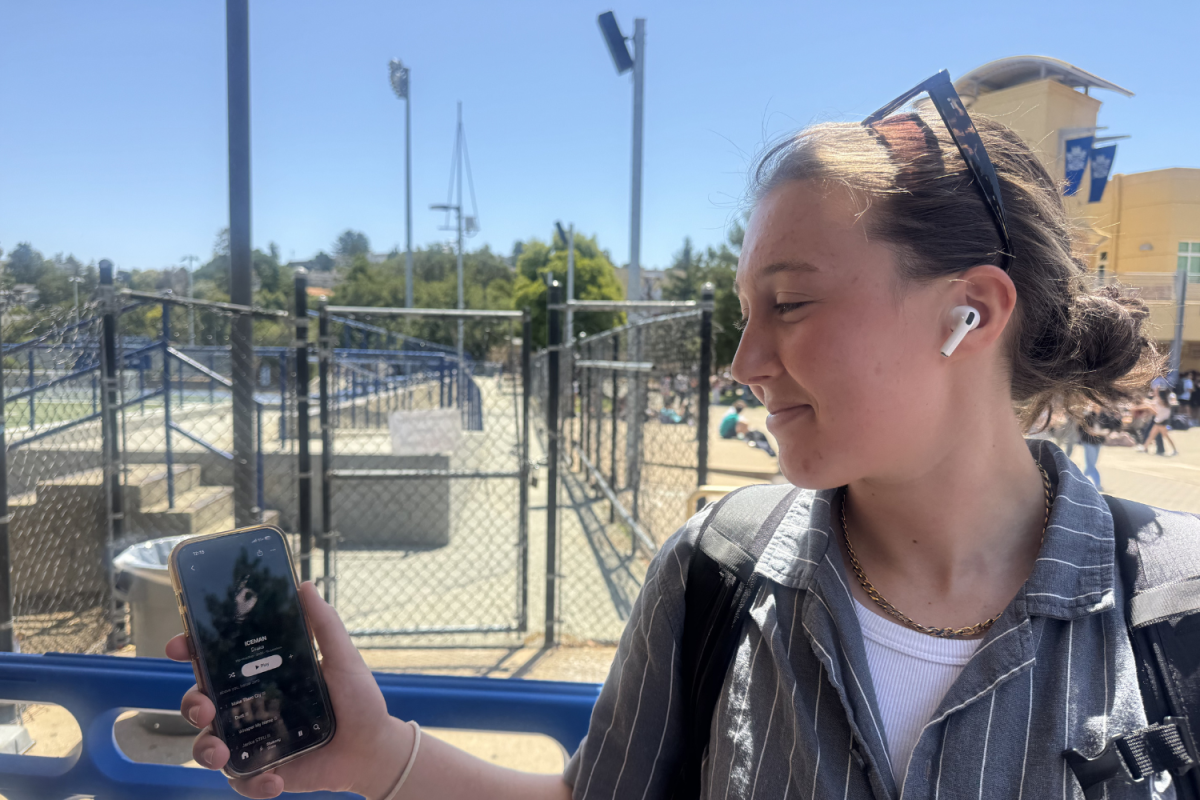
“It makes the work less special sometimes, especially if the sequel is bad, to have the same characters being brought up in a bad setting, and it tarnishes the reputation of the actual book,” said Lilly Brighton, a sophomore at Notre Dame High School and an avid reader.
People all over the world are drawn to stories. A sequel can either falter or strengthen the draw, altering the creative quality of the work and audience engagement over time.
Daniel Zizmor, a computer resources professional and artist who has worked at several film companies as a technical director and actor, shares his perspective on sequels.

“These days, I think studios look for stories that exist in a unique universe that could become sequels,” Zizmor said. “Limitations can help drive creativity.”
According to Platform Magazine, “Sequels excite movie lovers by expanding beloved worlds. While standalone films spark curiosity, sequels deepen our connection to familiar stories and characters.”
Pixar’s co-founder Ed Catmull has a different idea about the creative side of sequels. According to The Ringer, Ed Catmull’s book ‘Creativity, Inc.’ calls sequels “a sort of creative bankruptcy.”
As a longtime fan of books, Brighton agrees with this view, claiming that the original is always better.
“I just feel like they take away from the actual book. I feel like the plot is less organized and less cohesive a lot of the time,” Brighton said.
The popularity of sequels differs from setting to setting. This isn’t just true for movies and books; stage productions also face similar challenges when continuing a story. Talia Loeb, a sophomore at Carlmont High School, has been acting for six years and says she has never seen a play made from a sequel.
“I would say that the only one that I can think of that maybe would be classified as a sequel, would be ‘The Wizard of Oz’ versus ‘Wicked,’” Loeb said.
In contrast, in the literary world, a picture is not always worth a thousand words when it comes to movies. Most people say they enjoy the book more than the movie alternative.
“Book sequels are generally better, because in a book you can’t just ride on special effects — you need to have a good plot,” Brighton said.
Brighton’s point highlights the importance of story, yet box office trends show that audiences still turn out for familiar franchises.
According to IMDb, seven out of the top 10 highest-grossing movies of all time were sequels. Additionally, Variety reports that all the top 10 grossing movies of 2024 were sequels. However, Zizmor warns against trusting just the gross number of a movie.
“Don’t let that fool you into thinking that revenue always means quality,” Zizmor said.
One issue with sequels is the limited budget allocated to the films in comparison to the original.
“A frequent issue with sequels is that they commonly come with massive budgets, and when filmmakers have those massive budgets, I suspect they feel like they have unlimited creativity. Ironically, that lack of limitations likely results in more cliched and less creative stories,” Zizmor said.
According to an article by Backstage, “the average time to make a movie is between one and 2 1/2 years.” Sometimes books can take even longer.
Movies and books definitely take a lot of effort, but effort doesn’t always make a difference. Zizmor says the best advertisement a film can have is by word of mouth, and a bad review can cause a loss.
“It’s a ton of effort to make a movie or show. If the first telling of the story flopped, why would any audience member say, ‘I definitely want to see a follow-up to that terrible story?’” Zizmor said.
Sequels are challenging to master and often have roadblocks along the way. Loeb highlights the creative limitations of sequels and the issue of storytelling fatigue.
“Sequels can be good if they’re done well, but a lot of them aren’t, and they ruin the original franchise,” Brighton said.
Sequels aren’t just a continuation of a story for some film companies. According to The Wrap, Pixar has only released nine sequels, but they have been a necessity for the studio.
“At a certain point, you can only do so much more with the characters and their development, so then it just gets boring,” Loeb said.
“I was always ‘no sequels, no sequels.’ But I had to get on board from a vice president (VP) standpoint. Sequels are part of the necessity of our staying afloat,” said Andrew Stanton, in an interview with The Ringer.
Another debated view is that some sequels are considered better than the originals. Loeb accounted that the ‘Red Queen’ series and ‘The Unwanteds’ were better than the original. Brighton expresses a popular opinion.
“’Catching Fire’, I feel like, is better than the original ‘Hunger Games’,” Brighton said.
We all keep coming back to the same stories we know. People find comfort in knowing the ending of a story; they find scary movies more enjoyable, heartfelt animations a sweet reminder, and classics become favorites.
“It’s associated with childhood. So we all know them, so we know what happens next,” Loeb said.