


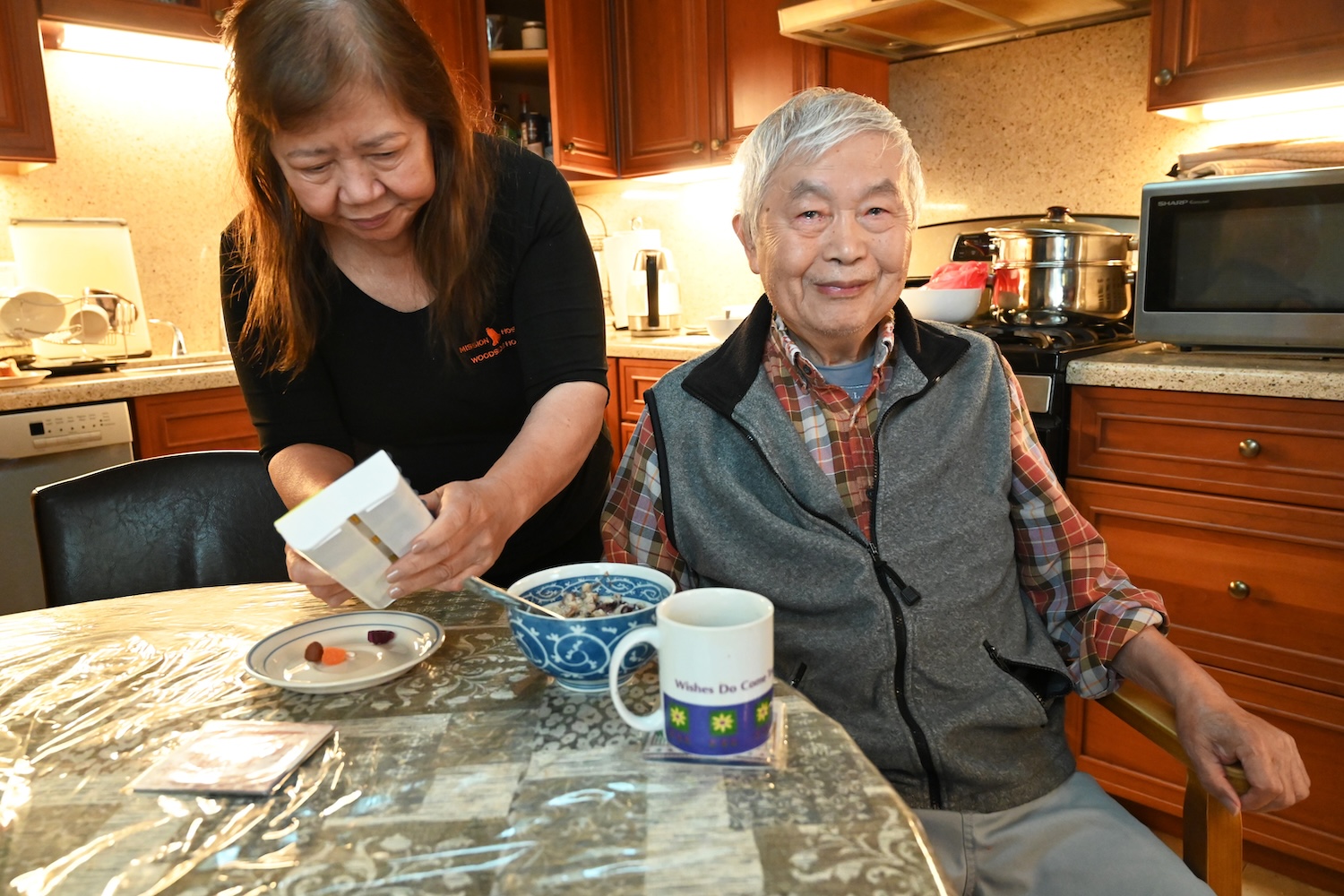
Caretaking is a passion, not just a job, taking many forms from professional support to everyday care provided by dedicated family members.
Every day, millions of Americans provide long-term care for family, friends, and neighbors; yet, many individuals do not receive the recognition for the day-in and day-out work they do to deliver everyday help to their loved ones.
Across the country, caregivers support others in providing them with a life in which they still have their own freedoms, yet have enough assistance to carry out their daily tasks.
The heart and backbone of family care
According to a study by the American Association of Retired Persons (AARP) and the National Alliance for Caregiving, the estimated number of family caregivers has increased since 2015, with around 63 million Americans serving as family caregivers for a relative.
Those 63 million Americans represent around 30% of adults in the United States, many of whom also engage in caretaking in addition to their regular jobs.
Currently, the number of family caregivers is increasing, but it is projected to decrease as overall family sizes decline.
Donna Benton is a professor at the University of Southern California, trained as a geropsychologist specializing in mental and behavioral health of older adults.
“Right now, there are about 53 million family caregivers, which is about one out of every four households,” Benton said.
According to Benton, family members have started to engage in more complicated care, which includes management of hospital visits, medications, and extra daily tasks such as help with a catheter.
“One of the very unique challenges is that the family caregiver doesn’t get a break,” Benton said. “When you’re paid, you may get paid to be with that person for four hours, but the family caregiver is there 24/7 so that becomes very difficult.”
A significant issue that affects many families is the sudden need to pay, in both money and time, which is usually an unexpected addition to their original expenses.
One study by researchers from Johns Hopkins University and the University of Michigan found that the number of care hours for adults with dementia increased by about 50% for those who were either family or unpaid caregivers, from an average of 21.4 hours per week to 31.0 hours.
“They may be trying to balance work and care. So many times, you may often see that a caregiver will have an additional almost 24 hours a week on top of their regular work schedule,” Benton said.
Over time, the amount of extra hours spent caring for family members can become exhausting.
Because of the constant additional time spent helping family members, many home caregivers choose to take time off.
California offers Paid Family Leave for eligible employees who may need to take time off to care for family members. Systems like these can be beneficial as they can extend from 8 weeks to 12 months, depending on each situation.
“When someone takes time off, they don’t have to make a choice between taking off work or feeding their family, and caring for their family member,” Benton said.
Professional care beyond the home
Outside the home, professional caretaking provides essential support for individuals experiencing memory loss, including those affected by dementia.
For individuals with dementia, everyday tasks can be particularly challenging. From self-care to maintaining hygiene to simple tasks like cooking and cleaning, many individuals with dementia benefit from having a caregiver assist them occasionally.
Corazon Caldejon is a paid home caretaker, meaning she visits patients’ homes to provide care rather than in a facility.
According to Caldejon, caregiving for others came naturally after she was a family caretaker for her mother.
“I used to take care of my mom before, so when she passed, I felt like I wanted to continue sharing,” Caldejon said. “I’ve devoted my heart to caregiving.”
Overall, caregivers do everything from bathing to preparing meals to assisting the individual to the bathroom. Especially for family caregivers, whether paid or unpaid, it is valuable to have people like caregivers to schedule and drive patients to appointments and deliver medicine at the correct times.
Some dementia patients choose to continue living in their homes with home-care services or a family caretaker. However, some dementia patients and their families decide to move older folks into memory care communities.
Silverado Belmont Hills Memory Care Community in Belmont offers a residential living space for individuals with memory difficulties, providing a supportive environment where they can reside and receive on-site medical attention and daily assistance.
Claire Karo is the director of Resident and Family Services at Silverado.
“Silverado is one of the only 100% dedicated memory care communities. If you have a loved one with dementia, they can come live here, and they get specific, specialized care for the entire length of their life and disease progression,” Karo said.
Specifically, Silverado features friendly layouts that are open and easy to navigate, thanks to clear visual cues such as signs and well-marked outdoor walking paths, which ensure safety while enhancing the overall mood and well-being of residents.
“Our environment is intentionally designed to support the unique gains of memory loss. We know that surroundings play a major role in how someone with dementia feels and functions, so our communities are built to promote comfort, safety, and independence, while reducing confusion and anxiety,” Karo said.
Moving a relative into a new location can be a stressful and challenging situation for the families, but more specifically for the future resident. According to Karo, Silverado alleviates some of the stress by incorporating familiar home life features such as decorations and furnishings.
“We decorate and furnish our community to look like you’re at home, versus like you’re at the hospital,” Karo said. “We personalize spaces so residents can feel at ease and connected to their environment.”
Due to the nature of Silverado, built-in services are available, including occupational and physical therapy treatments provided by Select Rehabilitation.
Ritu Rose and Myah Farrell are physical and occupational therapists at Silverado.
According to Rose, those who join communities such as Silverado’s are able to receive more around-the-clock care compared to patients receiving care at home.
“At home, however much support they get at home is sometimes not enough, especially when their dementia is advancing. Here, they are getting better support from caregivers. Somebody is always there to attend to their needs,” Rose said.
The engaging aspect of Silverado is also beneficial, especially for the geriatric population, who, on average, tend to socialize less.
“The general geriatric population, if they’re home, tend to not socialize as much,” Farrell said. “Things I love about assisted living overall is that it allows for a sense of community, the noises of life around, and the caregivers are usually fresh.”
Farrell refers to how caregivers are constantly going through cycles that allow for breaks when needed. Unlike family home care, which is nonstop, caretakers in specific facilities can manage their patients more easily, as they can also get help from other parts of the facility.
According to Farrell, while it is valuable to try to keep a loved one at home, it can wear down many family caretakers after a while.
“At some point, the family has to say, ‘Oh, this is not good for the person because I’m not able to meet all their needs as readily as possible,’” Farrell said.
Finding support systems
As caregivers help patients achieve a new level of independence in their lives, the continuous work can become stressful and even lead to burnout.
As a caregiver, it can be overwhelming to take care of someone else constantly. Caregiving requires a lot of teamwork and empathy, but takers may forget that other people are going through the same problems and resources to support them.
“Teamwork is a huge key part of success. Caregivers are supporting one another just as much as they support their residents,” Karo said.
At Silverado, they have mentorship programs and caregiver teams where two caregivers may pair up to assist residents together.
Yet, for family caretakers, support may look a little different. Still, according to Benton, there are resources available to educate and guide caregivers of all ages, such as the one from AARP.
According to a study by the National Library of Medicine (NLM), around 64% of adults with moderately severe dementia stick to at-home care, 19% in residential care, and 17% in nursing home care.
However, sometimes these decisions are impacted by other factors such as cost. According to the same study by the NLM, individuals receiving at-home care were 2-5 times more likely to be members of disadvantaged populations.
A big part of caretaking happens within the home. In certain lower-income circumstances, it was found that nearly one in three caregivers has a household income of under $50,000, according to AARP.
Often, people are unaware of how long a family member may need care, so it’s beneficial to plan for the future.
Benton stresses the importance of taking the time first to identify the resources available to help educate family members about the diseases that a family member may be experiencing.
Resources such as AARP’s Prepare to Care guide help with everything from potential legal matters to emotional finances to work balances.
One program that some caregivers utilize is respite care. Respite care services enable caregivers to take a break while someone else provides care. However, while many caregivers agree that respite care would be beneficial, fewer actually participate in these programs.
According to Benton, it is vital for caregivers to reach out more.
“Support groups are valuable for helping you not feel isolated,” Benton said. “You can’t pour from an empty vessel, so you have to be able to refill yourself in order to be a good caregiver.”
Benton emphasizes the importance of finding support systems that extend beyond those from just your home, including friends and neighbors.
“Caregivers may not be a blood relative, but could be somebody who is a friend. We need to allow for that family of choice and allow people to choose who they want to be their caregiver,” Benton said.
Leaving a lasting touch of care
While the caring part of a caregiver’s job is necessary, the connection and trust built with them is just as crucial.
Especially at Silverado, Karo notes that caregivers place a strong emphasis on patience, particularly when working with both older adults and those with memory issues, by using gentle tones, maintaining eye contact, and employing clear language to reduce frustration and anxiety in residents.
Given that a significant population of Silverado’s residents have dementia, many caregivers may find themselves repeating questions and reminders to residents. Although it is a repetitive task, it allows residents to feel more at peace and grounded, finding a sense of familiarity.
“The caregivers play a big role in maintaining consistent routines with them that provide a sense of security, and personalizing care is equally important,” Karo said. “Trust is really built through consistent and compassionate interactions.”
Whether it is at home or in an assisted living community, caretakers allow people to find their independence while balancing physical, mental, and medical problems. Caregiving extends beyond the relationship between a patient and a medical provider.
“You have to involve the person who’s providing and know who you’re providing care for: always being respectful, asking them, giving them the choices, helping, taking time to explain what’s going on, and making sure that they’re part of the decision making,” Benton said.
Ultimately, caregiving offers a deep sense of purpose — not only for those who receive care, but also for those who provide it.
“The value is that you hear over and over people will say that they learn so much about themselves and that they grow from that experience,” Benton said. “You learned patience. You learn more about how to be resilient.”
