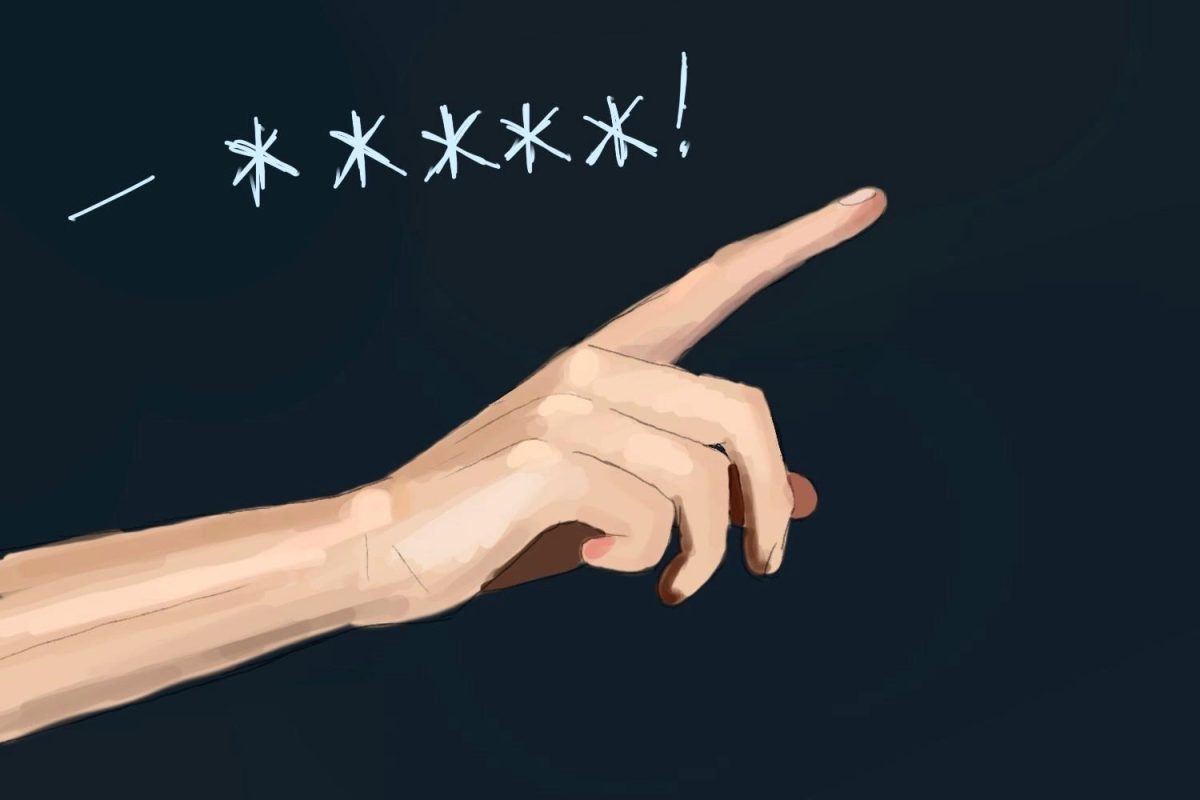
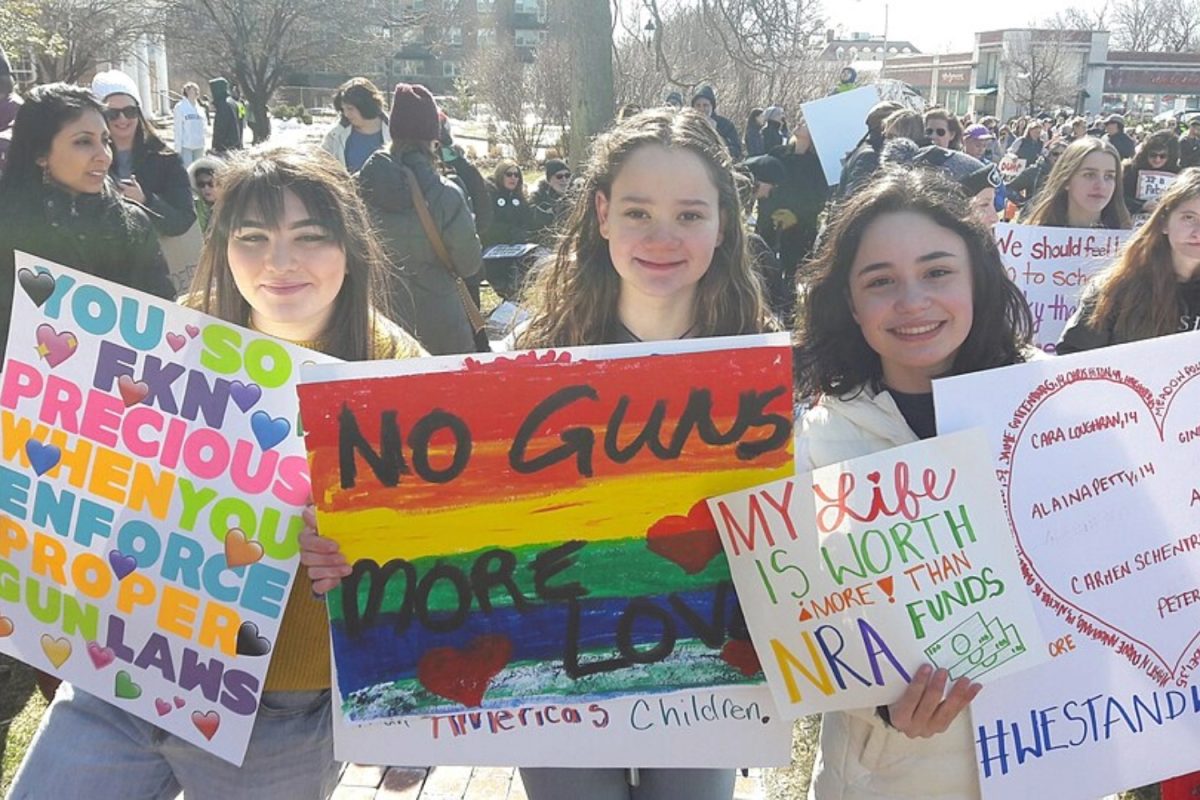
“She should be careful. She’s making herself look like an activist.”
An older woman had made this comment, laughing, after I read out my prayer to the church. At 12 years old, I had just made a plea to God to protect people living in totalitarian societies in front of the congregation.
Hearing her comment instantly made me ashamed. I had grown up thinking that activism was too emotional and radical. And on that day, I realized that speaking out about political issues as a young person was seen as laughable by others.
It was only after several years had passed that I realized the woman was wrong, and that there was nothing shameful about being an activist, or my prayer. I was speaking up about an arguably important issue. Being aware of such issues at a young age should have been a source of pride, not regret.
The woman’s comment reflects a broader societal mindset that young people should not be involved in politics and that it is “inappropriate” for us to speak out about certain issues.
But the world is not innocent enough for youth to be innocent.
On a crisp January afternoon, Carlmont students protested the actions of U.S. Immigration and Customs Enforcement (ICE) by participating in a walkout alongside students from nearby schools.
Many students decided to protest, not because they wanted to skip school, but because ICE was actively impacting their communities. It is impossible to ignore stories about immigration on the news or on social media. They wanted to make a change and show others that they stood against injustice.
In the United States, one must be at least 18 years old to vote. Yet the decisions that voters and public servants make impact people who are younger than 18. For example, ICE has detained over 6,200 children since President Donald Trump’s second term in office. If the government has the power to detain minors, shouldn’t we, as young people, at least be aware of the decisions that could potentially affect us?
Those who say that younger people should be kept out of politics likely have good intentions. But keeping us in the dark will only harm us later in life. It is impossible to hide both the good and the bad sides of politics, as they impact all members of society.
When the so-called Epstein files were released, many of my peers were aghast at finding out that many of the victims were children our age. Yet the Department of Justice hesitated to release the files, with organizations such as the United Nations pointing out a lack of accountability and justice for victims.
According to the Public Broadcasting Service (PBS), Trump has faced allegations related to Jeffrey Epstein. If our own president is guilty of sexual misconduct against young women, how can society ask girls to close their eyes to politics? The fact that powerful people, from Trump to Texas Rep. Matt Gaetz, are accused or have been investigated for sexual abuse against minors should be a wake-up call to everyone. Young people are affected by the policies and actions of those in power, and thus should not be told they are “too young” to be involved in such affairs.
It’s true that sometimes, it doesn’t feel appropriate for young people to participate in politics. But those who champion that cause live in a fantasy in which all children are shielded from the harsher realities of society and can remain innocent for as long as they want.
The reality is that our world is determined by political leaders who often make decisions that harm young people. Many of us are not privileged enough to choose to be naive. But the beauty of our country, for all its flaws, is that the people at least have a voice. We might not be able to vote yet, but we can still speak up about what we believe in and help protect the futures we cherish so dearly.