Why do conflicts happen?
Drawing from history, they might stem from land, religion, or even racial differences. But I’ve noticed a pattern among countries that have experienced conflict that spilled over into the present day: they were colonized at some point.
It would be incorrect to say colonialism is the root of all strife. After all, some countries involved in war have never been colonized before, according to the World Population Review. But just like land and religion are factors, I wondered if colonialism could be one as well.
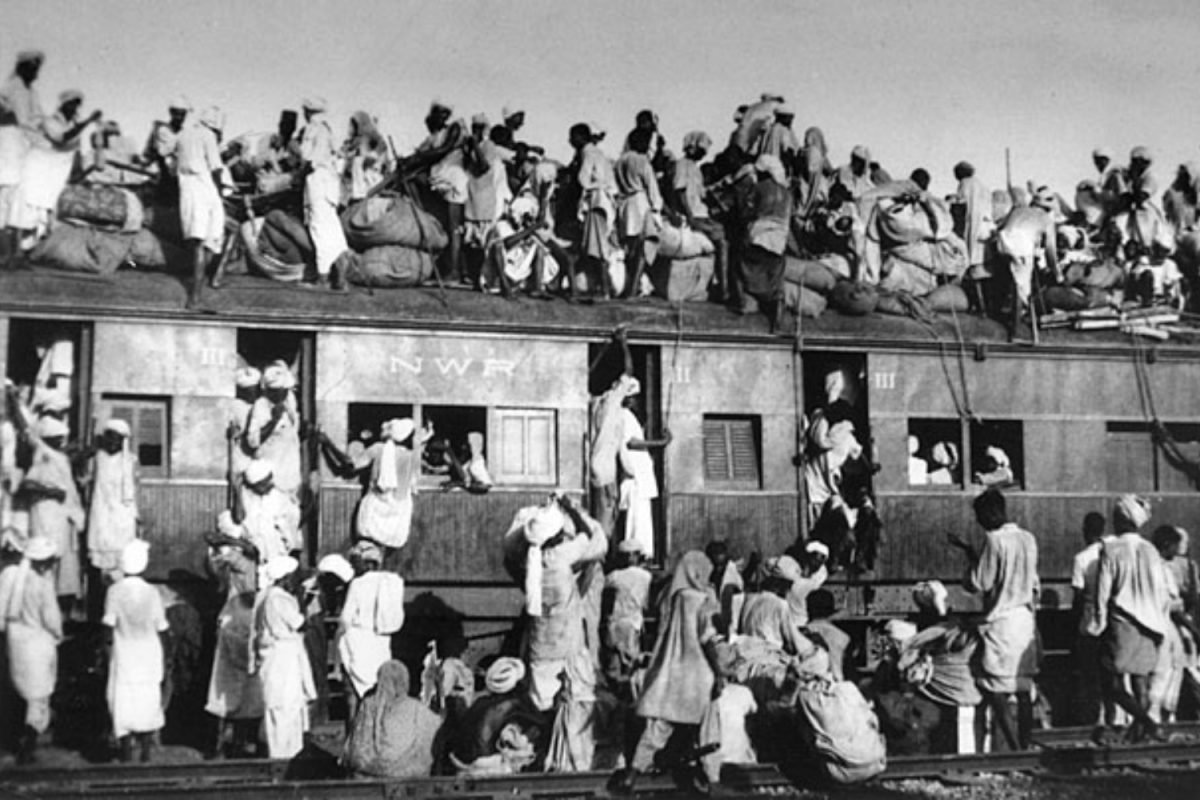
Take a look at India and Pakistan, for example. After World War II, the United Kingdom (UK) began the process of decolonizing India. British officials decided to split the country into two, creating India and Pakistan. But the process, known as the Partition of India, was not peaceful.
Intended to create Muslim-majority and Hindu-majority countries, respectively, the British hastily outlined territories, creating divisions within provinces such as Punjab and Bengal that left Muslims in Hindu territory, and vice versa.
Refugees began the trek to religious safety, but many never made it. Rape, murder, mutilation, and other atrocities brought the death toll of the partition up to 2 million. Muslim, Hindu, and Sikh communities suffered heavy losses, and many families were displaced.
A few miscalculated decisions caused immense violence and suffering. One might argue that the blame lies in religious differences. That’s a legitimate argument. But I believe that it is not the only reason. Because would any of this have happened if the British had simply not colonized India? Would it have happened if the British had not hurried to divide their former colony?
The Partition of India has modern-day consequences as well. In 2025, Indian-held Kashmir was attacked. The Indian government blamed Pakistan for the attack and suspended a significant water treaty between the two nations.
The attack is a representation of how the partition and its enduring colonial legacy continue to impact South Asia to this day. After the partition, India and Pakistan continued to dispute over who the territory belonged to. Pakistan saw it as an extension of itself, while India based its claim on the Instrument of Accession to India, an agreement signed by the maharaja of Kashmir.
Again, would any of this have happened if India had never been colonized, then divided?
Counterarguments point out that religious violence existed centuries before the British even set foot on the subcontinent, or that religious warfare was dominant in places that were not colonized at all. Religious violence did not start with European interference. The original cause of Hindu-Muslim violence, in particular, is not British colonization. But no one can deny that British rule contributed to the bloody events of the Partition of India, which carries a legacy of great loss and tragedy.