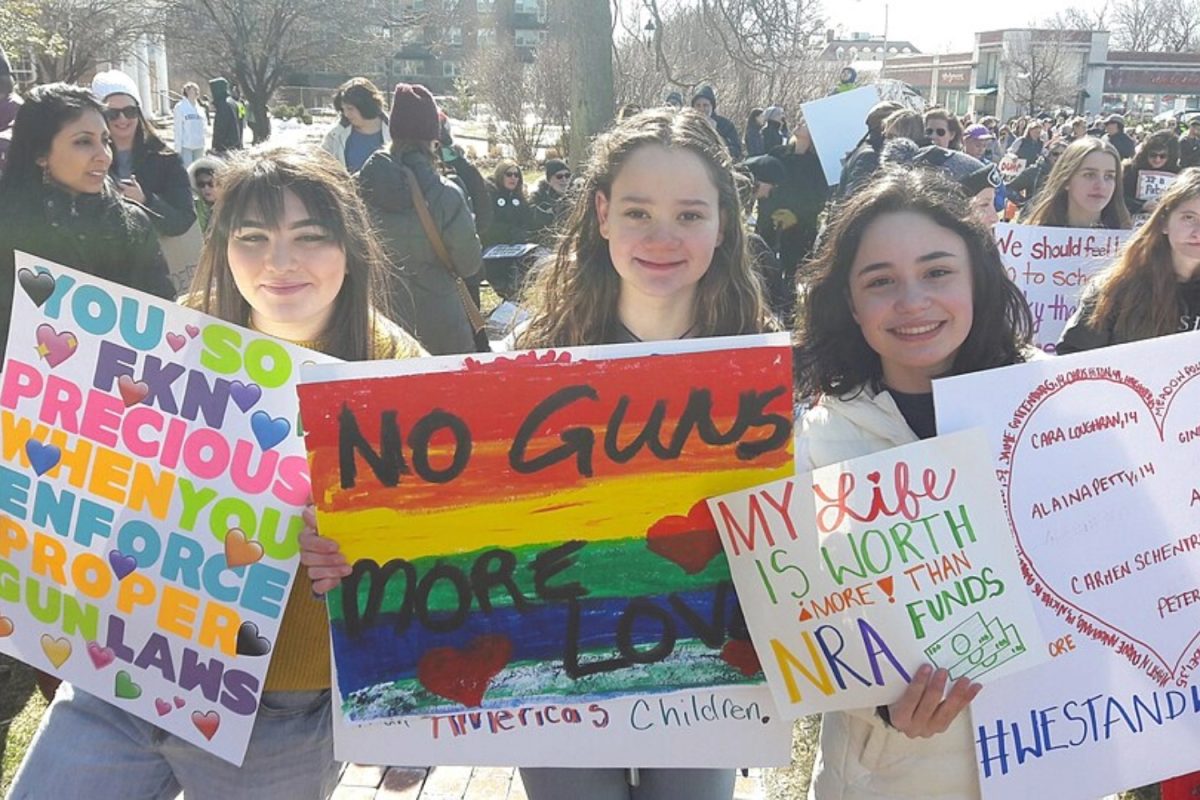
I vividly remember being nine years old, desperately watching YouTube tutorials on how to trick your parents into thinking you were too sick to go to school. To nine-year-old me, school was boring and useless. I have no doubt that many of my peers have similar experiences.
This sentiment against education is not something we outgrow so easily. As a high school student, I hear my friends complain about school and even express a desire to “cut” or skip classes daily. For many students at Carlmont High School, attending classes is exhausting.
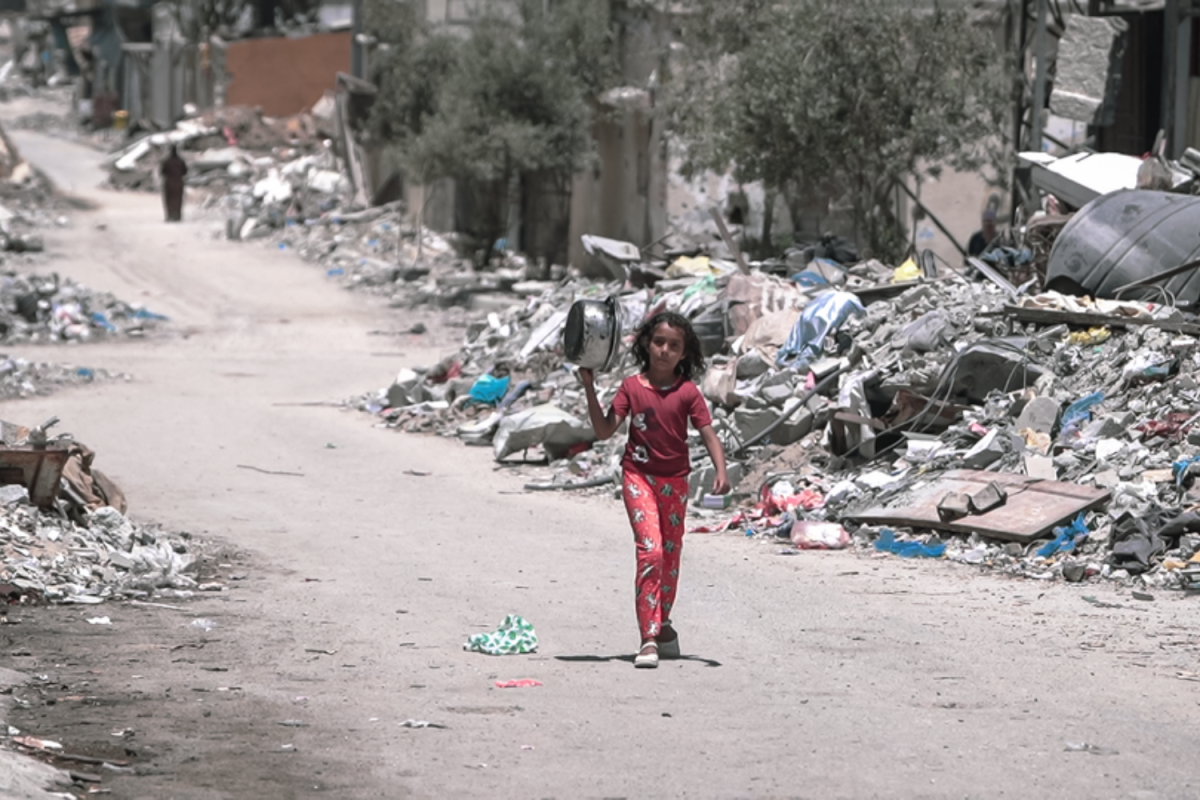
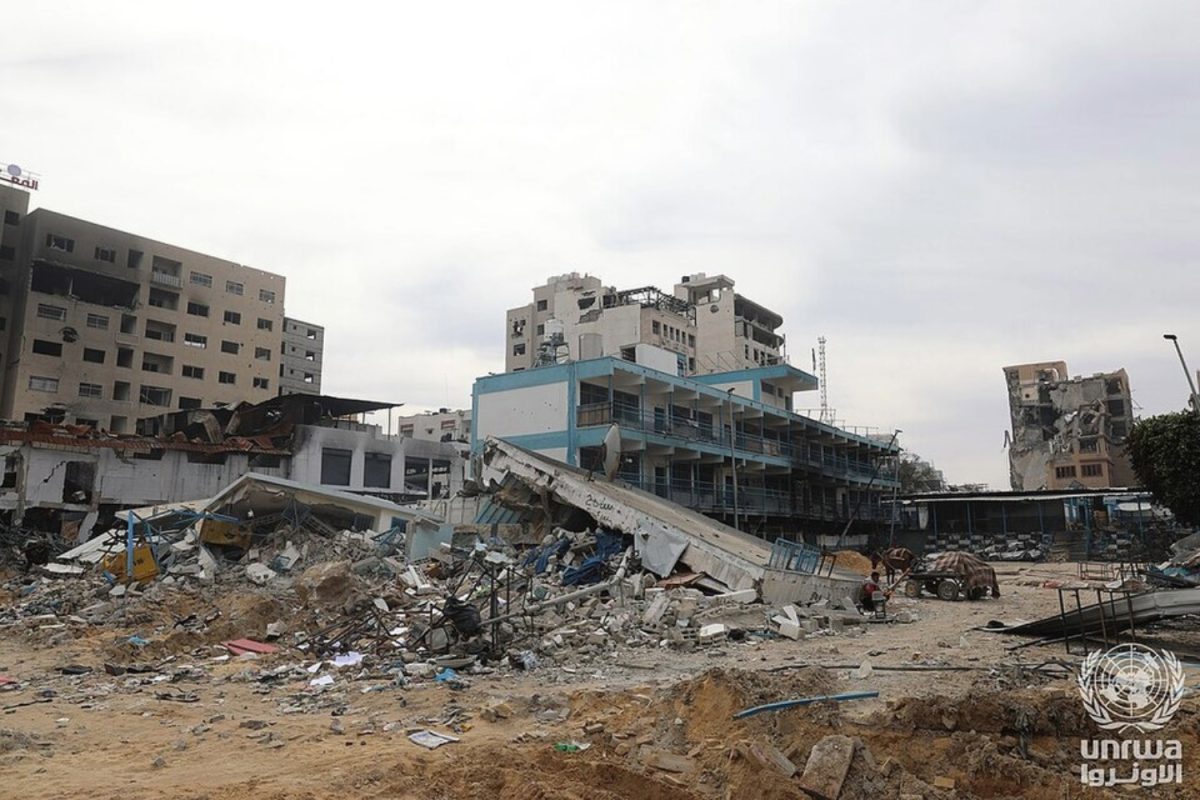
But outside Carlmont’s sunny campus, there is a student in Gaza whose school no longer stands.
At Carlmont and most schools in the Bay Area, a student probably won’t ever imagine their school being destroyed. Yet for 658,000 school-age children in Gaza who have lacked face-to-face academic support for over two years, that is their reality.
How many cherished academic memories have we made in school? From falling asleep during lectures to laughing with friends at lunch, the school building holds some of our core memories.
So, how would it feel to come to school one day and find it flattened by a bomb? To find the quad in ruins, the Performing Arts Center a heap of rubble, and the football field nothing but a smoldering crater? The loss would leave a deep scar in the community’s sense of pride and safety.
If one walks down Carlmont’s halls, they will find students of all gender orientations and backgrounds mingling together. They might hear laughter, a groan about a test, or a piece of gossip about a new couple. Among them will be female students who are free to decide their own educational futures.
Girls, however, have effectively disappeared from Afghan high schools. Since returning to power in 2021, the Taliban has worked to erase education opportunities for girls and women. It has issued more than 70 decrees, banning education for girls above the primary school level, leaving nearly 2.2 million girls without an education.
All of a sudden, promising female doctors and healthcare workers could no longer receive the training they required to save lives. Lives and opportunities will be lost in the name of virtue, all because the government deemed a group unfit for education on the basis of sex.
Many students’ educational experiences in the United States are filled with stress. A 2020 poll by the Yale Center for Emotional Intelligence and the Yale Child Study Center found that nearly 75% of the polled students’ feelings about school were negative.
Yet education is essential. According to the United Nations Educational, Scientific, and Cultural Organization (UNESCO), education allows people to make informed choices about their lives and communities. It lifts people out of poverty.
Carlmont has its own issues as well. From concerns over security cameras to the alleged favoritism of certain sports, Carlmont students are vocal about the issues they believe are paramount to them.
These criticisms are valid. Dismissing frustrations because someone else is suffering more elsewhere is both harmful and unproductive.
But I believe that perspective also matters. Because how many Marie Curies are trapped at home with no opportunity of making groundbreaking discoveries that change the world? How many William Shakespeares are buried under rubble, with no chance to produce works that can survive through centuries, making people laugh and cry? When potential is squashed before it begins and fundamental human rights are violated, it is clear that complaints about a lack of signage around surveillance cameras reflect privilege.
Education should not only be available to those who were fortunate enough to be born in the right place. In a world where education can be denied, those who have it must understand their privilege and work to advocate for those without a voice.
Because when one high school student is sitting in a newly renovated classroom, typing away on a MacBook Pro, while another student on the other side of the world is studying in a bomb shelter, there is something clearly wrong.