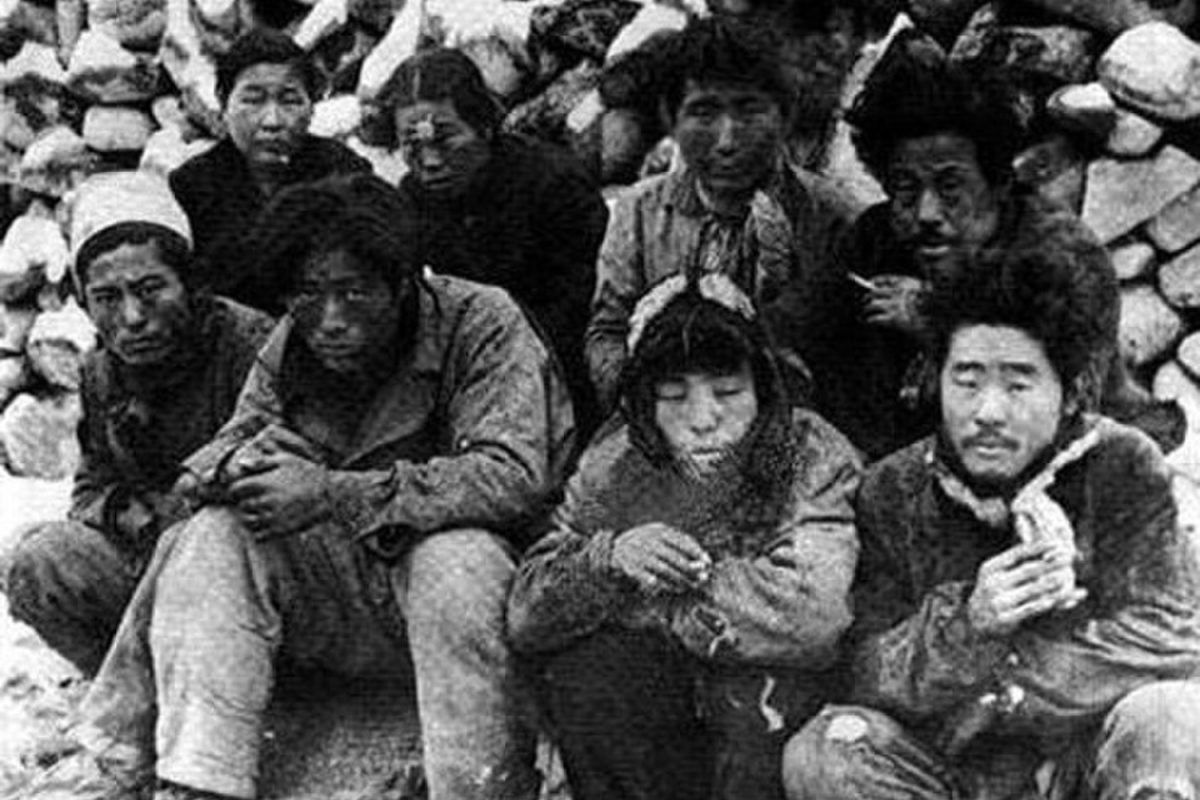
“Along the brow of this hill and down its visible face to the seam of the plain, thousands of black tree trunks jutted from the earth. They varied in height, like a crowd of people ranging in age, and were about as thick as railway sleepers, though nowhere near as straight. Stooped and listing, they gave the impression of a thousand men, women, and haggard children huddling in the snow.”
These are among the opening lines of Nobel Prize laureate Han Kang’s “We Do Not Part.” Its translation from Korean to English in 2025 not only makes the novel more accessible but also catalyzes raising awareness of a tragedy that occurred not too long ago on Korea’s Jeju Island.
Today, Jeju Island is a popular tourist destination known for its beautiful beaches and tranquil atmosphere. Yet what can be overlooked is the deep trauma the island and its people carry from a brutal massacre.
The novel follows Kyungha, whose friend Inseon begs her to save her bird, Ama, when she is unable to. When Kyungha arrives at Inseon’s home on Jeju Island to find Ama, she also uncovers the tragedies that make up the traumatic history of Inseon’s family.
As Han’s writing transcends between past and present, readers are swept between Kyungha’s current perspective on Jeju Island and the memories of a massacre.
Many, especially the people of Jeju Island, were unhappy with American rule after World War II. In the 1940s, under the supervision of the U.S. military, the Korean government launched a mission to rid the island of alleged “communists” and other dissidents.
Under its supervision, right-wing Korean groups burned villages and slaughtered indiscriminately, executing men, women, and children. 30,000 people were murdered, 10% of the island’s population wiped out, according to the Korean Quarterly. The South Korean government formally acknowledged its role in the massacre in 2003, decades after the tragedy occurred.
Yet some groups deny that the tragedy occurred. The massacres have undergone revisionist history, where the victims are blamed. American students barely learn about their country’s role in the massacre.
It is not a required key concept in the Advanced Placement (AP) U.S. History class; a review of course materials affirms this. Perhaps the worst of all, the American government has still not formally apologized for its role in the tragedy.
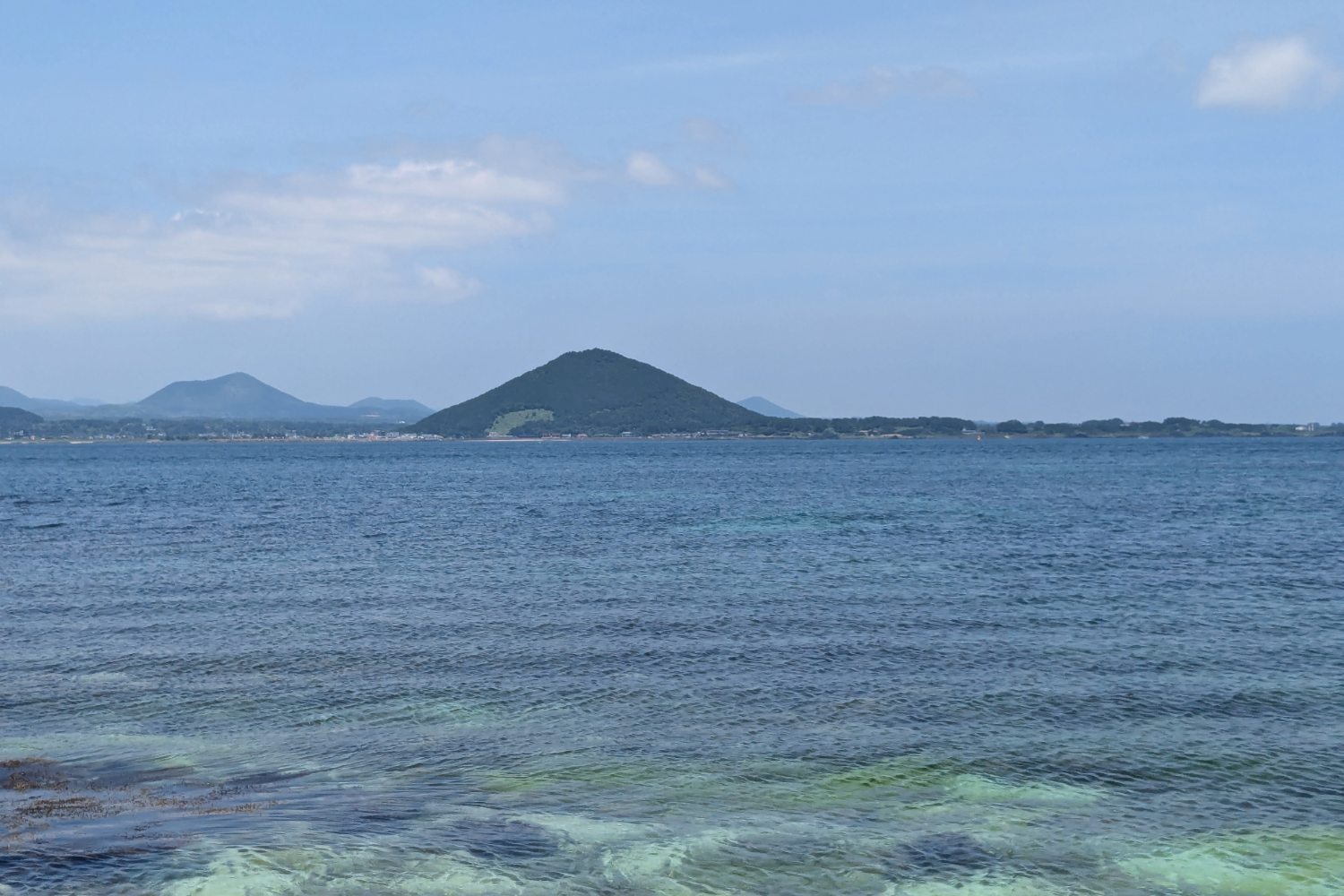
In the summer of 2025, I visited Jeju Island with my family. The weather was perfect, sunny and bright. The sand was warm, the water crystal clear. Haenyeo, or Jeju’s fisherwomen, harvested delicious seafood for us to enjoy. It was hard to believe that something bad could have happened here.
At a museum commemorating the victims of the Jeju Massacre, however, the true horror of history was on full view. Paintings of burning villages and other atrocities were scattered across the walls. We observed recreations of the real burial sites in the caves of Jeju, where skeletal remains of the dead were found. It was a stark contrast to the ambiance and paradise that we had enjoyed.
Some might say that it is pointless to learn about history that occurred so long ago. But in the museum lobby, “We Do Not Part” was prominently displayed. This refutes any idea that a book cannot do anything.
The novel’s place in the museum indicates that it was significant to the victims and their advocates. Overall, Han’s Nobel Prize win was not just a step towards South Korea gaining international recognition for its literature, but also towards acknowledging and bringing awareness to traumas that have been discarded for too long.
Han’s novel offers us a chance to learn about the trauma that affects a place many people see as perfect. The topics explored in the novel and the history behind it go beyond Jeju Island. It teaches us that political labels can cause tragedy, especially in a time when our own president attacks his enemies by calling them “communists.”
That same name was plastered on the residents of Jeju Island and used as a reason for the massacre.
Books that focus on historical events