
In Hollywood, talent isn’t always discovered — sometimes, it’s inherited.
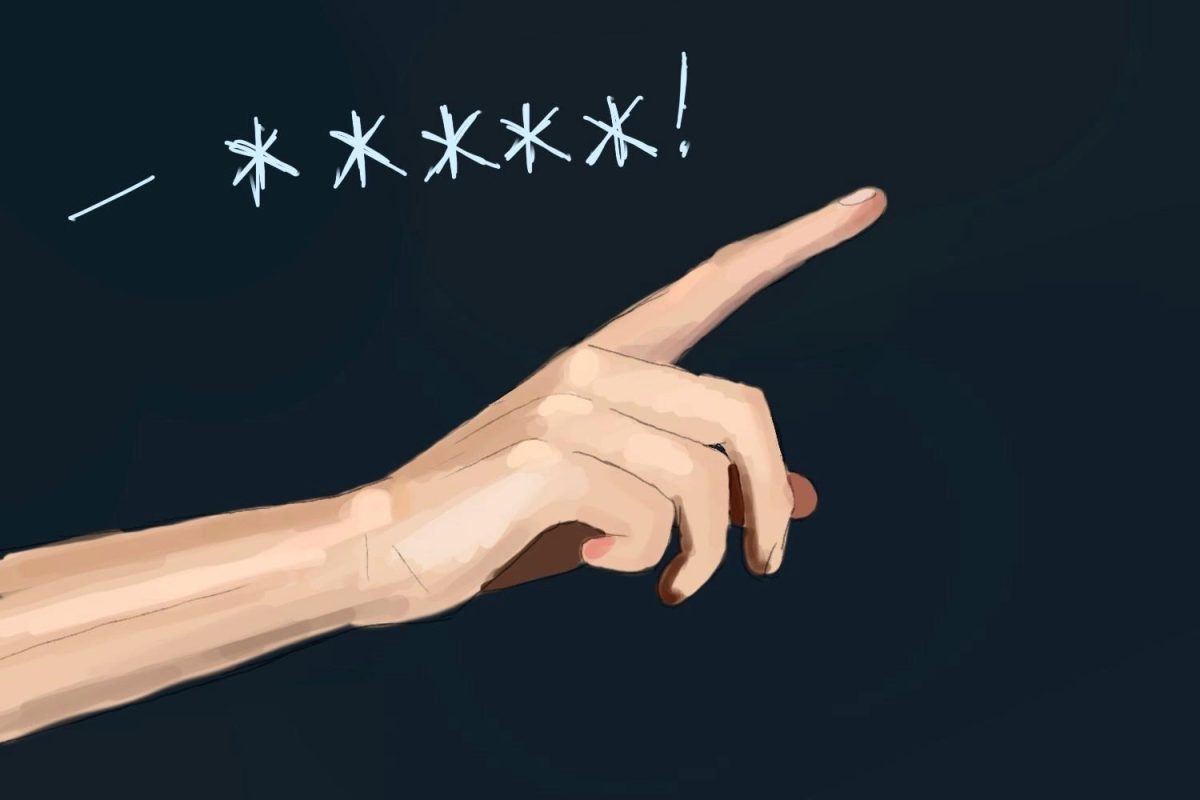
Nepotism, defined as the practice of giving opportunities to relatives or family friends, has long been an open secret and a building block of the entertainment industry.
But in recent years, the “nepo baby” conversation has blown up online as more people begin to question whether success in Hollywood really depends on hard work and talent — or if it’s just about having the right connections.
From Maya Hawke to Lily-Rose Depp, many well-known actors are children of already famous figures within the industry. Some of these actors embrace this and don’t shy away from the ties that helped them get started, while others try to bury their family names and insist they succeeded on their own.
As this continues, the debate rages on about whether it’s truly possible to separate opportunity from privilege — and if the playing field was ever really level to begin with.
The reality is that nepotism isn’t always about direct favoritism — it’s about access. When your parents’ friends are studio executives or casting directors, you don’t have to send cold emails or stand in line for auditions. You grow up surrounded by the industry’s language, culture, and connections. That familiarity is a kind of unspoken training ground — one most aspiring filmmakers never get.
Of course, being a “nepo baby” doesn’t guarantee talent. The industry is still fiercely competitive, and audiences are quick to call out subpar performances.
But while nepotism doesn’t promise success, it definitely provides a safety net. A failed audition or bad review won’t necessarily end a career when family ties can open another door.
The problem isn’t that Hollywood’s elite support their kids — it’s that these opportunities often come at the expense of fresh voices. For every director’s son cast in a Netflix show, there’s an independent filmmaker who never got a callback because they didn’t have the same connections.
The result is an industry that recycles the same perspectives while shutting out stories that could challenge or diversify what we see on screen.
Still, it’s important to recognize nuance. Some “nepo babies” are genuinely talented artists who make real contributions to film. Many people even argue that those who grew up in the industry end up being better at their jobs simply because they’ve had more exposure — they’ve spent their lives watching what works and what doesn’t.
What bothers people isn’t the existence of nepotism — it’s the pretense that their paths were the same as everyone else’s.
At its core, the nepotism debate isn’t just about fairness, but also honesty. Audiences don’t necessarily resent privilege, but more so denial. Admitting that success came with a head start doesn’t diminish talent. It shows awareness of a system built on inequality.
In reality, nepotism is a part of life. Whether someone’s parents work at a bank or own a grocery store, those examples still count as forms of nepotism.
But the issue feels more personal when it comes to film and entertainment. Many believe these fields are supposed to be talent-based, where creativity and originality matter most.
If every perspective, film, and performance comes from a similar background, it can feel like the innovation and diversity that once defined the film industry are slowly being washed away.
Hollywood loves a good redemption story. Maybe the next one will be about an industry that finally makes space for all kinds of people, not just the ones born into the industry.