
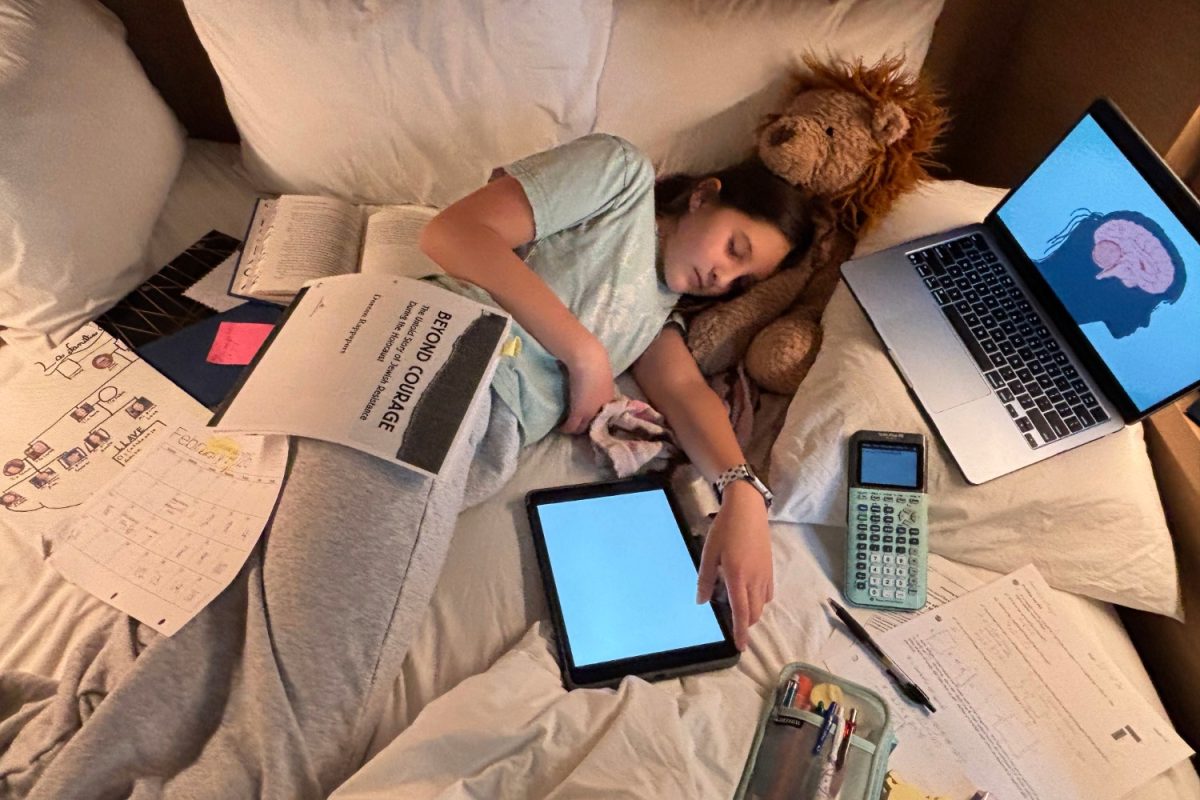
In an era of scrolling, swiping, and instant gratification, many young people are finding it increasingly challenging to focus. Between short-form videos, constant notifications, and an endless stream of content, psychologists say today’s digital landscape may be reshaping the way the adolescent brains processes information.
New research suggests that the risks go far beyond mere distraction.
A study from the University of Southern California (USC), published in the Journal of the American Medical Association, found that heavy social media usage among high school students had a 53% higher chance of developing new attention deficit hyperactivity disorder (ADHD) symptoms over two years. None of the 2,800 teens involved had ADHD symptoms at the start.
For many researchers, the findings raise concerns about how constant digital stimulation may be changing the developing brain.
A growing digital dependency
According to Samantha Dogadkin, a neurological therapist, the shift in teen attention spans is impossible to ignore.
“So much of what young people take in today is instant,” Dogadkin said. “We are conditioned to want things urgently. Ten years ago, there wasn’t this level of speed or the expectation that everything would be immediate.”
Dogadkin explained that while social media does not create ADHD, it can worsen symptoms in people who already have underlying attention vulnerabilities.
“It’s not likely to cause ADHD, to my knowledge,” Dogadkin said. “But someone who already struggles with attention is often seeking instant gratification. Social media gives that instantly. With dopamine-seeking brains, the habit keeps building until the stimulation becomes something they feel like they need.”
Dogadkin’s concerns align closely with the USC study, which found a correlation between heavy social media use and an increase in new attention problems. Teens who frequently use social media were significantly more likely to exhibit symptoms of hyperactivity, impulsivity and difficulty concentrating.
“Social media overload can affect mood, motivation, self-esteem and everything,” Dogadkin said. “You’re taking in so much at once.”
The algorithm effect
According to Dogadkin, the risk of social media isn’t only about speed; it’s about repetition.
For teens who already struggle with obsessive-compulsive disorder (OCD)-like thinking, social media can strengthen those patterns.
“If someone is hyper-fixated on their body, their algorithm fills with body content,” Dogadkin said. “If they’re anxious, they’ll get anxious. Social media allows you to fixate even further, which can exacerbate symptoms.”
She believes that while social media has increased mental health awareness, it has also heightened the intensity of symptoms in vulnerable teens.
“There’s a positive side,” Dogadkin said. “More young people are learning about mental health, and more conversations are happening openly. But the overstimulation is real, and it’s powerful.”
Dogadkin noted that even adults struggle with phone addiction, often modeling the same behaviors they warn teens about.
“We’re supposed to monitor ourselves, and teach that most of us are addicted, too,” Dogadkin said. “Teens have grown up watching us on our phones.”
Other signs may include a decline in grades, unfinished work, and difficulty completing tasks without checking the phone. This can lead to staying up late scrolling, followed by spending hours on homework afterward, and a loss of interest in activities that aren’t screen-based.
“It might feel good to rest for four hours after school,” Dogadkin said. “But it’s not ideal for development.”
Students feel the shift firsthand
For many teenagers, the effects of digital overload are already a part of their daily lives.
Aaliyah Moreno, a 14-year-old freshman at Design Tech High School, finds that social media has had a significant impact on her ability to focus.
“Yes, social media affects it because it basically rots your brain,” Moreno said. “Your brain ends up relying on dopamine, and you start searching for the same dopamine levels when doing basic tasks.”
Moreno believes the design of the platforms themselves plays a significant role.
“Notifications and updates are the most distracting,” Moreno said. “You can switch videos anytime, and in real life, you can’t. It makes it harder to sit and watch something for a long time.”
Another student, who asked to remain anonymous, said the problem is more subtle but constantly present.
“I get distracted all the time,” he said. “Apps like TikTok and Instagram make it harder to stay focused.”
He said short videos are the hardest to resist, and without them, “anything that doesn’t relate to text-based content” would be the most challenging part to give up.
Both students reported that their attention spans have noticeably changed over the past few years, and both agree that social media plays a significant role in this change.
Finding help without fear
For teens anxious about medication or diagnosis, Dogadkin emphasizes the importance of open communication and reassurance.
“There’s a lot of stigma around ADHD behaviors,” Dogadkin said. “People get called lazy, messy, unorganized, and impulsive. Social media, ironically, has helped some people see that these things are manageable.”
While Dogadkin encourages professional evaluation, Dogadkin acknowledges that many teens first learn about their symptoms through relatable content on YouTube, TikTok, or Instagram.
“You can come across great strategies online,” Dogadkin said. “But it’s better to run things through a therapist who can track what you’ve tried and what hasn’t worked.”
Dogadkin said that sometimes therapy alone is enough, but other times, medication becomes an essential tool when months pass without improvement.
“Having support helps teens feel less alone,” Dogadkin said. “Knowing they have options makes a difference.”
A complex future ahead
Researchers estimate 5% of children and 2% of adults have ADHD, but Dogadkin believes those numbers may rise as digital environments continue to evolve.
With more teens turning to screens for entertainment, communication, and self-expression, the concern isn’t just the content; it’s the constant stimulation that shapes developing brains.
“We’re taking in more than ever before,” Dogadkin said. “If we’re not intentional about controlling it, it will control us.”
For now, Dogadkin’s encourages families to set screen time boundaries and monitor usage, not as punishment, but as a form of protection.
“Attention is a muscle,” Dogadkin said. “Without practice, it gets weaker.”