The recent hantavirus outbreak is rapidly gaining attention on social media, spreading fear and misinformation following an outbreak aboard the Dutch cruise ship MV Hondius.
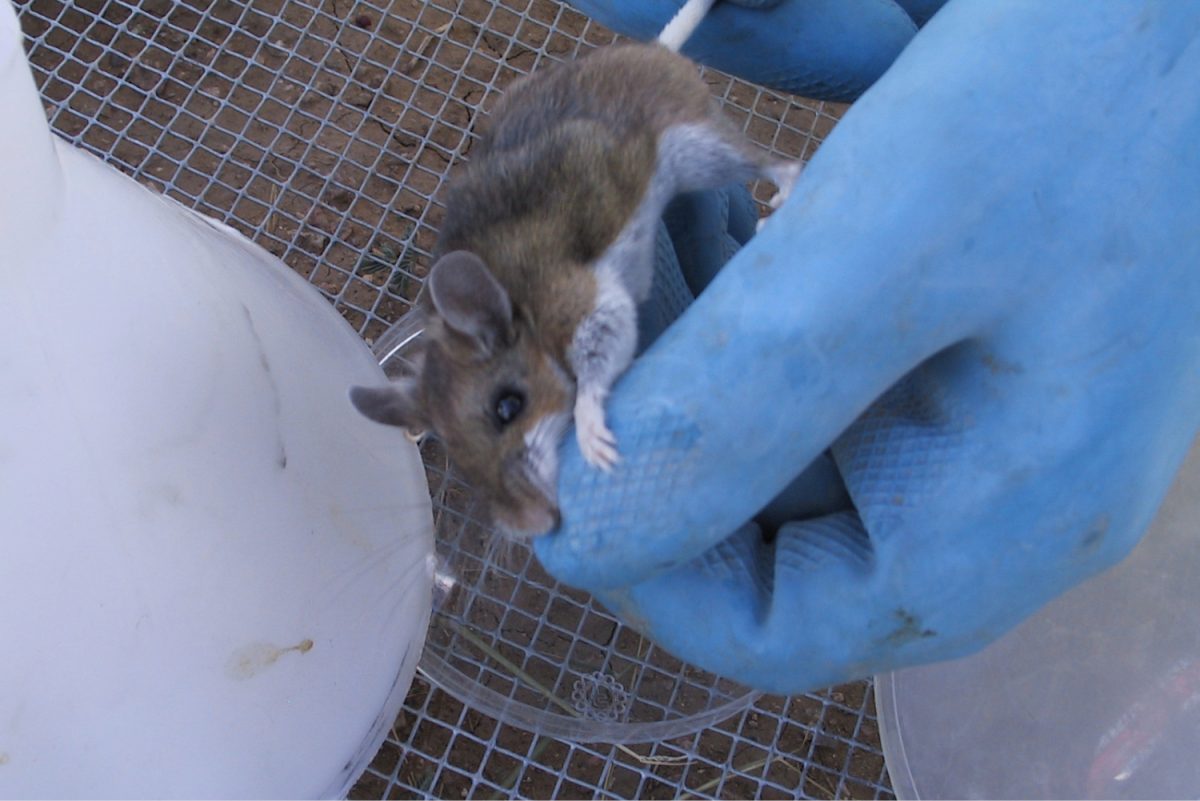
Following the initial outbreak, hantavirus, a centuries old disease, has left many individuals frightened, although contracting the disease itself is very rare. According to a report from the Centers for Disease Control and Prevention (CDC), this strain, called the Andes virus, is special because it “is the only type of hantavirus that has been documented to spread from person-to-person.”
As of now, there is no known cure for hantavirus, and delaying care can be fatal. According to the CDC, “among patients who have severe respiratory symptoms, the case fatality rate has been estimated at approximately 38%.”
However, it is unlikely that people will catch the virus itself. According to Seth Blumberg, an infectious disease specialist at the University of California, San Francisco (UCSF), the virus is unlikely to spread through casual contact; therefore, the chance of it reaching the general population is low.
“Right now, the individual risk of acquiring any type of hantavirus is very, very low. So any information that suggests we need to change our behavior in the near term is not going to be very helpful because of too much alarm,” Blumberg said.
Although hantavirus can be transmitted from human-to-human, it does not do so easily, making it very unlikely to cause the next pandemic. According to the European Centre for Disease Prevention and Control, “In most cases, there is an incubation period of approximately two to four weeks,” which further helps to control the spread.
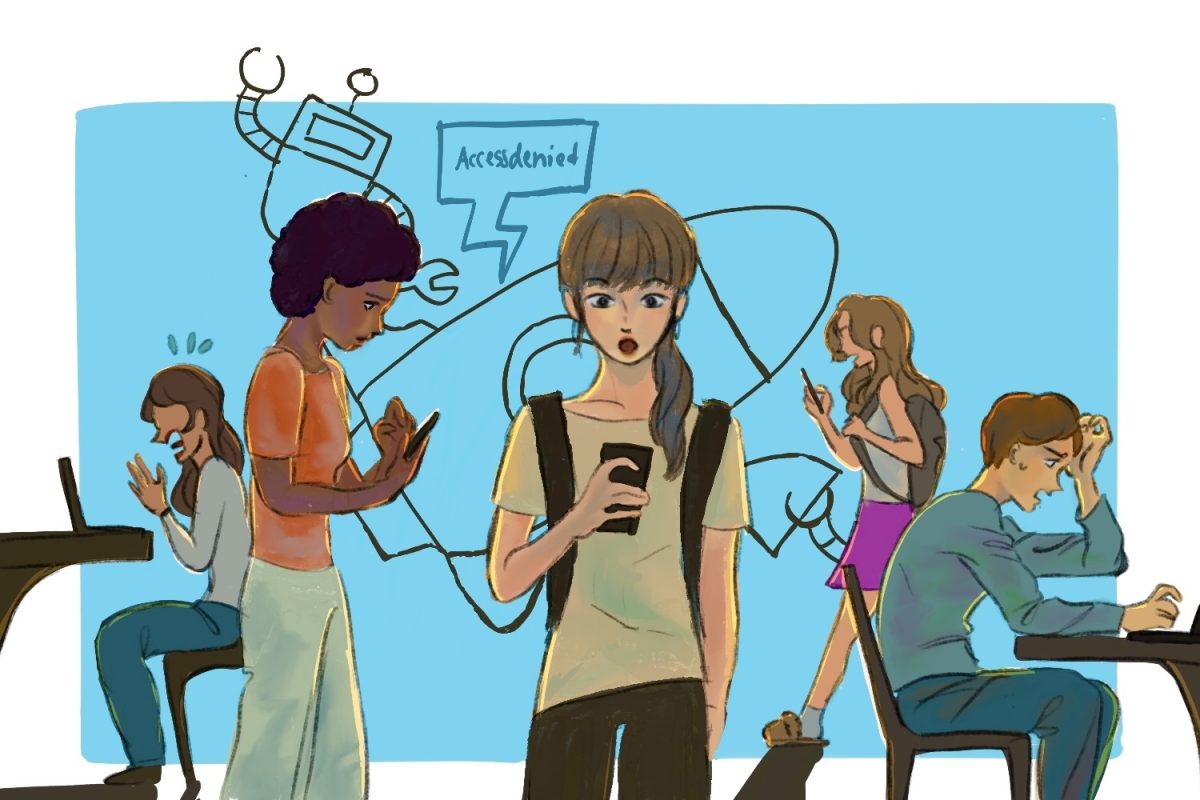
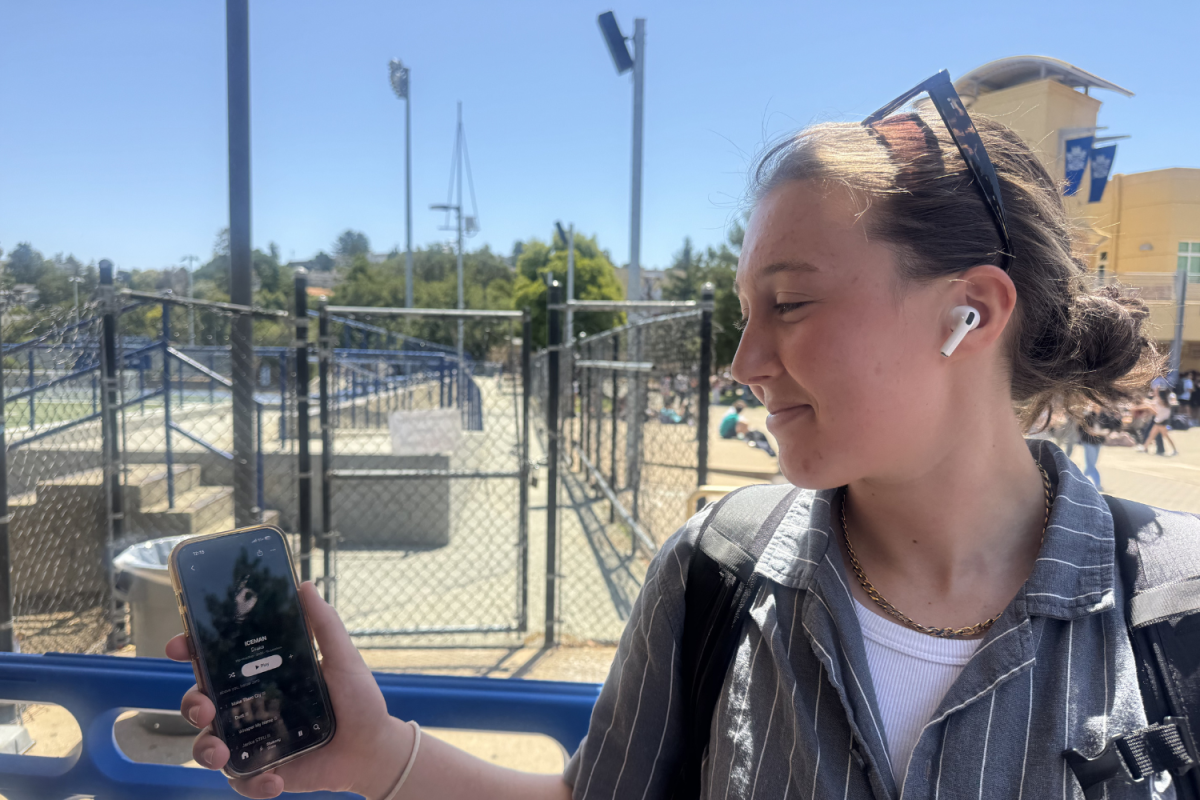
Nevertheless, social media has accelerated its coverage nationwide. For Kristen Liu, a junior at Northern Valley Regional High School at Demarest in New Jersey, the virus was brought to her attention through TikTok. According to Liu, “breaking news” or clickbait titles about potential cases near her created unnecessary fear over a low-risk scenario.
“My initial reaction was shock, and I was also anxious about the virus, especially due to the mass production of videos around it and the largely concerned feedback from the comment section,” Liu said.
The threat of this new virus is not as alarming to others. Kylee Cheng, a sophomore at South San Francisco High School, didn’t read much into it.
“I saw it probably for like two days straight, and I haven’t seen much about it after that,” Cheng said.
According to Cheng, the virus’ recurring social media presence has reduced its perceived threat. She said that if the threat were closer to us, it would feel more real.
“You kind of just keep hearing the same thing, but like, nothing is happening,” Cheng said.
A common comparison on social media right now is between hantavirus and COVID-19. Liu said it made hantavirus feel more serious and like more of a risk.
“I feel that ‘Covid 2.0’ and the connection between COVID-19 and this new virus further boosted hysteria because people did not want 2020 recurring,” Liu said.
Hantavirus is different from other diseases we’ve seen, like COVID-19. According to Pharma Now, although COVID-19 and Hantavirus are both RNA viruses, they differ in their primary transmission routes, fatality rates, and other characteristics, making them very different. Blumberg says a major difference is the infectious period.
“One of the unique things about hantavirus is that the infectious period is thought to be quite short. So instead of it being a few days, as is typical of most respiratory viruses, it seems like the virus may only be infectious for four hours,” Blumberg said.
According to NBC, another main difference is that “it tends to settle deeper in the lungs, rather than in the upper airways,” and “the virus can inflame blood vessels, making it difficult for a person to get enough oxygen.”
While this virus has proven to be dangerous if contracted, social media has misconstrued information.
“Information is useful to the extent that it’s reliable. So the biggest concern is what misinformation spreads because that can cause people either to overreact or underreact, depending on the kind of information,” Blumberg said.
Misinformation and vague information are everywhere. Although it is easy to trust posts that make large claims, people should hesitate before trusting them.
“I think I would likely be more wary of posts that have extreme titles such as ‘10 confirmed dead in New Jersey’ because any source that has bold claims are usually only trying to catch the attention of their audience,” Liu said.
As of right now, hantavirus does not pose a threat to us. Blumberg said the largest concern would be if someone who was not on the cruise ship tested positive for the virus, as was seen with COVID-19, but currently, people should be concerned over the circulation of misinformation.
“A lot of that comes down to trying to help people distinguish what are the most reliable sources of information and strengthening trust between our scientific infrastructure, public health infrastructure, and the general public,” Blumberg said. “Unfortunately, in recent years, I think that’s become politicized, which has made it difficult to separate politics from the science.”
Hantavirus’ social media presence has been defined by popular opinions and fear that this may be the next pandemic, revealing the implications of social media exaggeration.
“The content was definitely exaggerated, and the fact that the topic became viral further pushed it out and made it into something more serious than it actually is,” Liu said.