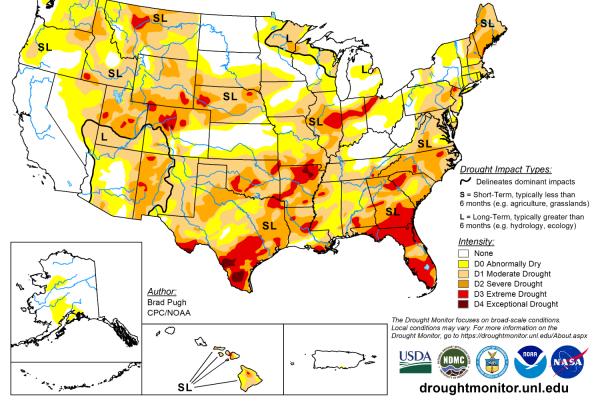
The entire state of California is now fully free of any drought or dryness, according to the U.S. Drought Monitor.
The last time this happened was in 2000, and since then, California has experienced two of its worst droughts, from 2011-2017, and from 2020-2022.
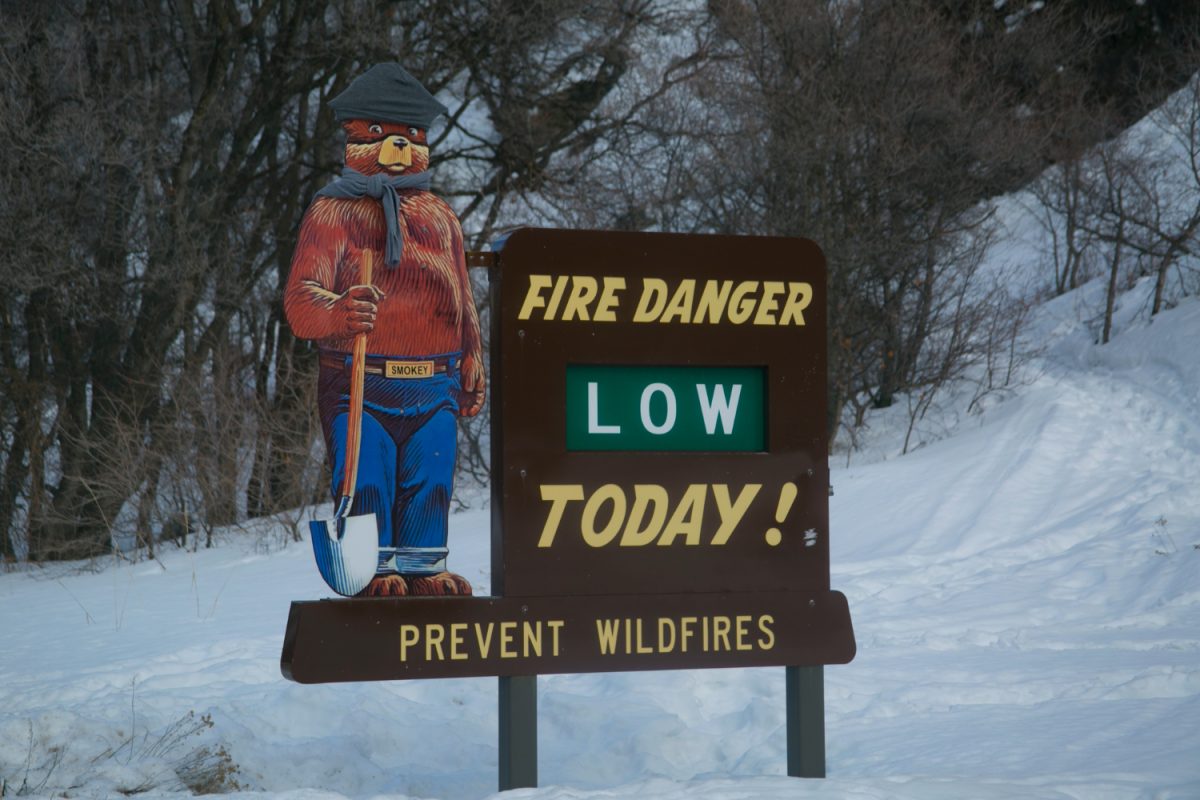
The lack of drought in California comes after many large winter storms this year that engulfed much of the state and brought much-needed precipitation. As a result, many of California’s reservoirs are at above-average capacities, and the wildfire risk in California is extremely low.
However, Ed Fletcher, an information officer for the California Department of Forestry and Fire Protection (CAL FIRE), warns people that wildfires still pose a significant risk to California.
“Additional precipitation may delay the timing of peak fire activity, but California’s climate still leads to seasonal drying that allows fires to occur,” Fletcher said.
One of the most recent examples of continued fire risk, even with wet winters, was the Los Angeles fires in early 2025. The previous year had precipitation that was above average, but the fires were still extremely deadly, killing 31 people and destroying more than 18,000 homes.
“California’s climate in the 21st century has been marked by increasingly dramatic swings between extreme conditions. California has the most variable season-to-season climate in the continental U.S., so it is always possible to swing between extreme wet and dry conditions,” said Jason Ince, an information officer at the California Department of Water Resources.
“The temporary end of drought conditions does not eliminate wildfire risk in California. As the year progresses, grasses, brush, and other vegetation will dry and become available fuel,” Fletcher said.
As a result, Fletcher suggests using this time of low fire risk to prepare for future dry seasons where wildfires might be prevalent.
For years, people have been told about the importance of water conservation in California. Even though the state is no longer in a drought, water conservation needs to continue.
“My parents always told me to take short showers, and use water efficiently,” said Parker Timbol, a sophomore at Carlmont High School.
Policies like these that save small amounts of water can make a huge difference statewide or nationwide. While they are extremely important during droughts, it is just as important to continue these policies outside of droughts.
“I don’t think my water consumption will change,” Timbol said. “I think that generally conserving water is really helpful, especially if done on a large scale.”
Furthermore, droughts are recurring events in California, so the state might see another drought within a few years.
“In California, water conservation needs to be a way of life. Although reservoir conditions and water supplies are currently good, recent extreme dry and hot summers have shown how quickly conditions can change,” Ince said.
With the inconsistent climate of California in mind, the Department of Water Resources in California is also exploring new technologies to help mitigate the shift between dry season and wet season. They have been exploring ways to store more water, including ways to store flood water underground.
Drought and dryness will continue to affect California, and wildfires will continue to burn. However, governments at both the state and national levels are working together to find solutions to help the people of California.
“The absence of official drought conditions does not mean California’s water needs have been fully met or that wildfire risk has disappeared. Snowpack, soil moisture, and long-term climate trends all influence fire conditions,” Fletcher said.