
When an unexpected outbreak of hantavirus occurred on a cruise ship, governments and their health organizations around the globe scrambled to contain the virus, leading to much confusion among the general public.
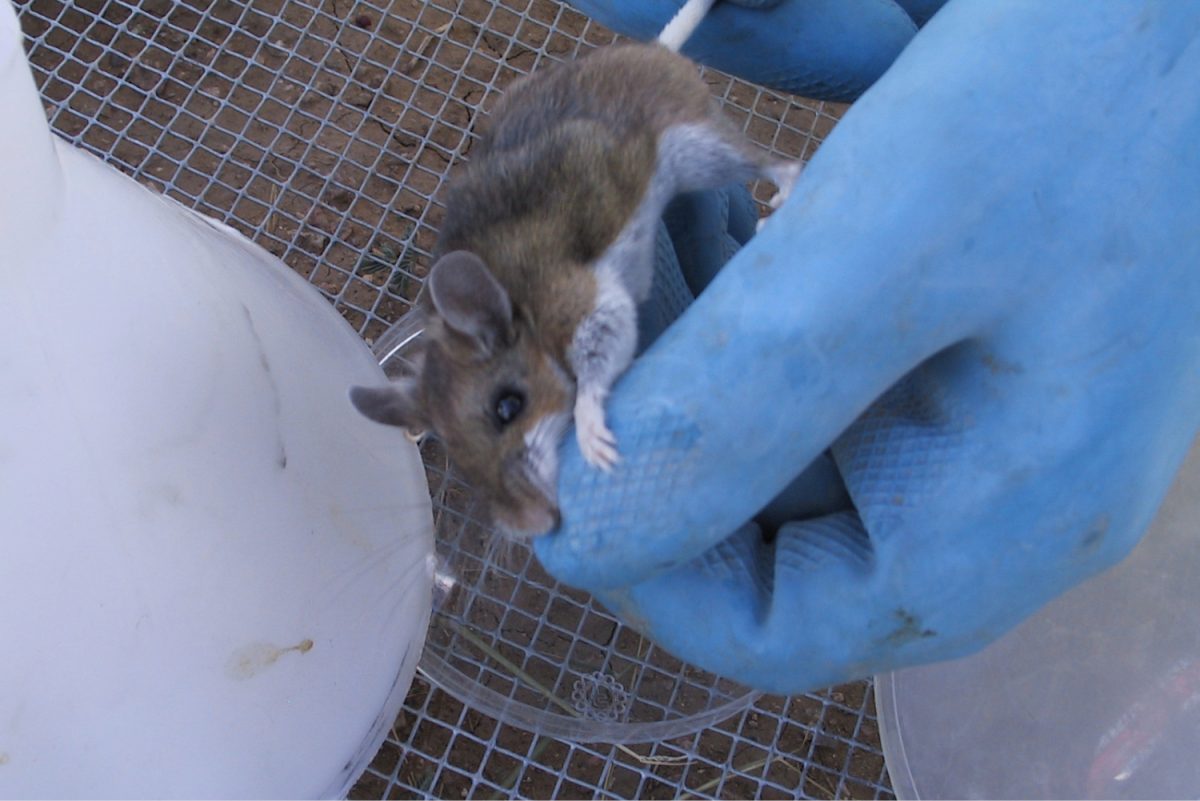
In late April and early May, an outbreak of an extremely rare and deadly virus, hantavirus, was reported on the MV Hondius, a cruise ship. The outbreak was caused by a rare strain of the virus, known as the Andes virus, which can be transmitted from person to person, whereas other variants are only transmitted by rodents.
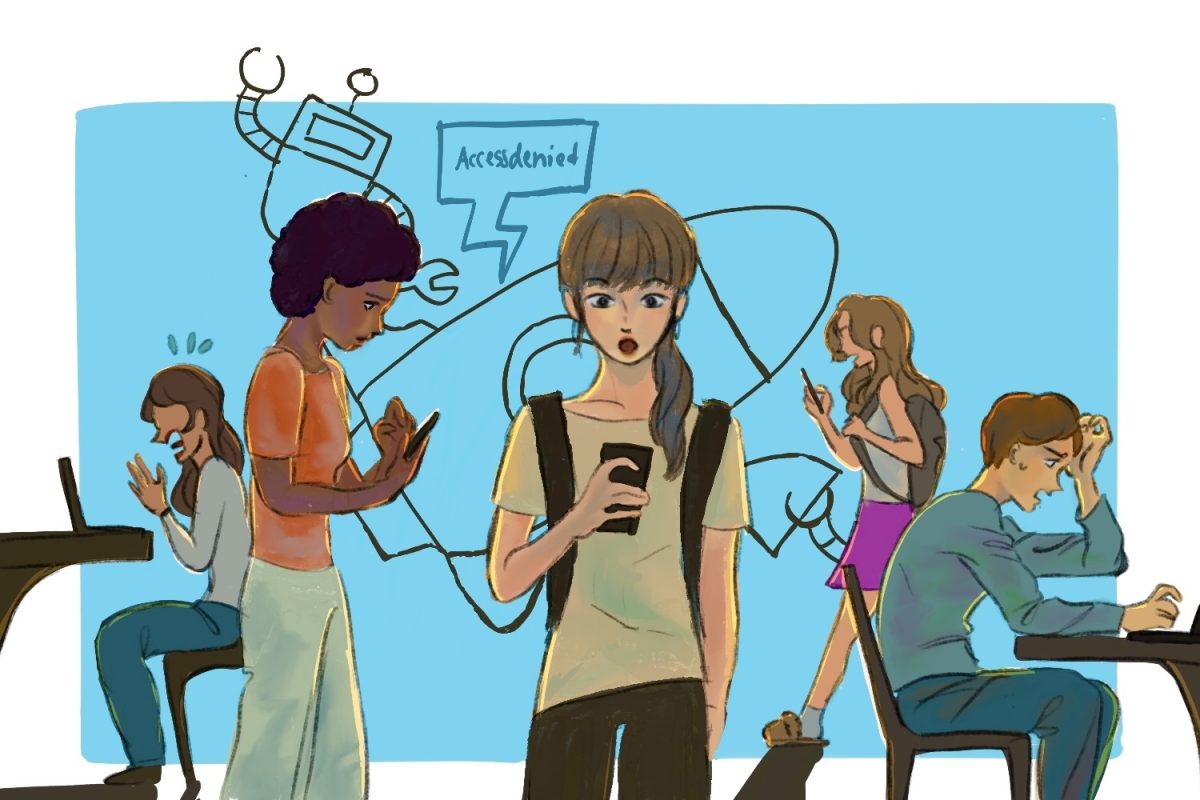
Because the virus has a high lethality rate of 20-40%, it is considered a major health risk by the World Health Organization (WHO). As a result, many travelers from the cruise were ordered to isolate for up to 42 days, creating confusion and criticism, since government officials had previously claimed the virus was not a major threat. Due to the unclear communication, along with social media spreading misinformation about the virus, there has been confusion among much of the public on the true severity of the virus.
“Clear communication is essential during any health emergency because it helps people understand what is happening and what actions they can take to stay safe. It also reduces confusion, prevents misinformation from spreading, and builds trust between the community and public health agencies,” said Tamta Mchedlishvili, a health education program coordinator at San Mateo County Health.
Public health agencies defended the lengthy quarantines by citing the hantavirus’s long incubation period. However, many people have questioned the variations in restrictions depending on the passenger’s home country.
“Outbreaks can change quickly, so our response plans must adapt as new data becomes available,” Mchedlishvili said.
This outbreak serves as a reminder of the importance of public health and the measures needed to combat the spread of infectious diseases. With the COVID-19 pandemic in recent memory, infectious diseases have been an important issue for many citizens, and the response of the governments has been even more so. The inconsistency contributed to ongoing debates over individual freedoms and whether authorities are overreacting to a relatively small outbreak.
“I think having stricter quarantine restrictions is a good idea in this case, as the consequences of letting them go are a lot worse than the ones from making them quarantine,” said Noah Monsler, a sophomore at Carlmont High School.
The topic also highlights a larger issue with modern public health: the growing politicization. As people begin to view scientifically based recommendations based on their own political and ideological beliefs rather than medical evidence, issues like vaccines that have been accepted for long stretches of time are now being questioned again.
“I think the U.S. is on a decline in public health, especially if we look at the way we handled hantavirus,” said Parker Timbol, a sophomore at Carlmont High School.
Although the risk of an individual contracting hantavirus is extremely low, the situation serves as a reminder of the importance of public communication about infectious diseases. Still, most experts agree that the outbreak is not a threat to the general public, due to the low rates of transmission, as well as the efforts by health organizations to quickly trace passengers and isolate possible cases.
“We understand that the current situation brings back echoes of COVID-19 for many, but there are important differences between the viruses that make it much less likely we’ll see a lot of Andes hantavirus cases,” Mchedlishvili said. “The rodents that carry the Andes Hantavirus do not live in the United States, so the risk to the public remains extremely low.”