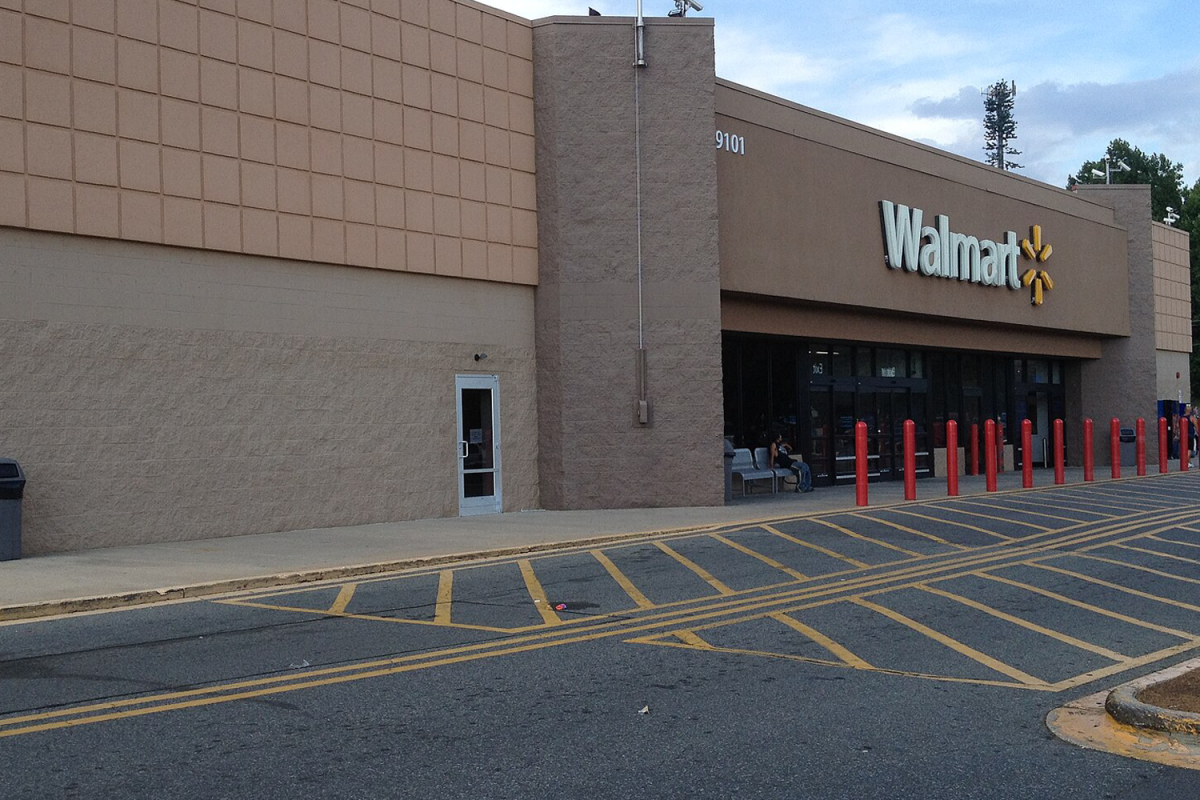
Walmart has agreed to pay $100 million to settle a lawsuit alleging that it misrepresented base pay and tip amounts for its delivery drivers.
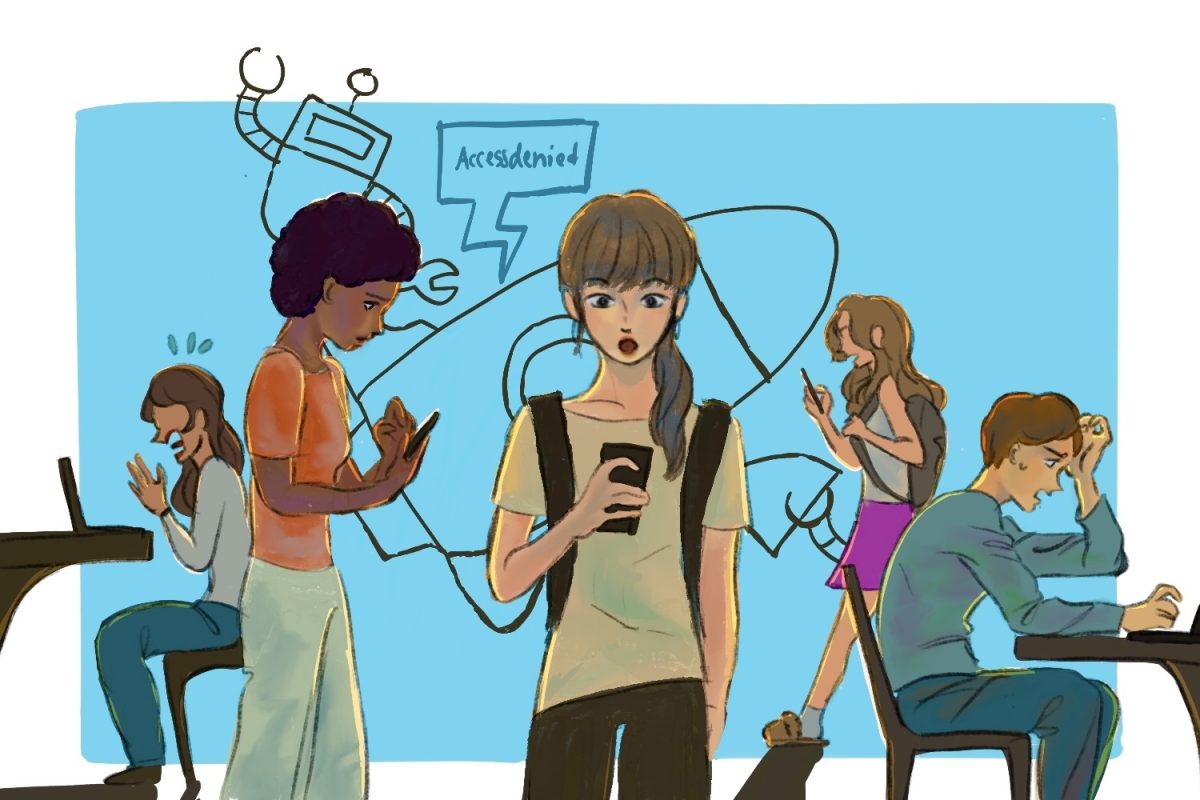
The Federal Trade Commission (FTC) filed a complaint against Walmart, saying that it showed inflated payment amounts to its drivers on the delivery platform Spark.
Sara Brittain, a sophomore at Carlmont High School, has used Spark before to order items from Walmart for delivery.
“I used it once before to order protein bars, and I just used the app and selected what I wanted. Then I was paired with a driver, and it got delivered,” Brittain said.
The app functions similarly to other delivery services. Spark drivers are gig workers, meaning they do temporary, on-demand freelance work, according to an FTC consumer alert.
“It’s most similar to DoorDash, if anything. I feel like it was a lot more convenient than Amazon in the sense that it was an app and it was a lot quicker,” Brittain said.
Spark displayed tip amounts to drivers based on expectations rather than confirmed amounts; if a certain customer chose to tip less than anticipated, the driver would lose this money. Additionally, Walmart falsely claimed to customers that 100% of tips would go to drivers.
“If there are promises of tips and they don’t get them, there is an argument that is a breach of contract. California Labor Code says that employers have to follow these rules when dealing with employees. If it violates those rules, that is a statutory violation of the labor code,” said Steven Friedlander, an attorney specializing in employment litigation and counseling and founder of the Silicon Valley Employment Law Firm (SVELF).
As part of the complaint, the FTC claimed that Walmart’s practices violated the Gramm-Leach-Bliley Act by collecting drivers’ financial information and then providing them with inaccurate salary information. As part of a settlement, Walmart was proposed to implement an earnings verification program to demonstrate that drivers are paid what they are promised, among other things.
When the FTC is not involved, employees have to fight legal battles on their own. Organizations like Legal Aid at Work provide free legal services for workers.
Samuel Aber is a staff attorney in the Wage Protection Program at Legal Aid at Work. He represents workers who are victims of wage theft.
“We support people who are paid less than the minimum wage,” Aber said.
For example, Aber represented workers at a grocery store on a night shift who were independent contractors paid less than the minimum wage. He helped them receive proper compensation for their work.
“Employees have rights that are contractual if someone promises them something. This is under the law, which can be a specific statute, or it can be based on case law,” Friedlander said.
Ronny Flannery is a member of the staff collective at the Southern Maine Workers Center, which has led community-building and policy initiatives to reach workers in his community. For example, the staff led a policy initiative to ensure every worker in the state had access to paid sick days.
“Usually, it looks like grassroots solutions, policy solutions, and community building. What are the different ways that we can help poor and working-class people who have been excluded and whose labor is severely undervalued?” Flannery said.
The organization works by encouraging local workers to share their stories so they can work together to create change, according to Flannery.
“Our focus is on establishing relationships with accountability and trust, and towards long-term power,” Flannery said.