
Allegations of sexual abuse against labor and civil rights leader Cesar Chavez have sparked nationwide renamings of public institutions, removal of monuments, and cancellations of annual celebrations honoring his legacy.
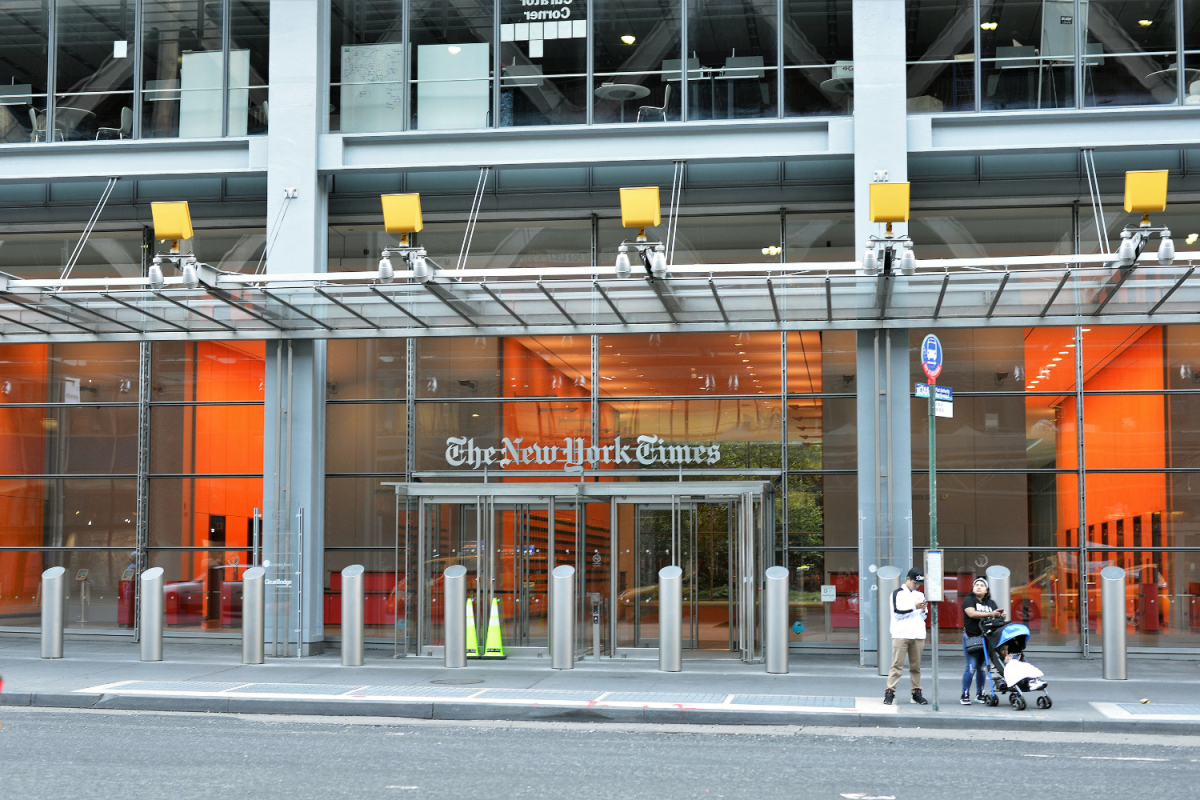
The controversy follows a recent investigation by The New York Times, which published accusations from dozens of women accusing Chavez of sexual abuse, including against minors.
Among the most significant accusations was that of fellow activist and co-founder of the United Farm Workers (UFW), Dolores Huerta.
Prior to these allegations, Chavez was widely regarded as one of the most influential labor leaders in American history.
Born in Arizona, he rose to prominence after moving to California, where he advocated for improving the rights and conditions of farmworkers and laborers, and, as a consequence, became an inspiration to many Latino communities.
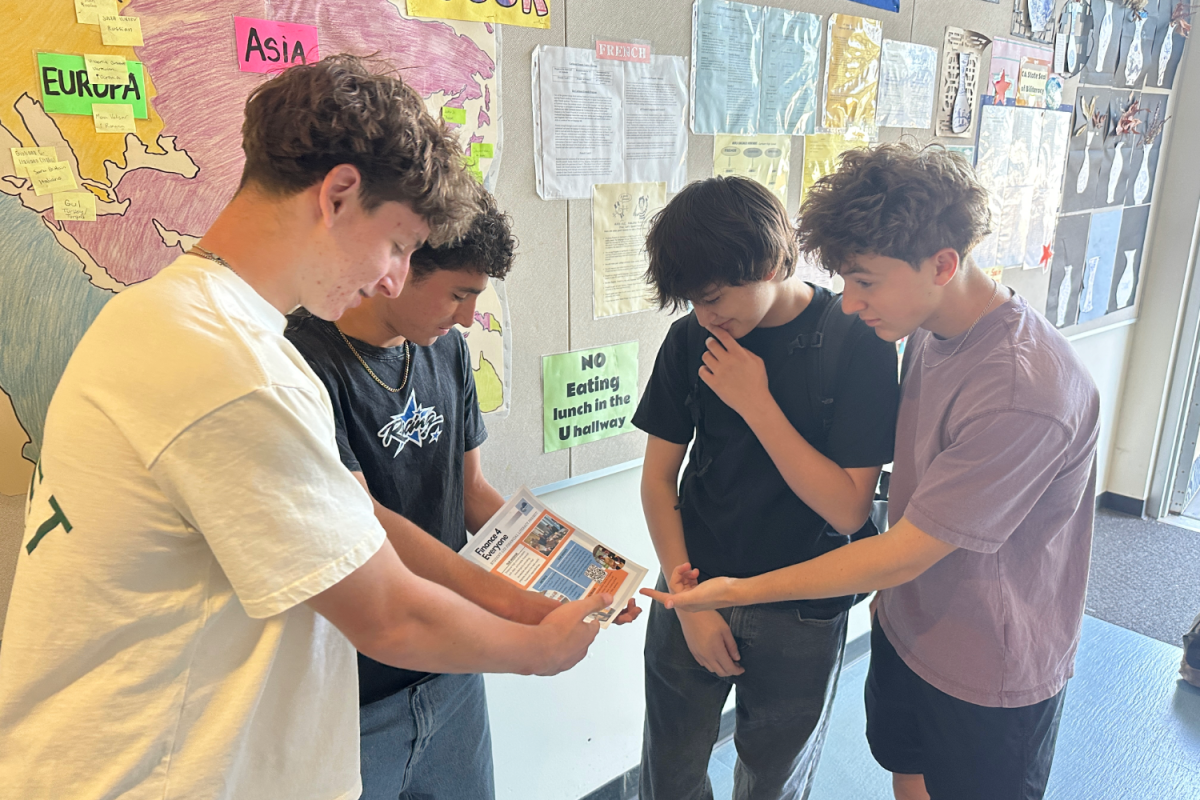
“I was disappointed because such a large figure should be how he is portrayed in the media, so to see that everything he did, especially after seeing how my parents and family regarded him, is disappointing,” said Emilio Camacho-Fuentes, a Latino Carlmont sophomore.
Throughout the 1960s, 1970s, and 1980s, Chavez led nonviolent protests and boycotts, including the historic Delano grape strike of 1965 and the Salad Bowl strike of 1970.
As he rose in political and social prominence, he worked with then-California Gov. Jerry Brown to pass several landmark laws protecting farmworkers’ rights.
Despite his death in 1993, his legacy continued to grow when he was posthumously awarded the Presidential Medal of Freedom by then-President Bill Clinton in 1994. He remained an enduring symbol of labor activism and an icon for many Latinos.
“This guy was a symbol for so many of my people for so long. He was someone who was seen and talked about by so many, and he represented my culture and heritage,” Camacho-Fuentes said.
March 31, Chavez’s birthday, was designated a federal commemorative holiday, and his legacy was honored through schools, streets, and public memorials across the country.
In a Times investigation published March 18, 2026, Chavez was accused of engaging in a pattern of sexual abuse spanning several decades. Two women alleged that Chavez had raped them repeatedly between 1972 and 1977 when they were 12 and 13 years old.
Both girls had parents and other family ties in the union, and said they were groomed by Chavez from as early as 8 years old.
Additional allegations from at least a dozen other women described harassment, coercion, and sexual abuse within the UFW.
Huerta later published via Medium that she had been raped by Chavez in the 1970s on two separate occasions, resulting in two unwanted pregnancies.
“I kept a secret because I believed that exposing the truth would hurt the farmworker movement I have spent my entire life fighting for. I was not the only one,” Huerta said in a statement.
Huerta arranged for others to raise these children, and their parentage was only revealed a few weeks before the investigation. The Times confirmed their paternity with a DNA test.
Immediately following the allegations, states, cities, organizations, and institutions of higher education were quick to distance themselves from Chavez.
Many organizations that once allied with Chavez condemned the actions of Chavez and canceled their Cesar Chavez Day festivities. “It is shocking, indefensible, and something we are taking seriously,” said the UFW in a press release.
The California History Museum announced that it would remove Chavez from California’s Hall of Fame, the first removal in history.
The Cesar Chavez Foundation also released a statement expressing support for survivors and shifting the movement off of Chavez.
“The Movement was built by thousands of ordinary women, men, and families from all walks of life who sacrificed for justice they believed in,” the Cesar Chavez Foundation said.
This idea has been echoed by educators who teach about Chavez in their curriculum.
“We tend to boil these movements down to one person in particular, but it’s really more of everyone else who is involved,” said Jeffrey Tanguay, a Carlmont ethnic studies teacher.
In Dallas, city officials recommended replacing Cesar Chavez Day with Dolores Huerta Day. Texas Gov. Greg Abbott proposed removing him entirely from school curricula and ending observance of the day.
“I don’t think it’s really fair for us to say that because this person did bad things, we should not talk about that. We just have to realize that humans are capable of terrible things, acknowledge that, and move on,” Tanguay said.
California’s institutions of higher education, including the University of California (UC) Berkeley, Sonoma State, and Santa Ana College, began removing or concealing monuments and murals dedicated to Chavez.
The California Assembly passed legislation to rename Cesar Chavez Day to Farm Workers Day. City officials supported this, including Los Angeles Mayor Karen Bass and San Diego Mayor Todd Gloria, signing proclamations to rename Cesar Chavez Day and remove him from government structures.
“When allegations like these come out, their name should be removed from plazas and holidays because obviously what he did was not right, and I don’t think you should honor someone, even if he did do good things; he wasn’t all that good. We should honor his purpose instead of honoring him,” said Ava Rafii, a Carlmont junior.
As schools, governments, and communities reckon with this new reality about Chavez, the concern of how to approach his legacy and what to educate about him persists.
“It’s still important to put in curriculums that he was a main leader and a strong activist in helping these movements, but you also can’t forget or leave behind what he did. You have to recognize those parts, too,” Rafii said.