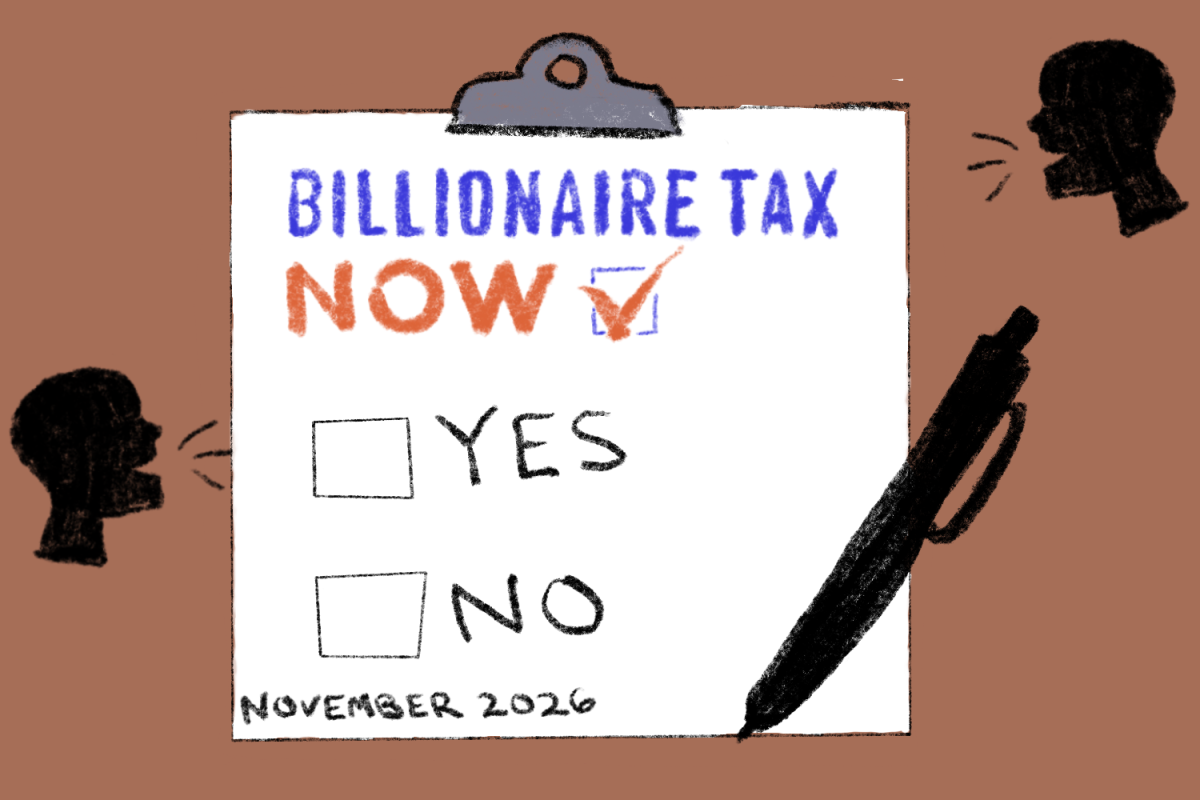
A proposed wealth tax backed by nearly 1.6 million signatures has qualified for California’s November ballot, sparking statewide debate over economic fairness and healthcare funding.
The Billionaire Tax Now coalition, primarily sponsored by Service Employees International Union-United Healthcare Workers West (SEIU-UHW), would impose a one-time 5% tax on the roughly 200 Californians with a net worth of over $1 billion. According to a spokesperson* for the coalition, the California Billionaire Tax Act was created in direct response to the $100 billion in federal cuts included in H.R.1, or the One Big Beautiful Bill Act.
H.R. 1 is expected to cut $30 billion in federal Medi-Cal funding each year, potentially leaving up to 3.4 million state residents without coverage. The bill could also cost California between $2.3 billion and $5.1 billion annually in food assistance alone, putting more than three million households at risk of losing some or all of their CalFresh benefits, according to the California Budget and Policy Center.
“The coalition is proposing a one-time, emergency tax on the state’s billionaires who pay far lower effective tax rates than what working people pay out of every paycheck,” the spokesperson said.
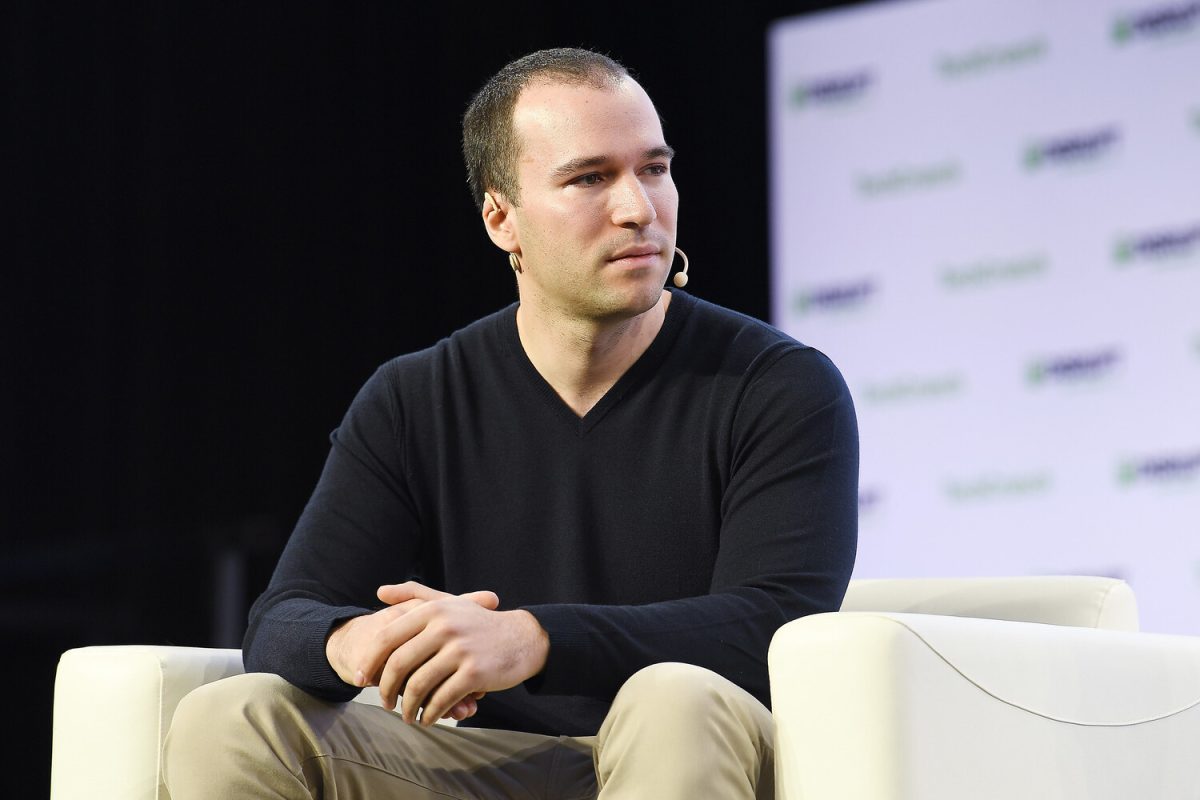
However, groups have formed in opposition to this initiative as well. Building a Better California was founded in January 2026 by Google co-founder Sergey Brin and former Google Chief Executive Officer (CEO) Eric Schmidt as a pro-business advocacy group, and is widely understood to have formed in direct response to the billionaire tax proposal.
The Billionaire Tax Now coalition argues that the revenue is urgently needed. “Without a solution, impending federal budget cuts to healthcare, K-14 public education, and food assistance will impact absolutely everyone, including children, people with disabilities, and seniors,” the spokesperson said. The coalition estimates the tax would generate about $100 billion over five years.
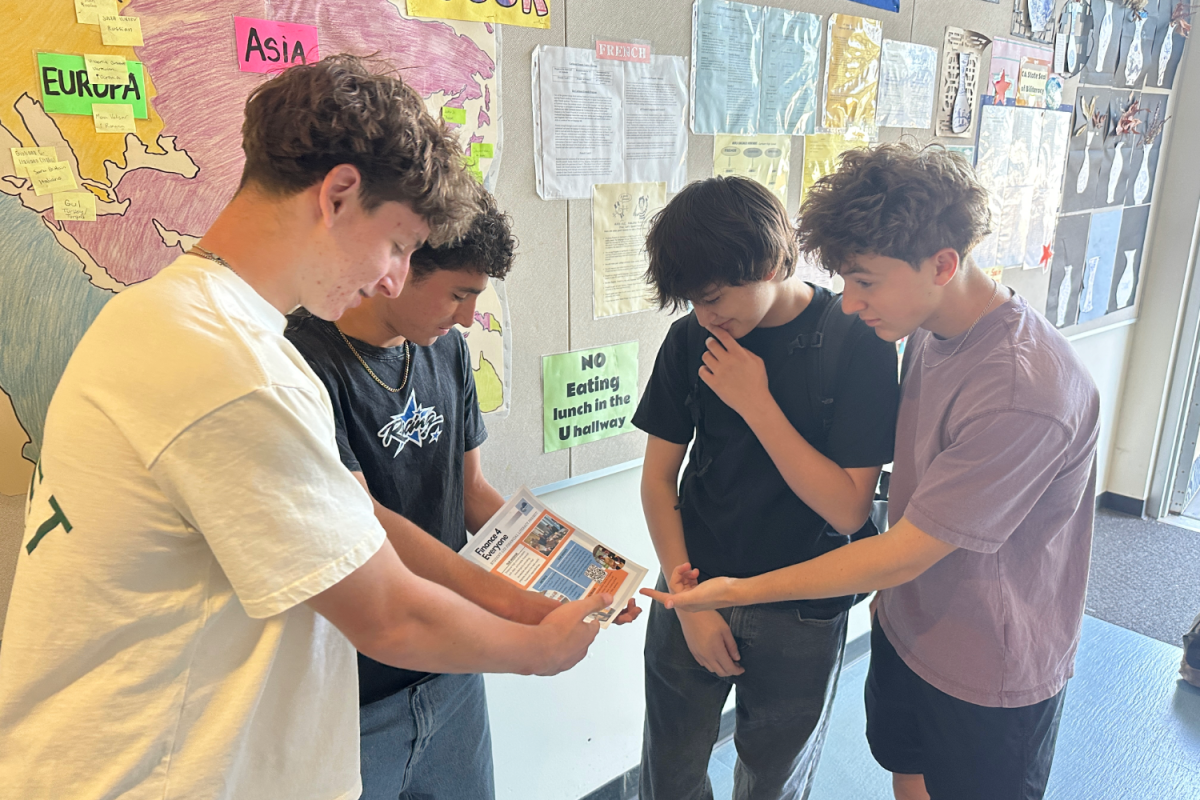
The argument is backed by some in the community. “Low or middle income students or families have to pay like 4% to 8% while billionaires pay like 1% to 2%,” said Ethan Ty, a Carlmont junior and Bay Area regional director for California High School Democrats. “That’s why I’m cautiously supportive, because I feel like what the Democrats are trying to push out is a good thing, especially since they’re trying to pave a way for healthcare to be accessible for everyone.”
Still, Ty acknowledged the risks. “If this was implemented incorrectly, a lot of billionaires would try to relocate. Them leaving the state would probably destroy the infrastructure of Silicon Valley and tech companies around here,” Ty said.
The point of billionaires leaving is a concern often raised by opponents of the initiative. California Gov. Gavin Newsom, a Democrat, has publicly opposed the measure, arguing that it would backfire.
“The impact of a one-time tax does not solve an ongoing structural challenge,” Newsom told Bloomberg. He warned that the tax “will reduce investments in education, firefighting, and police” as billionaires leave and shrink the state’s tax base.
Critics of the tax go further, questioning the entire premise. “I keep asking people, what’s a fair share? And people go off and say, well, their tax bracket is too low or whatever,” said Kenneth Dulaney, a Redwood City senior who opposes the measure.
Dulaney also pushed back on the idea that billionaires aren’t contributing their share.
“Billionaires give money to charities all the time — huge amounts of money,” Dulaney said. “They also get a lot of credit for making investments in businesses.”
“Voters must ask: Is the state a good steward of the money it already has?” Dulaney said.
However, a poll taken March 9-15, 2026, by the Institute of Governmental Studies (IGS) at the University of California, Berkeley found that a majority of registered voters in California favor the tax, at 52%. Furthermore, the split is clearly divided by party and political leanings, with Democrats and liberals in favor and Republicans and conservatives opposed.
For high schoolers, the Billionaire Tax Now coalition hopes young people will take away “that change is possible,” the spokesperson said.
“I would recommend getting involved just in politics in general. Maybe interning for your local congressman, interning for your local rep, for your district,” Ty said. “Those are just a few initiatives that could probably help encourage high school political activism.”
*This source’s name is hidden to protect them from emotional harm. For more information on Carlmont Media’s anonymous sourcing, check out Scot’s Scoop Anonymous Sourcing Policy.