
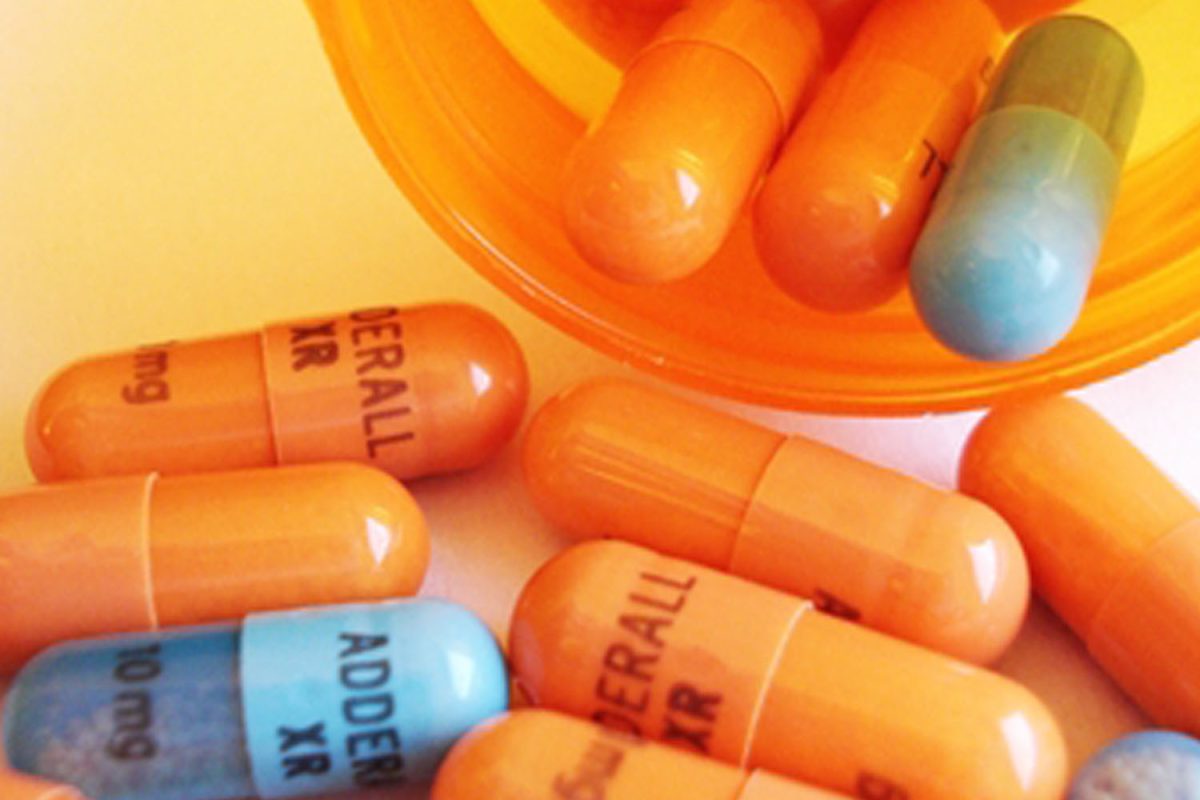
Misleading social media ads by Done., a telemedicine startup, perpetuated a health fraud scheme that involved the fraudulent prescription of $100 million worth of Adderall.
Done. sells treatment plans for attention-deficit hyperactivity disorder (ADHD) that include video conferences with psychiatrists. Done. CEO Ruthia He and clinical president David Brody schemed to illegally distribute Adderall, a prescription medication to treat ADHD, according to the Office of Public Affairs of the U.S. Department of Justice (DOJ). They were convicted of illegal distribution of Adderall and fraud by a federal jury in San Francisco on Nov. 18, 2025, according to the U.S. Drug Enforcement Administration (DEA).
According to the DOJ, Americans who disliked the unstructured nature of their lives during the COVID-19 pandemic were targeted by Done.’s ads and convinced that they had ADHD. Additionally, targeted Adderall ads were directed at those seeking pills without a legal prescription. He bribed nurses to illegally refill prescriptions and allowed patients to receive prescriptions for years without clinical interaction through auto-refilling orders.
He and Brody continued the fraud despite their patients experiencing substance abuse, addiction, and overdose, according to the DEA. This was perpetuated by their social media advertisements, which cost $40 million to produce during the early 2020s.
TikTok and Instagram creators were paid to make skit ads about ADHD and sell Adderall, according to SFGATE.
According to a research report in the British Medical Journal authored by Emma Gram on Oct. 5, 2025, misleading medical information is more likely to reach large audiences due to the rise of social media. A study conducted by the Journal of the American Medical Association (JAMA) Network found that out of 982 social media posts about medical tests from accounts with a total of over 194 million followers, only 14.7% mentioned potential harms.
Alina Robinson, a sophomore at Carlmont High School, says she has come across misleading information on social media.
“A lot of people believe in misinformation on social media because of the confidence that a lot of users post misinformation with,” Robinson said.
Ella Needleman, another sophomore at Carlmont High School, has also come across such content.
“I’ve seen medical ads and edited videos or false information about medicine that is edited and changed to create this storyline that is not necessarily true,” Needleman said.
Gram, a Ph.D. student at the University of Copenhagen, has conducted research on overdiagnosis, overuse, and low value in healthcare, identifying marketing techniques that promote unsafe use.
“I realized these algorithms are just so intelligent. They’re targeting you specifically. They know all of your fears, they know all of your hopes, and then they’re leveraging these to sell you products you don’t need,” Gram said.
This realization inspired Gram to conduct the research she does today.
“That was a scary realization to feel on my own body. I felt that it was really important to safeguard consumers’ interests to a higher degree than what we are doing right now,” Gram said.
Robinson said that influencers present information so convincingly that it can be difficult to distinguish misinformation from fact.
“A lot of people scrolling on social media are not fact-checking what they see. They just consume the content and assume, ‘This person seems very confident in this idea, then it must be true,’” Robinson said.
Robinson cited the example of Ashwagandha gummy advertisements she has seen on TikTok.
“It’s advertised as a ‘fix-everything’ pill in which you can lose weight, gain cognitive function, get rid of your ADHD, and all of these other things. Meanwhile, if you actually look at the ingredients of it, it’s been disproven by a lot of medical professionals that this one gummy is going to absolutely change your life,” Robinson said.
Gram has conducted research on several examples of popular medical tests found in social media posts, including full-body magnetic resonance imaging (MRI), the testosterone test, the multi-cancer early detection test, and the Anti-Müllerian Hormone (AMH) test.
“We’ve employed social media content analysis, where we go through several posts under a hashtag or by searching for specific things. Often, we work with consumers who are within the age ranges of the specific tests or treatments we are looking at to simulate the natural social media experience,” Gram said.
The findings from this research revealed the misleading nature of social media marketing for medicinal purposes.
“We found that many [posts] mentioned benefits. They say, ‘If you take this test, there are all of these different health benefits.’ But very few of them mention any of the potential harms that may come from consuming these tests. There’s a large proportion of conflicts of interest so that the people promoting the test online have a vested interest in selling the test,” Gram said.
According to Robinson, such tests and medicines are marketed by influencers as one-of-a-kind, life-changing products.
Gram said that this problem is especially prevalent with women’s health issues.
“The increased focus on menopause and other women’s health topics is now being exploited for the financial benefit of pharmaceutical companies,” Gram said.
There are potential solutions to this exploitation, but some may be more effective than others. For example, Gram said that one proposed solution is to focus on targeting consumer behavior through education about misinformation and boycotts of misleading advertisers.
“I personally believe [those solutions] are a bit too simplistic because they all rely on the assumption that consumers don’t know or can’t identify misinformation. But it’s just so much more persuasive than that. The appeal strategies we see people use appeal to fear mongering, feminism, and empowerment,” Gram said.
In her research, Gram has found other, more effective solutions, such as marketing regulation. For example, Australia and European countries are already beginning to ban celebrities from marketing medical products in a harmful manner, according to Gram. Other laws may limit the ability of influencers to promote products carelessly on social media.
“The tricky part is monitoring and thus enforcing it. Many regimes do have regulations in place that prohibit misleading marketing, but there is so much content on social media, so how do we pinpoint what’s misleading?” Gram said.
Gram suggests how governments could approach this.
“Identifying a clear framework for when social media content is misleading would be really helpful for current regulatory regimes,” Gram said.