
The U.S. Department of Defense has ordered the removal of artificial intelligence (AI) systems developed by the company Anthropic from certain government operations.
The move signals growing caution within the federal government about the reliability and control of rapidly advancing AI systems. It also raises broader questions about how far the government can go in regulating or restricting private technology companies whose products are increasingly embedded in infrastructure.
The decision comes after the Pentagon classified Anthropic’s AI system, Claude, as a “supply chain risk,” a designation that effectively bars the company from defense contracts. An internal Department of Defense memo ordered its removal from military systems within 180 days.
“It really is a statement about the U.S. government trying to bully a supplier,” said Bruce Schneier, a cybersecurity expert and lecturer at Harvard Kennedy School.
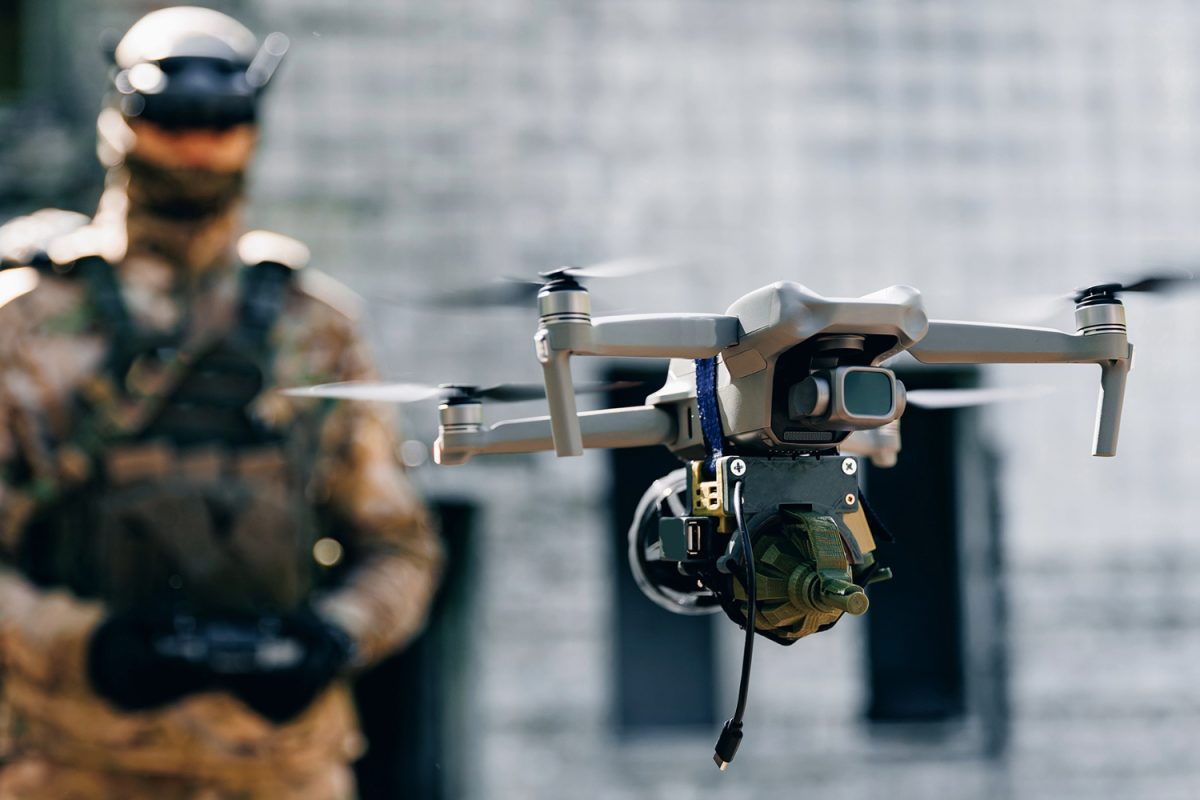
Defense Secretary Pete Hegseth said that the designation followed a breakdown in negotiations after Anthropic refused to allow unrestricted military use of Claude, including for surveillance and autonomous weapons-related applications.
While some criticized the decision as heavy-handed, others pointed to concerns about the limitations of current AI systems.
“This technology is not mature. It makes stuff up. It can do things that are not expected,” said Andrew Simpson*, a technology industry professional. “So I would err on the side of caution, and if they’re telling you this is not something our technology can do, you probably shouldn’t use it, at least not right now.”
Civil liberties advocates, however, see the move as part of a more troubling pattern. Organizations like the Electronic Frontier Foundation argue that government pressure on AI companies could cross constitutional lines.
“Requiring a company to rewrite its code to remove guardrails means compelling different expressions, a clear constitutional violation,” said Corynne McSherry, the legal director of the Electronic Frontier Foundation. “A growing body of social science research illustrates the chilling effects of these pervasive activities, and fearing retribution for unpopular views, dissenters stay silent.”
Anthropic has since filed a lawsuit challenging the Pentagon’s decision, arguing that the designation is unjustified and could set a precedent for government overreach into private AI development.
In its Statement on the comments from Secretary of War Pete Hegseth, Anthropic said that “no amount of intimidation or punishment will change our position on mass domestic surveillance or fully autonomous weapons.”
As the case moves through the courts, the outcome could shape how future conflicts between government agencies and AI developers are handled. For now, the dispute highlights growing tension between national security priorities and emerging technology.
“It’s worth going back in two months and seeing – was there anything here?” Schneier said. “Or was this typical? Everyone scrambles, and then everyone forgets about it.”
*This source’s name has been changed to protect their privacy in accordance with Carlmont Media’s Scot Scoop Anonymous Sourcing Policy.