
Teachers and staff in the West Contra Costa Unified School District (WCCUSD) began their strike on Dec. 4, 2025, after months of stalled negotiations between the district and the United Teachers of Richmond (UTR). The walkout marked the first teachers’ strike in the district’s 60-year history, involving more than 1,400 educators, including teachers, counselors, nurses, psychologists, and early childhood staff.
Contract talks had stretched on for much of the year, with unresolved disagreements over wages, healthcare costs, and staffing conditions. As negotiations failed to produce an agreement, educators voted to strike, citing concerns about educator retention and classroom stability
“We’ve had around 1500 teachers leave our district over the last five years. We really need to be able to keep teachers here and attract new ones,” said Gabrielle Micheletti, the vice president and co-bargaining chair for the UTR.
The strike lasted four days, ending on Dec. 10, 2025, when negotiators reached a tentative agreement following an overnight bargaining session that lasted more than 12 hours. Educators returned to classrooms the following school day while union members prepared to vote on the agreement.
The tentative contract includes salary increases totaling approximately 8% over a two-year period, expanded district-paid healthcare coverage, and retention and recruitment incentives aimed at addressing staffing shortages. While the agreement ended the walkout, union leaders emphasized that long-term stability would depend on how effectively the provisions are implemented.
During the strike, regular classroom instruction was paused across the district, affecting thousands of students. Community organizations and city programs stepped in to provide alternate supervision, meals, and activities for families while schools remained closed.
“In my experience, most of the community really wants these changes too because they want to know their kids are going to have a teacher,” Micheletti said.
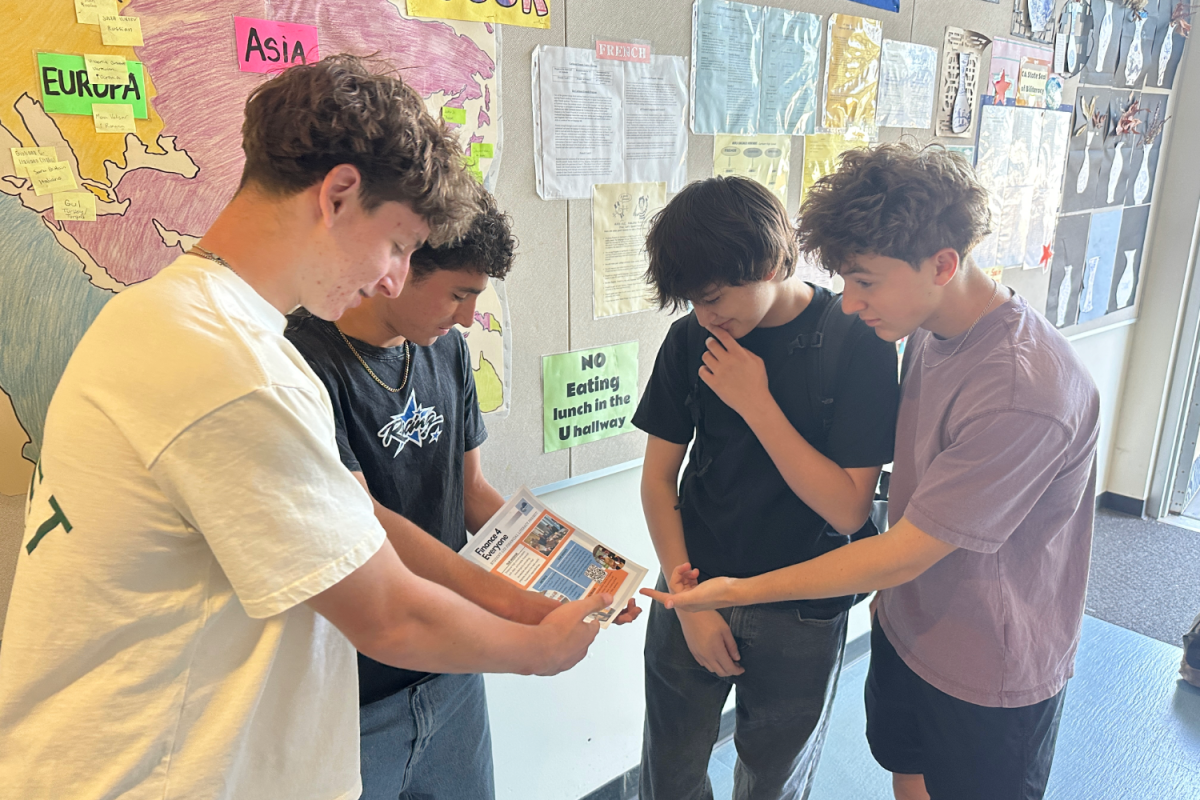
The strike further sparked conversations among students around the Bay Area about the value of educators and the conditions in which they work. For some, it was their first exposure to a labor action involving teachers, prompting discussions in classrooms and at home about workers’ rights, funding priorities, and how decisions made at the district level can shape students’ educational experiences.
“A teacher can have a great impact on who students are, what they think, and how they feel about themselves. The fact that they’re this influential means that we should start valuing them more as pillars of the community,” said Matthew Edwards, a sophomore at Carlmont High School.
In the Bay Area, where the cost of living is among the highest in the nation, students are especially aware of how economic pressures affect their schools. Rising housing costs and staffing shortages have already contributed to teacher turnover across multiple districts, and disruptions like the strike underscore concerns about long-term stability in classrooms.
“The students that the teachers are teaching are probably behind. There’s not much for them to do if their teachers aren’t there,” said Graham Sargeant, a sophomore at Carlmont High School.
Although the strike has ended, the issues that led to it remain part of a broader conversation about public education in California. Rising living costs, staffing shortages, and competition with higher-paying jobs in the private sector continue to pressure local school districts.
For WCCUSD, the agreement represents both a resolution and a test. Whether the district can retain educators and rebuild trust following the strike may shape labor negotiations in other districts considering similar actions. As schools resume normal operations, students and teachers alike are adjusting to a classroom environment shaped by one of the most significant labor actions in the district’s history.
“We’re hoping that in the future, the district will take us more seriously at negotiations and engage in the process earlier,” Micheletti said.