
Three years after a shooting that killed seven farmworkers, Half Moon Bay officials and nonprofit organizations are continuing to pursue higher standards of living conditions for agricultural workers along the coast.
The shooting occurred across two mushroom farms in Half Moon Bay on Jan. 23, 2023, and was carried out by a 67-year-old former resident. The incident provoked public outcry after cramped, crowded living conditions of the farmworkers were exposed, with farmworkers living in shipping containers, trailers, and moldy greenhouses.
“A supervisor had taken photos of the living conditions and posted them on social media. And it just went wild. The community folks who lived here for generations were shocked,” said Sandra Sencion, the director of the farmworker program at Ayudando Latinos a Soñar (ALAS).
The high cost of living and low-paying jobs contribute to deplorable living conditions in the farmworker community.
With the average pay of a farmworker being $18.50 per hour, according to ZipRecruiter, farmworkers are forced to find a cheap place to live, even if it neglects their own needs. This often culminates in renting small, rundown places to live.
“It’s really expensive to rent out even one bedroom,” said Ann Lopez, the executive director of the Center for Farmworker Families. “I recall one woman who had a 3-year-old child. She rented the dining room of a house.”
Since the shooting, nonprofits and agencies have pushed to create more affordable housing, such as Stone Pine Cove, a site in Half Moon Bay with 47 new affordable homes. According to Sencion, ALAS also plans to create 40 new affordable homes for farmworkers.
Many new measures to protect farmworkers have also been implemented, such as the creation of San Mateo County’s Farmworker Advisory Commission, which aims to consult government agencies through direct citizen participation to help meet the needs of farmworkers.
“There’s been a big push to empower people to show up to these meetings,” Sencion said. “To guide them every step of the way and be able to say, ‘Hey, it’s important to tell your story because these decisions are being made that ultimately are going to impact you.'”
The Center for Farmworker Families also provides essential services for farmworkers who may otherwise struggle to afford them.
“We have a monthly distribution of food, household goods, clothes, toys, all kinds of things that farmworkers would need,” Lopez said.
Many students understand the importance of ensuring farmworkers have proper housing and basic services.
“If they don’t have good conditions, then it’ll just be harder for them to work such long hours to get us food,” said Miriam Kurtic, a Carlmont sophomore.
In light of these struggles, nonprofits also host community-building events to inspire, provide hope, and offer a support system for farmworkers.
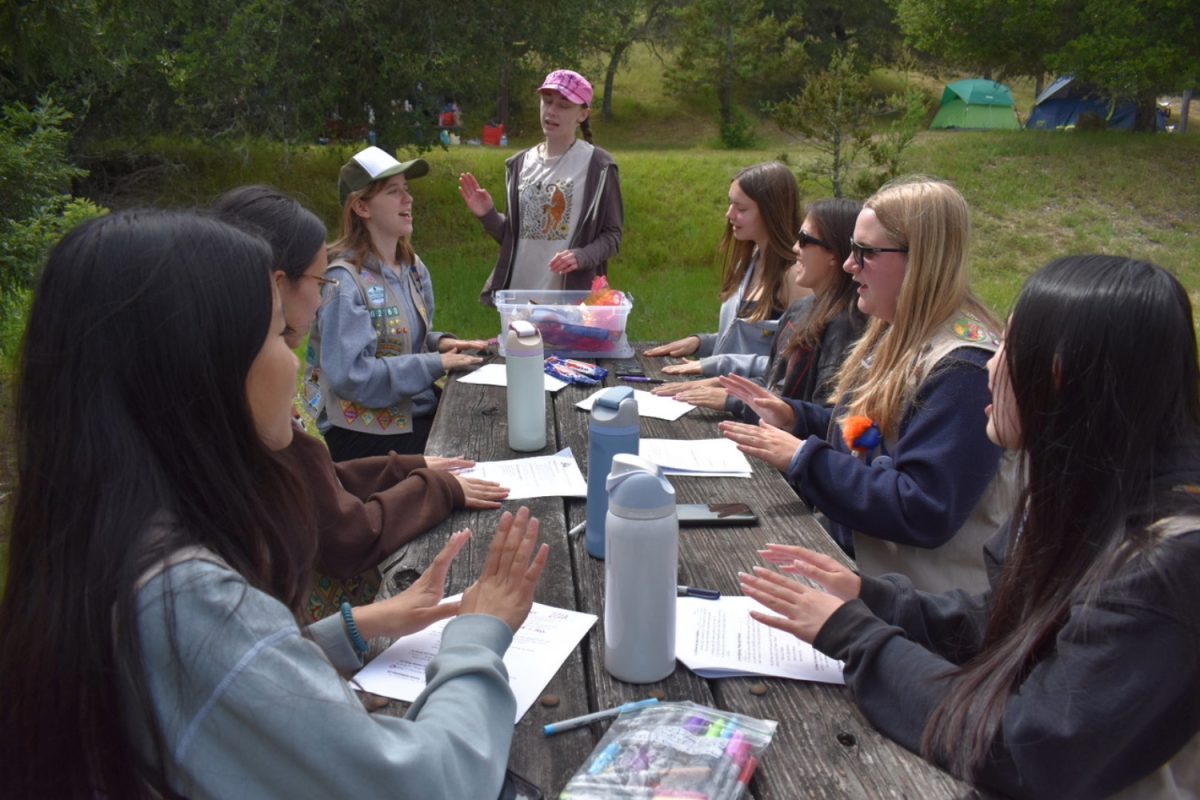
“Through our cultural arts program, we have a mariachi and dancing program, which is how we started. We build community through those programs and communicate,” Sencion said.
Sencion believes that this cultural community-building is essential to uplifting the farmworker community.
“It’s amazing to see our culture as a connector instead of a deficit. It’s really allowed our Latino community to come together, and our allies right now have grown quite a bit to be able to learn from each other and learn from our cultures,” Sencion said.
Sencion urges people to embrace farmworkers as part of their communities and support them in gaining secure housing.
“They’re humans, just like you and me, and equally as part of our community. Everybody is deserving of housing,” Sencion said.