The Federal Aviation Administration (FAA) has ordered airlines to cut domestic flights at 40 major U.S. airports, following safety concerns caused by a growing shortage of air traffic controllers due to the government shutdown.
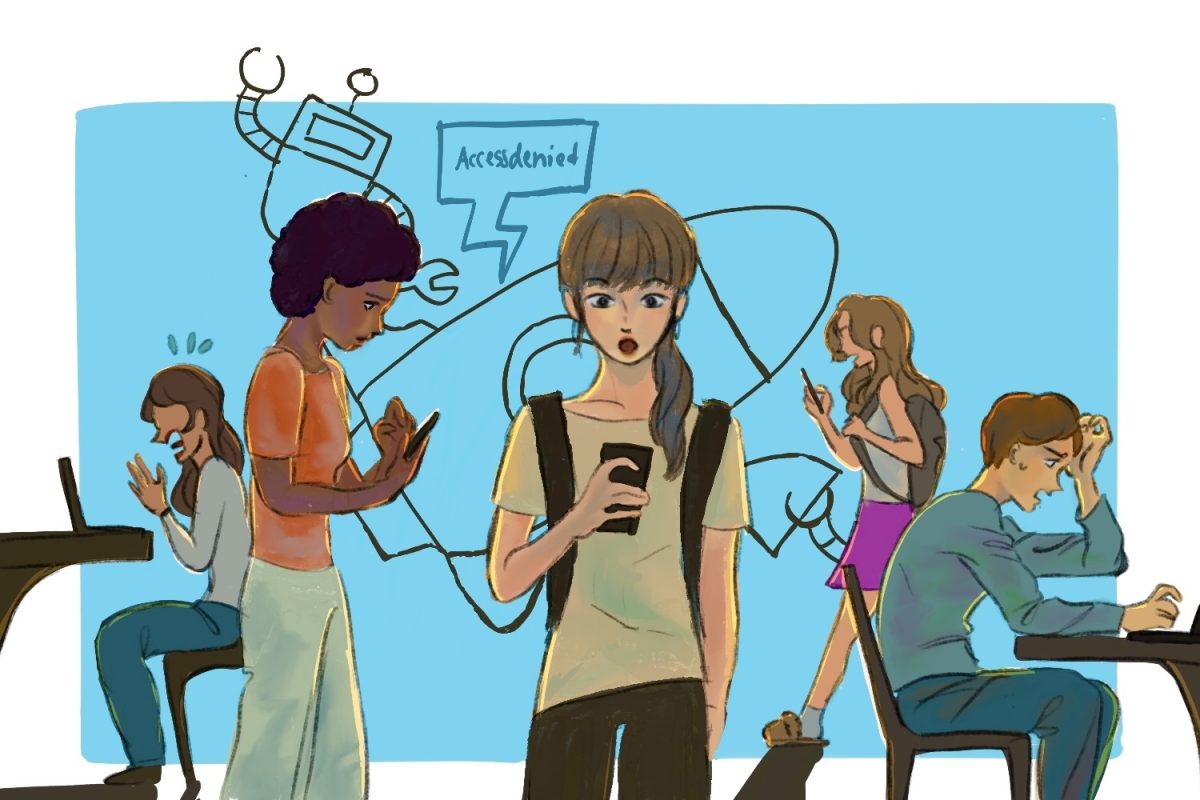
Since the shutdown began on Oct. 1, air traffic controllers, classified as essential workers, continued working without pay. The ongoing shutdown resulted in a rise in staffing shortages, prompting the FAA to mandate flight reductions at 40 high-traffic airports as a proactive safety measure.
The cuts started at 4% on Nov. 7 and increased to 6% on Nov. 11. After the shutdown ended, cuts were reduced to 3% on Nov. 15 as staffing gradually improved. Airlines were prepared for cuts as high as 10% when the emergency order was first issued.
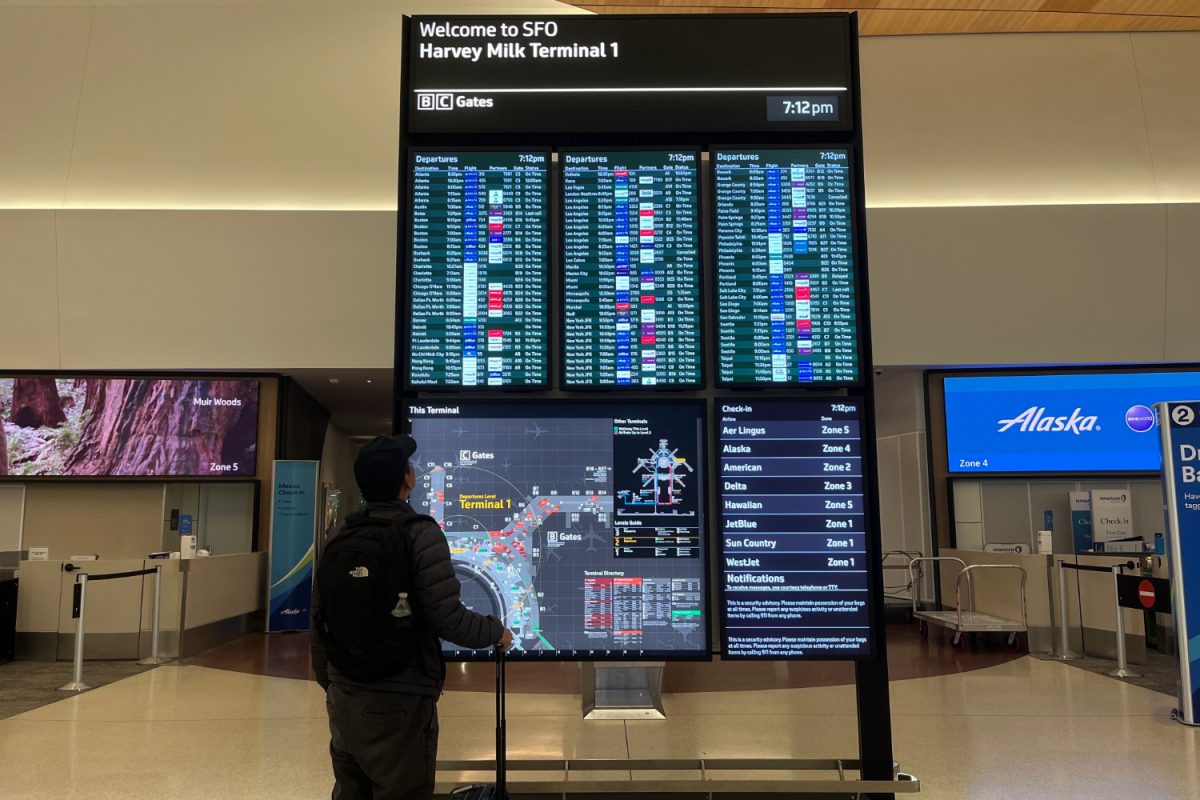
Bay Area airports affected by the mandate include San Francisco International Airport (SFO) and Oakland International Airport (OAK). San Jose Mineta International Airport (SJC) is excluded. International flights remain unaffected, and airlines have the decision on which flights to cancel.
From Nov. 7 to Nov. 12, more than 10,000 flights were canceled and more than 37,000 were delayed according to flight-tracking website FlightAware. SFO accounted for nearly 300 cancellations and 1,300 delays, which is roughly 3% of nationwide totals, while OAK contributed to less than 1%.
“Over the last three days, we have had significant staffing shortages with our air traffic controllers. Saturday, Sunday, and Monday were very rough travel days, with significant cancellations and significant delays,” said U.S. Transportation Secretary Sean Duffy in a press conference on Nov. 11 by the Department of Transportation.
While federal officials pointed to staffing issues, some people connected the delays to broader political tensions.
“I heard it was due to the government shutdown leaving many airport staff without pay. I think it’s unfortunate, but I understand why a lot of the staff wouldn’t go to work. It’s not fair for them to work without pay,” said junior Dakota Chang.
Some Bay Area travelers are choosing to postpone their Thanksgiving trips due to the uncertainty around flight schedules.
“My parents want to stay home this year. They read the news, and they’re paranoid about their flights being cancelled and delayed,” said sophomore Alex Lam. Lam normally travels with his family during Thanksgiving but plans to fly during winter break instead.
Others are continuing with their travel plans even though travel disruptions are still ongoing.
“There is a concern because of the shutdown and how long it will take flights to resume and get back to the normal pacing and scheduling,” said Barbara Hendricks, a Bay Area resident who normally stays local during Thanksgiving but is flying this year for a birthday celebration.
For travelers connecting through major hubs, the cuts pose additional challenges.
“It’s particularly worrisome that we have to make a stop in Dallas-Fort Worth and change planes. That’s a busy hub city,” Hendricks said.
Hendricks will fly to Memphis International Airport after connecting at Dallas-Fort Worth International Airport, both of which are major airports affected by the reductions.
The previous government shutdown, which lasted 35 days from late 2018 to early 2019, similarly caused widespread flight disruptions due to shortages of Transportation Security Administration (TSA) agents and air traffic controllers. Escalating travel disruptions and public pressure ultimately led to a deal between President Trump and congressional leaders to reopen the government.
President Trump signed a funding bill into law on Nov. 12, officially ending the 43-day shutdown, the longest in U.S. history. Federal employees were instructed to return to work the following day. As staffing levels improve with air traffic controllers gradually returning to work, the FAA has started to adjust the scale of flight reductions.
However, whether staffing levels can fully recover before Thanksgiving, one of the busiest travel periods of the year, remains uncertain.
“We used to have four air traffic controllers retire every day. We now have 15 to 20 retire in a day. We are going to be stuck dealing with this problem where we are about 2,000 controllers short,” Duffy said. “As we come into Thanksgiving, this is the Super Bowl of air traffic controlling. It’s a massive movement of Americans, and again, this shutdown is going to get us to a place where we can get controllers back in our facilities controlling the airspace.”
Though the government shutdown has officially ended, its complications still linger. It will take time for the aviation system to restore flight volumes and schedules.
“The government shutdown is affecting people that want to travel, with delays in flights and probably a higher cost of tickets because there are fewer flights,” Lam said.