
The San Francisco Unified School District (SFUSD) recently reopened schools following the first strike by the United Educators of San Francisco (UESF) in 47 years.
The strike occurred after contract negotiations between the district and the union broke down over issues including educator pay and staffing conditions. Schools in the district were closed from Feb. 9 to Feb. 13, according to messages posted by SFUSD’s superintendent, Maria Su.
After five days on strike, the UESF reached a tentative agreement with the SFUSD.
“This agreement enhances our efforts to recruit and attract talented educators to work in San Francisco public schools and reflects our commitment to invest in educators,” Su said in a press release.
While district leaders emphasized the agreement as a step forward, the strike also had a direct impact on students and families across San Francisco.
Norah Weiner is a high school student at Lowell High School in San Francisco. She was told about the strike on Thursday, Feb. 5, the week before it happened. Regarding her academic standing, she said the strike prevented her teacher from updating her grade.
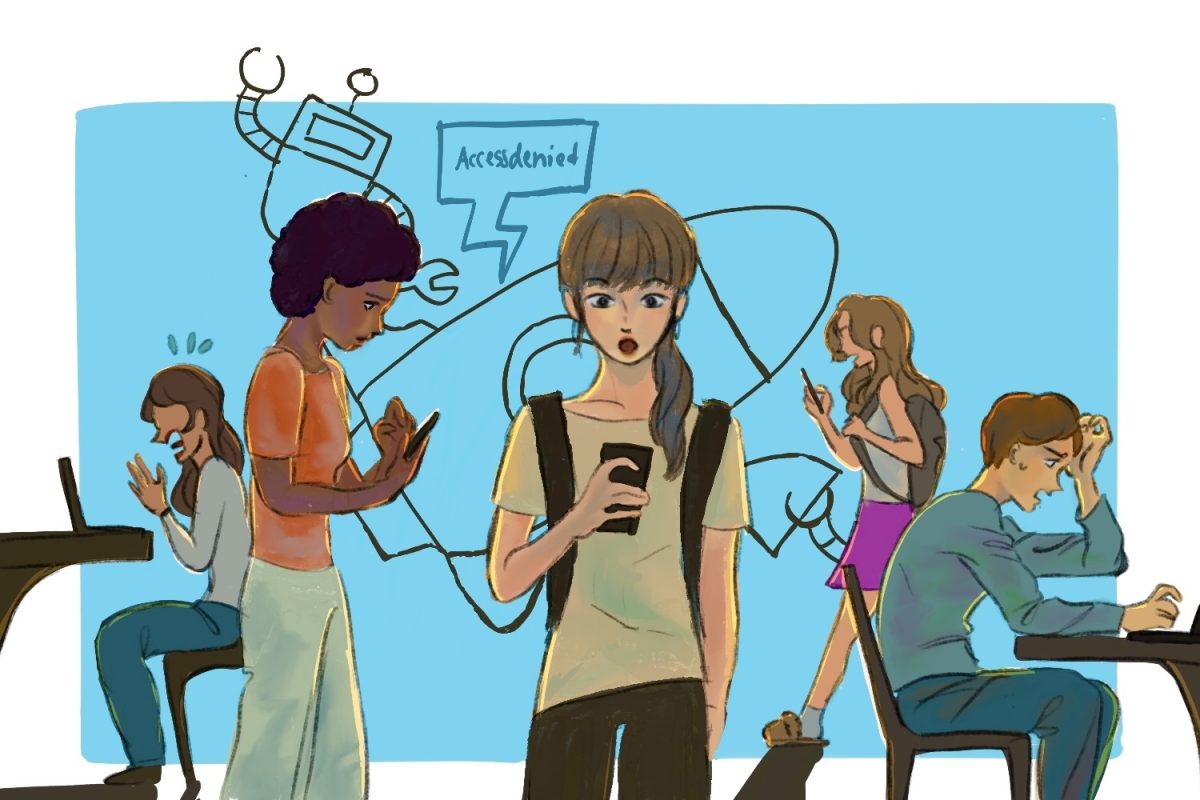
“I did a makeup assignment, and he was supposed to grade it the week of the strike, but he couldn’t do that because they’re not allowed to access grades during the strike,” Weiner said.
However, she still understood that this strike was important.
“I think the teachers’ concerns were justified. I did some research, and they were not being paid enough,” Weiner said.
Parents seem to share the perspective that the strike, while slightly disruptive, was ultimately for the greater good. Christine Omata, whose 10-year-old daughter attends Rooftop School, said her family had to adjust work schedules during the week the schools were closed.
“My husband and I had to coordinate who could work from home,” Omata said. She added that her daughter’s academic experience was largely unaffected due to her age, though she noted that older students likely faced greater challenges.
“I think it was helpful for the teachers to actually have the district taking action on what they were asking for, and to be able to come to a somewhat reasonable agreement,” Omata said.
SFUSD is not the only school district facing strikes and negotiations about better rights for teachers. In early December 2025, the West Contra Costa Unified School District (WCCUSD) went on strike, and now, the Oakland Education Association is also preparing to take similar action, according to CBS News. This highlights a growing wave of labor activity across Bay Area schools.
Teachers say that, as a whole, unions play a critical role in protecting educators and, by extension, supporting students.
Emily van Sebille, an English and Advanced Placement (AP) Seminar teacher at Carlmont High School, explains that unions are responsible for many things.
“Teachers’ unions are meant to protect and provide guidance and expectations, and understanding for all teachers within the district,” van Sebille said. “They are able to negotiate for everyone’s salary. They also negotiate for benefits, and they act as a liaison between the administration and the teachers.”
Looking ahead, the UESF plans to hold a vote to finalize the tentative agreement and conclude negotiations.
“Our shared goal has always been to support students by supporting the adults who care for them. This agreement represents compromise, collaboration, and care for the entire SFUSD community,” Su said.