A powerful snowstorm in the Lake Tahoe region brought favorable snow conditions for some and deadly hazards for others, underscoring an increasingly irregular weather pattern in the area.
The storm, which dropped as much as 10 feet of snow in parts of the Tahoe area over five days in mid-February, marked one of the snowiest periods in over 40 years, according to snowfall totals from the University of California (UC) Berkeley’s Central Sierra Snow Laboratory.
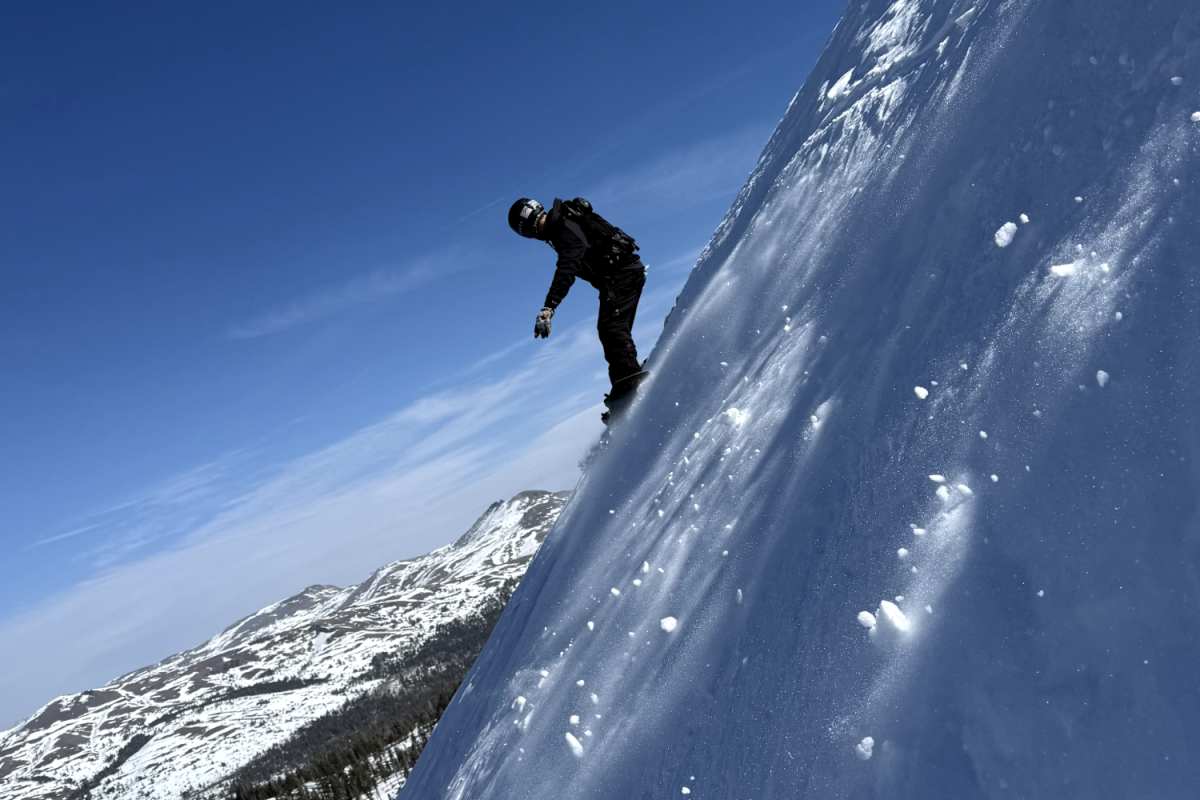
Resorts such as Palisades Tahoe and Sugar Bowl reported totals exceeding 100 inches, drawing the attention of local ski and snowboard enthusiasts who experienced a relatively disappointing start to their season.
In the weeks prior to the new snow, deteriorating conditions were noticed equally by both visitors and employees, such as Kirkwood Ski Resort lift operator Gabi Pena.
“It has not snowed since I’ve been here. You could dig holes and see dirt a few inches down,” Pena said.
For visitors of all levels, this exact problem became increasingly apparent throughout the 2026 season.
“I feel it’s a little icy, but it’s my first time, so I can’t really tell,” said rookie snowboarder Jiunjie Chiou.
For this reason, the onslaught of new snow offered terrain conditions that have been eagerly sought after by recreational skiers and snowboarders. The unusual combination of deep, powdery snow on top of older, harder layers, however, has created deceivingly hazardous conditions in the wake of the storm.
The storm also had a tragic aftermath: a massive avalanche near Castle Peak killed nine backcountry skiers and injured others on Feb. 17. The victims, who had experienced the most deadly avalanche in the United States in decades, were part of a guided trip when the avalanche struck. Despite poor visibility, officials in Nevada County recovered all nine bodies in the days following the avalanche, according to the San Francisco Standard.
Zoe Dixon, a longtime skier and snowboarder as well as a sophomore at Carlmont High School, felt uneasy about the constantly shifting conditions and overall safety on the mountain.
“I went up, took one run, and went back down because it was so bad,” Dixon said.
Even as ski resorts and locals celebrate the long-awaited new snow, conditions remain unstable. Recently, forecasts of warm rain have raised the risk of additional avalanches and dramatically lowered the snow quality for riders.
That erratic combination of heavy snow and warm, wet conditions reflects a noticeable pattern of weather irregularities this season.
“It was a big mix of horrible conditions because the visibility was bad, it was windy, and every so often I hit a big thing of powder and just sink and have to dig myself out,” Dixon said.
After weeks of mild, dry weather, the sudden onslaught of snow adds to a broader pattern that is predicted to increasingly pose challenges for mountain safety. For local businesses dependent on winter tourism, the road closures, avalanche hazards, and unpredictable storms make operations difficult.
In light of the significant hazards faced by skiers and snowboarders of all skill sets, authorities continue to urge caution as unstable snow conditions persist.
“Go with a partner and keep them in sight,” Dixon said.