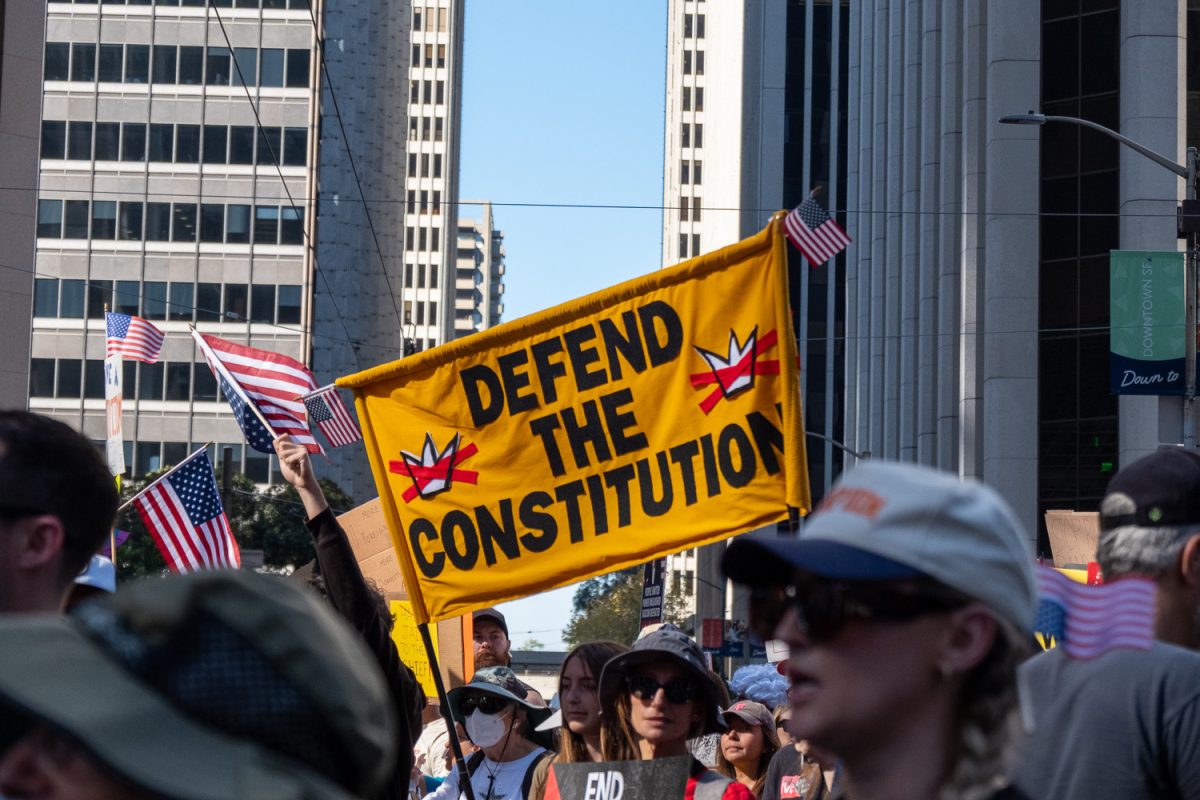

The proposed Safeguard American Voter Eligibility (SAVE) Act recently stalled in the Senate after passing in the House of Representatives, as many lawmakers continue to debate the necessity and potential consequences of requiring proof of citizenship.
The legislation, introduced in part as a response to now disproven claims of election fraud by President Donald Trump and his supporters, would require all voters to present a valid form of identification when registering. If enacted, it would require all voters to prove their U.S. citizenship with documentation such as a birth certificate, passport, or other approved government-issued record.
The bill was introduced by Texas Republican Sen. John Cornyn, Utah Republican Sen. Mike Lee, and Texas Republican Rep. Chip Roy, and it is intended to amend the National Voter Registration Act of 1993.
Since passing in the House in 2025, it has been at the center of discussion in the Senate, where some Republican senators, including Sen. Lisa Murkowski, have opposed the bill. If passed in the Senate, it is expected that Trump will sign it into law.
“The President is calling on Republicans and Democrats to pass the SAVE Act. Requirement for Voter ID to vote should be something that no American should oppose. If you want to register to vote in the United States, you have to be a citizen in the United States,” the White House said in a statement about the act.
According to the Center for American Progress, when someone updates their voter registration, including information like their address or political party, they would be required to provide these documents.
While most states already have voter registration laws requiring verification, others use alternative methods. This law adds an extra layer of surety, which many have considered burdensome.
“This act is to give the security and peace of mind knowing that everyone who voted was a citizen and there’s no funny business going on,” said Sean McAndrews, an aide for Roy.
According to the Campaign Legal Center, in 2022, more than 7 million Americans registered to vote by mail, and an additional 11 million Americans registered to vote online. This bill would require changes to the registration and, therefore, the registration for mail-in and online voting.
“There is a lot of complication that this bill creates for so many people, when this has been a disproven theory. There are not masses of non-citizens committing voting fraud, and I think it just makes people’s lives more difficult,” said Chloe Ken, a junior at Carlmont who describes herself as left-leaning.
Where online and mail-in ballots were dominated by Democrats in recent elections, some critics say conservative lawmakers are including provisions in the bill intended to make it more difficult for Democratic voters to have their voices heard.
Some left-leaning or Democratic identifiers have been alarmed by the bill’s implications.
“Your voice counts, especially if you live in a swing state. Not being able to vote would not allow my opinion to be heard where it could actually change something,” said Miriam Kurtic, a Carlmont sophomore who identifies as liberal.
Many have expressed concern, including The 19th News, which says the bill targets demographics that tend to be more left-leaning.
For instance, women who change their name after marriage do not have the same name as on their birth certificate. A greater number of women vote Democratic than Republican, according to a Pew Research Center study.
While the numbers may appear to be marginal, even the smallest number of voters can swing a state or an election, according to USA Facts.
After the 2020 election, many prominent Republicans, led by Trump, raised claims of election fraud that were later disproven. They began to claim that illegal immigrants or non-citizens had stolen the election and voted, ultimately causing his loss.
In response, Roy introduced the bill to combat these concerns.
“You have to prove citizenship in order to register to vote, and that is helping ensure that all people who are voting and casting ballots are 100% citizens,” McAndrews said.
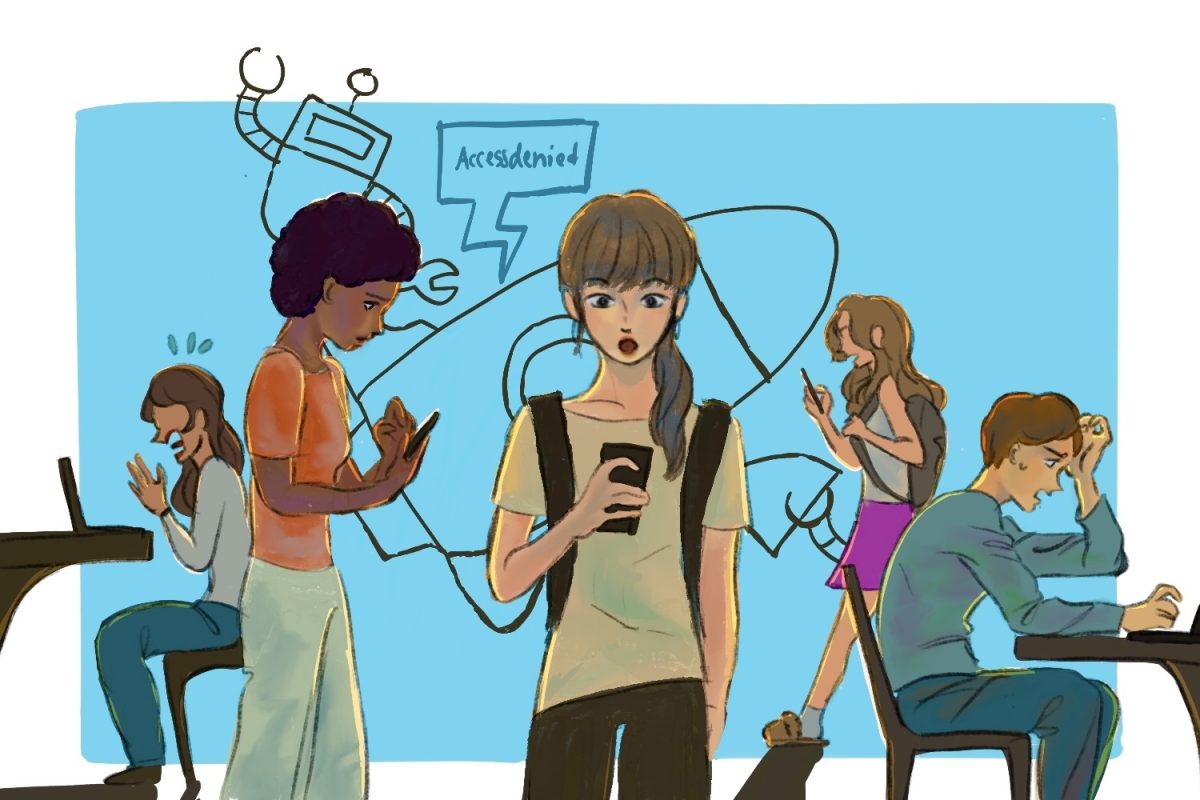
Many have voiced their concern about the bill, however. Concerns about how additional documentation could affect voter participation, especially with those who do not have the means to obtain a passport, have lost their birth certificates, or have had a name change, have become a topic of debate.
“I think it is definitely concerning for many groups. Even if I am not voting for another year, I think it is important to recognize that it could curb some election results. The political reasoning behind it may also be for the wrong reasons,” Ken said.
Even for those who do have the means to get their papers, some express concern for younger voters who may not be in possession of their papers. Where many college students leave important documents like their birth certificates with their parents, they are separated from a form of identification that the government is seeking with this act.
“I don’t have access to my own birth certificate, and I think most teenagers also do not. Most parents keep their kids’ birth certificates, which is fine, but if you are a teenager going to vote, it can be an issue,” Ken said.
Despite these concerns, many debate over the bill remains ongoing, especially in circumstances as large as federal elections.
“I think in places where elections are swayed so easily, making it harder for someone to vote is not necessarily the best thing,” Kurtic said.