On March 30, the Selective Service System (SSS) proposed a rule that would implement automatic registration for eligible 18-year-old men beginning in December 2026, as outlined in the 2026 National Defense Authorization Act.
This marks a shift from the previous policy, which mandated Selective Service registration but required it to be done individually. The agency is responsible for creating the draft pool in the event of a national emergency.
This new policy would not constitute an official draft; the last draft in the U.S. was in 1973, during the Vietnam War, and no new movement for a draft is currently underway.
“The law has required men to register for Selective Service for generations,” said Carlmont history teacher Jarrod Harrison. “I had to register and keep my information up to date since I turned 18, and I had to use the mail to do it. I see this as a way to be more efficient in keeping records up to date using technology.”
Beginning in December, the agency will automatically register all eligible men within 30 days of their 18th birthday. This includes citizens, immigrants, undocumented immigrants, dual citizens, and green card holders. This change will affect most male students who turn 18 in 2026.
Although this decision will explicitly affect the country in the coming years, many Americans are unaware of the draft process, according to the Pew Research Center. Additionally, a study by the National Commission on Military, National, and Public Service found that many Americans are unaware that women are not required or permitted to register with the Selective Service, and some question the reasoning for this regulation.
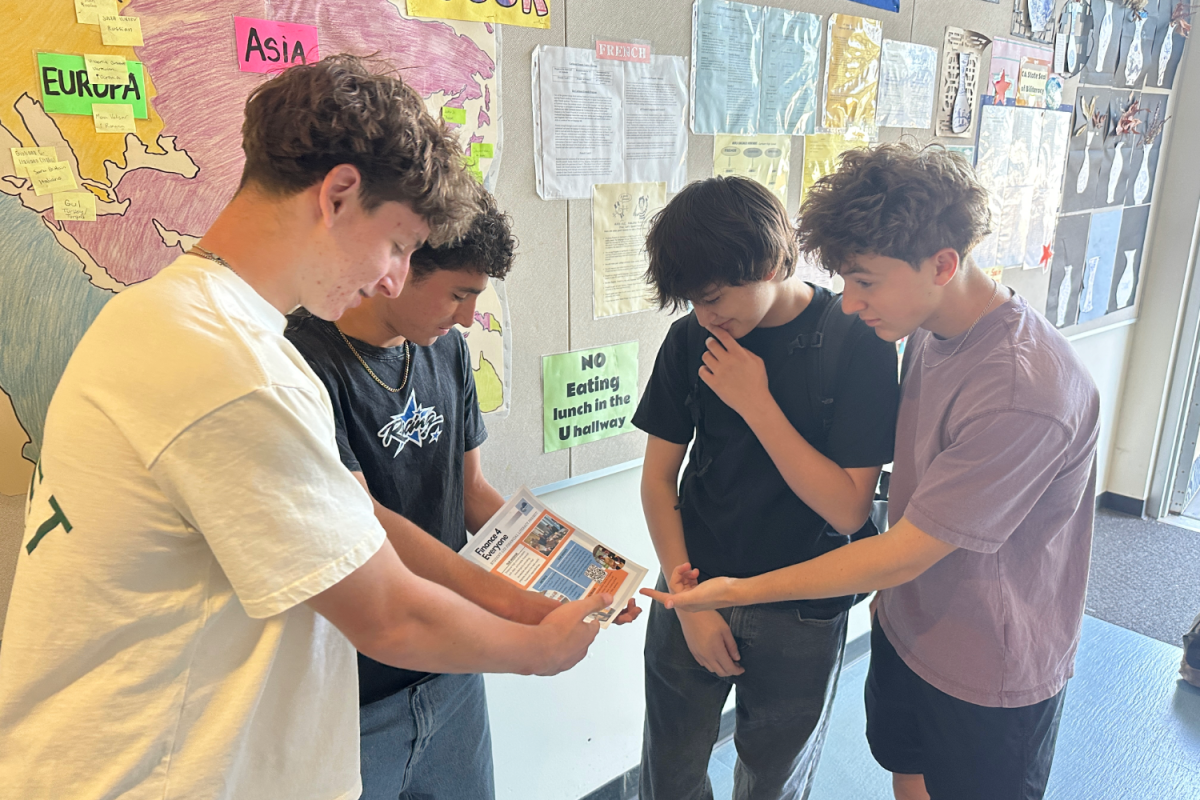
“I wasn’t aware that automatic registration would be happening,” said Carlmont sophomore Shayan Newell. “I think this might upset people because they like to do things voluntarily, not by being forced.”
Others in the teenage demographic are similarly unaware of their role when it comes to the agency and the potential implications this may have for their lives if a crisis were to occur in the country.
“I think that this could impact my community because if a draft were to be instituted in the U.S., it could affect people that I consider to be close friends, and I think that’s detrimental,” said Carlmont senior Felix McCulloh.
According to Harrison, these concerns are shared by many, especially considering the current conflict in the Middle East. Although no formal plans are in place to reinstate a draft, the topic is still sensitive in the United States.
“At the end of the Cold War and the advent of the First Persian Gulf War, there were fears of another draft. I recall people protesting while I was in community college. Public opinion seems to be against involuntary conscription,” Harrison said. “We are a very diverse and opinionated society.”